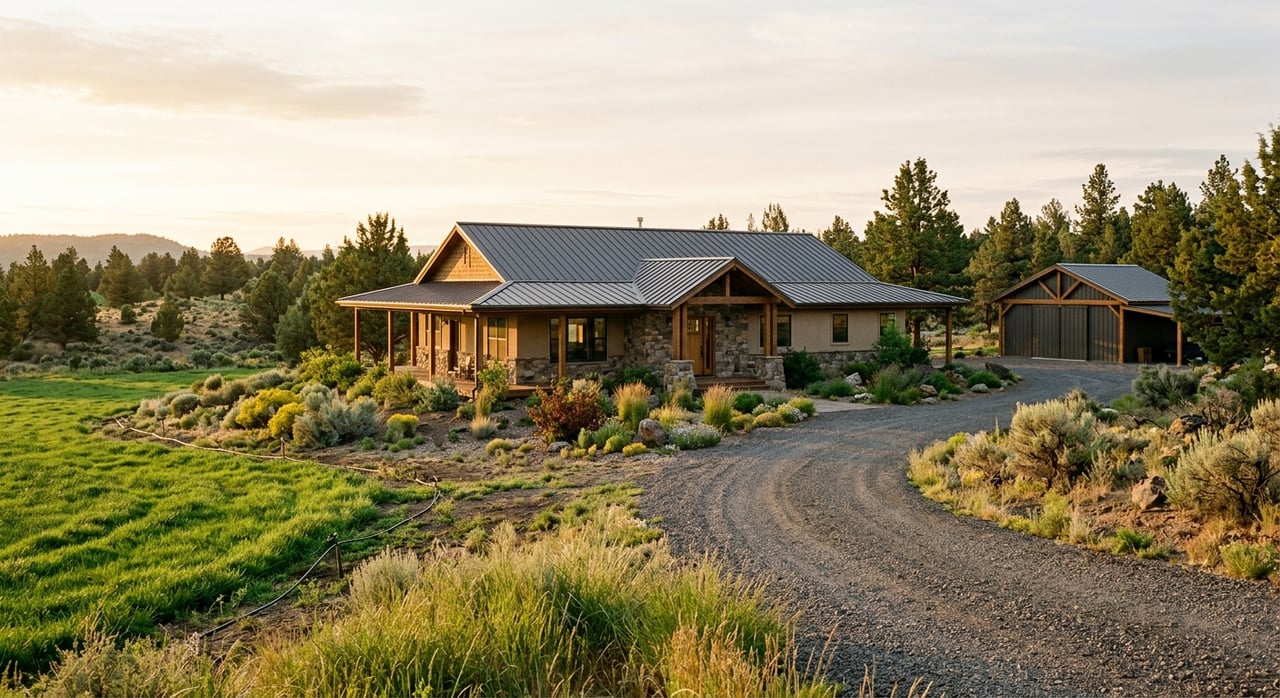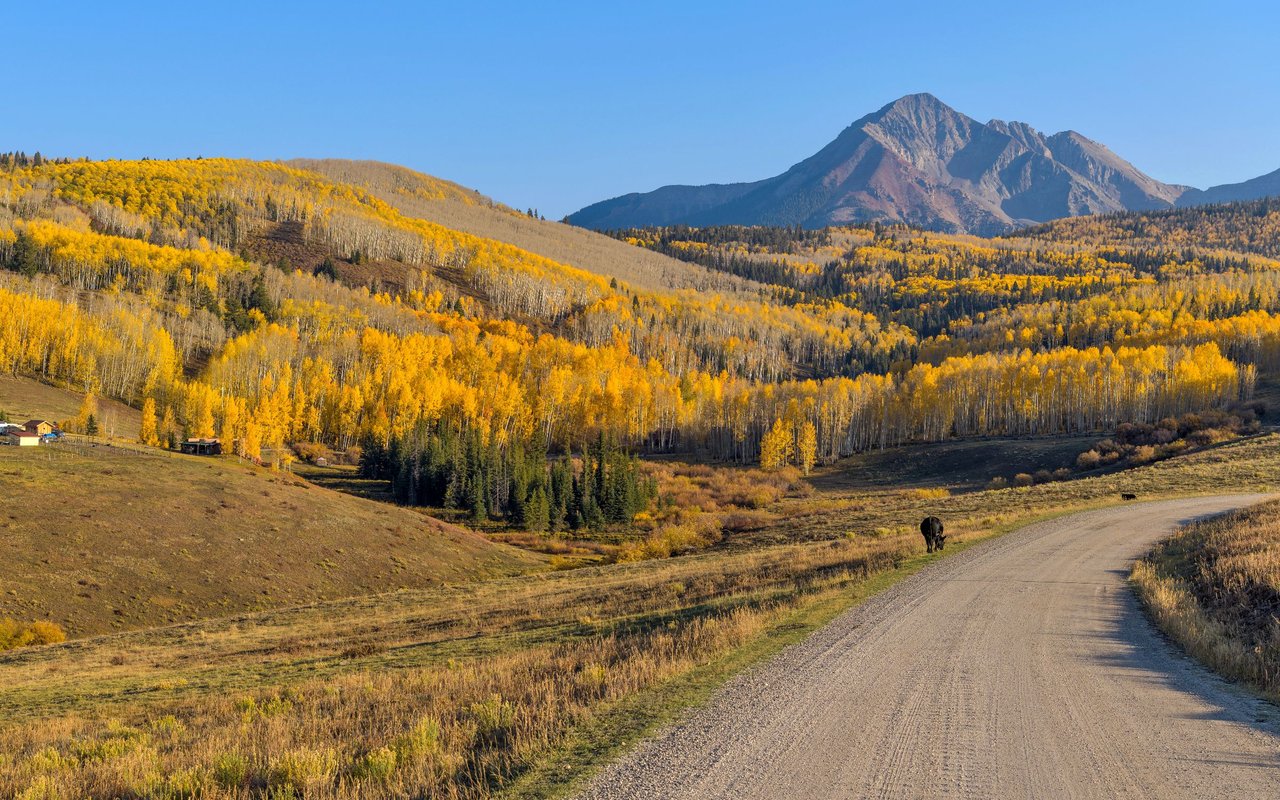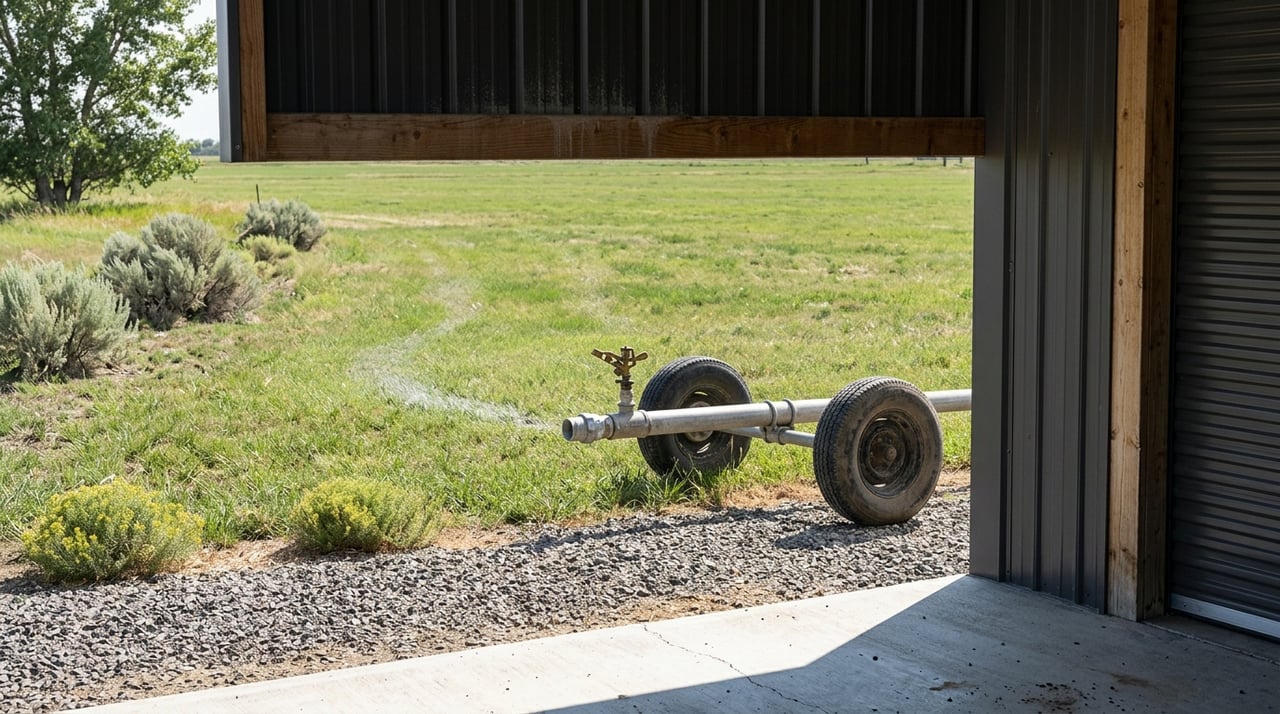
Looking at a small ranch property around Mack and wondering if the land will actually work for the life you want? That is the right question to ask. In a dry part of Mesa County, a property’s value is about much more than acreage on paper. You need to know how the ground lays, how water reaches it, and whether the setup supports animals, access, and everyday rural living. This guide will help you focus on the details that matter most so you can evaluate Mack-area ranch properties with more confidence. Let’s dive in.
Start With Usable Ground
In Mack, not all acreage functions the same way. Mesa County describes a mix of deep, well-drained soils in valley bottoms and floodplains, along with shallower, stony soils on hillsides and terraces. USDA also describes the Mack soil series as very deep and well drained, with use for native pasture and irrigated cropland.
For most small ranch buyers, the most practical ground is usually the flatter, irrigable portion of the property. That is the area more likely to support pasture, horses, or light ranch use. Steeper or rockier edges may still add value, but they often work better as buffer ground or low-intensity space rather than core livestock acreage.
Check the Layout, Not Just the Acre Count
A five-acre property can be more useful than a larger parcel if the land is set up well. You want enough level ground for the uses you have in mind, whether that means a barn, corrals, turnouts, hay storage, or trailer movement.
As you walk the property, pay attention to how the ground sheds water. Mesa County notes that drainage can be a concern in the Mack planning area because of the surrounding basins and local soil conditions. Low spots that stay muddy after irrigation or storms can create daily headaches for both livestock and maintenance.
Dry Climate Changes the Equation
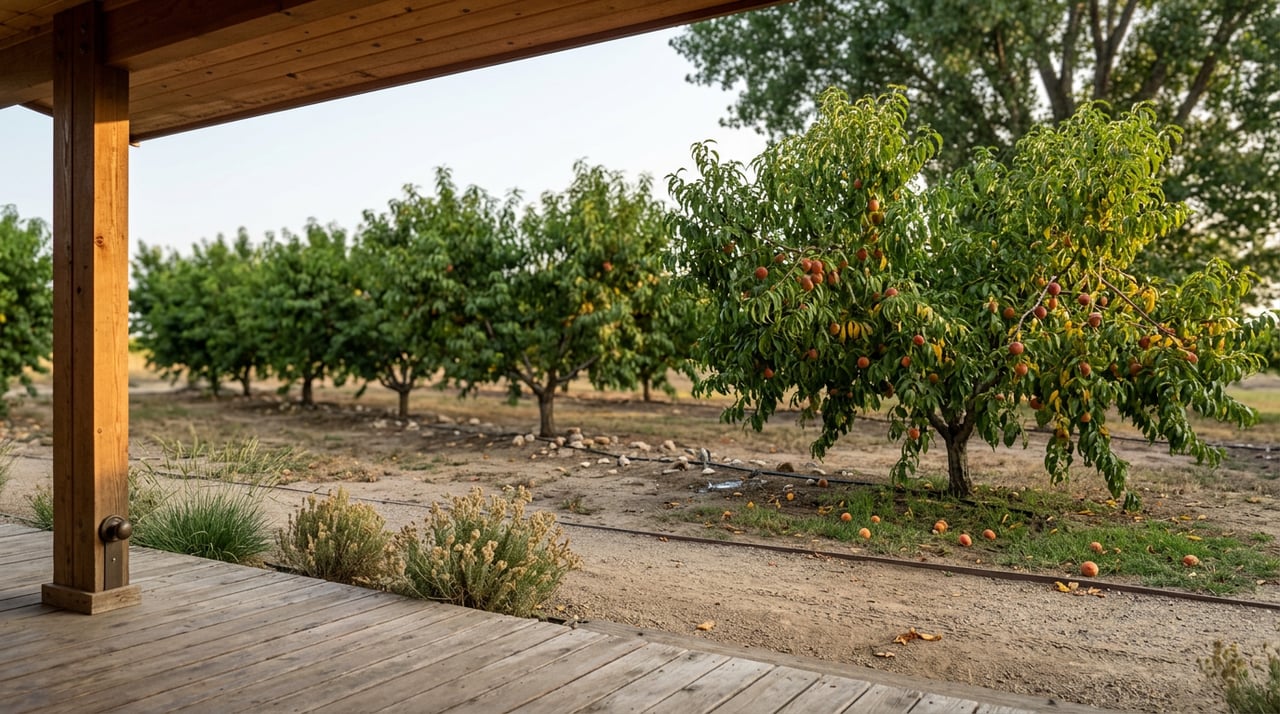
Mack is dry country. The area receives about nine inches of rain per year, and the Mack soil series lists mean annual precipitation at about 203 mm.
That means pasture quality depends heavily on irrigation, soil depth, and drainage. A parcel may look spacious, but without the right water and ground conditions, the land may not perform the way you expect.
Water Matters as Much as Land
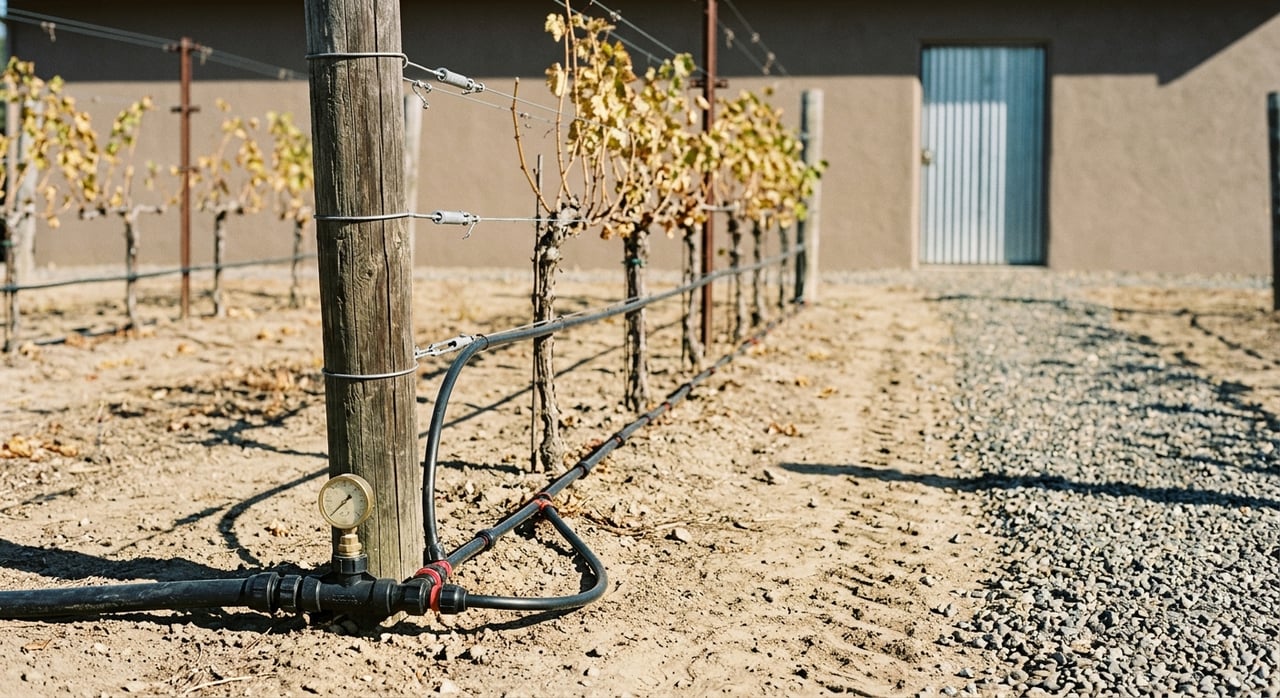
If you are buying a small ranch around Mack, water deserves close attention early in the process. In Colorado, water follows the prior appropriation system, often described as first in time, first in right. For a buyer, that means the legal right to use water can matter just as much as the ditch, canal, or pipe you see on site.
Mesa County code also states that new development must use irrigation water for irrigation purposes wherever irrigation water is physically and legally available, rather than potable domestic water. That makes it especially important to understand what type of water service a property has and what rights come with it.
Confirm Irrigation Rights and Delivery
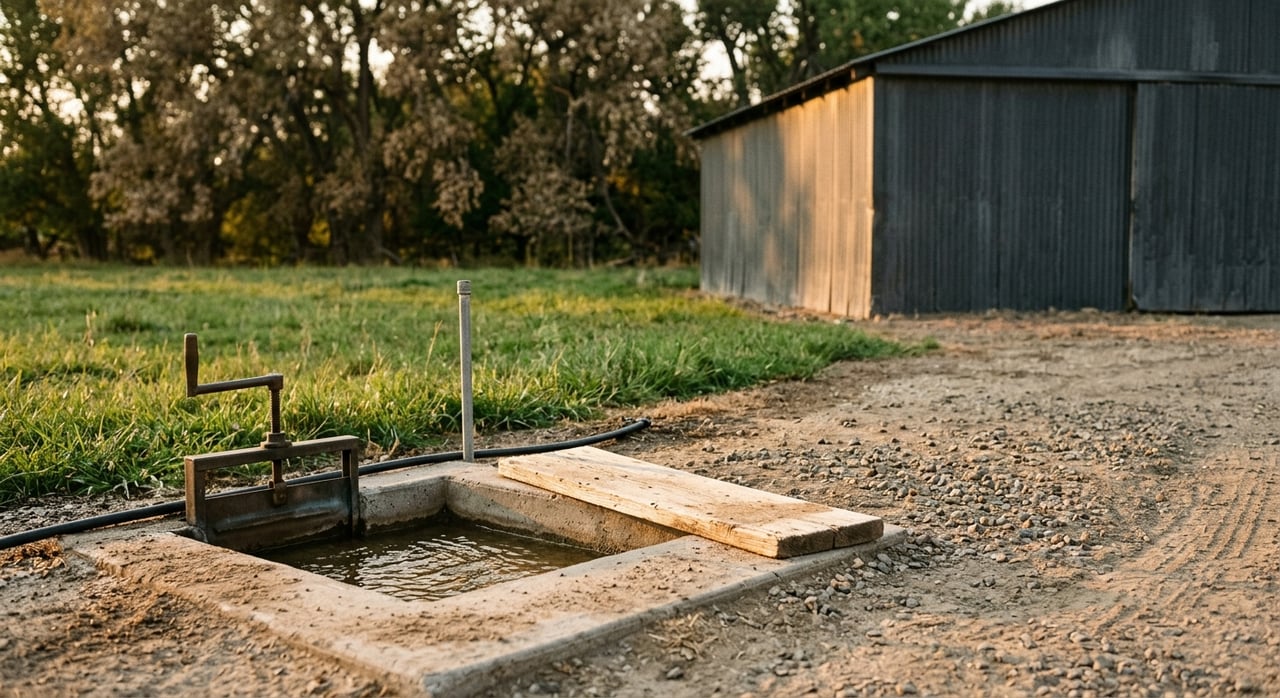
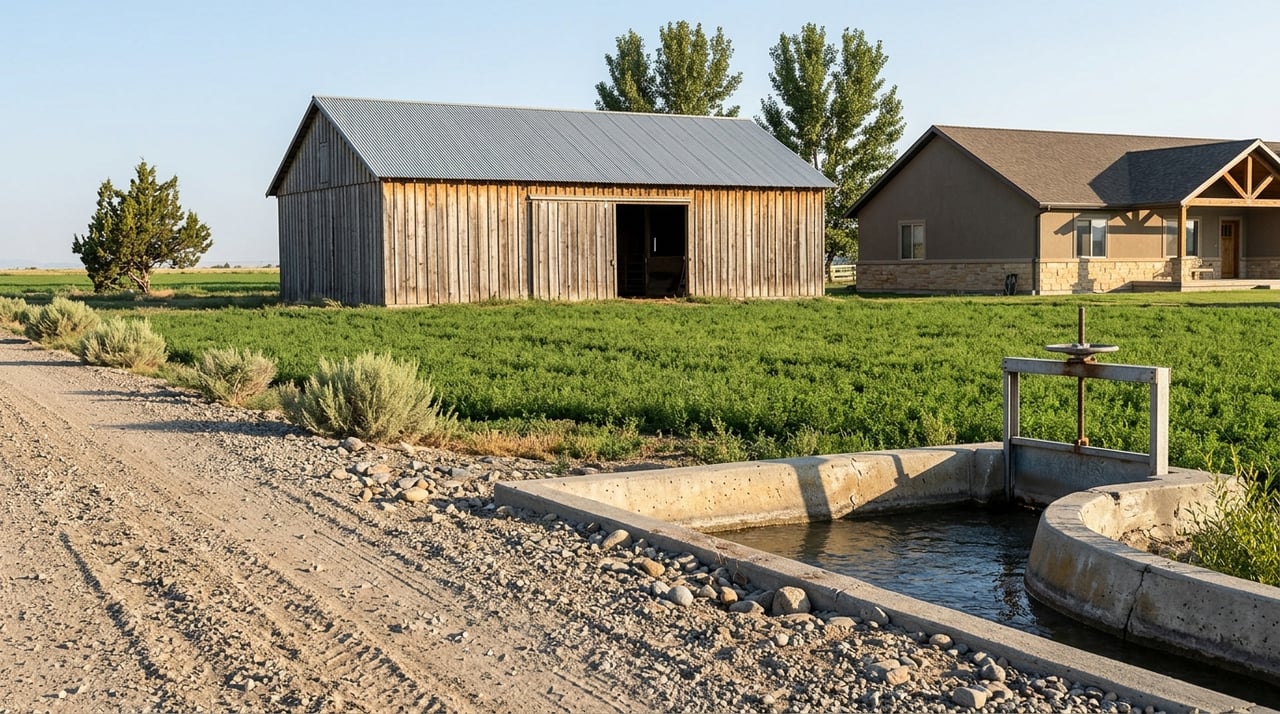
Around Mack, irrigation water commonly comes from the Government Highline Canal and the Grand Valley Water Users Association, with a smaller portion of the area served by Grand Valley Irrigation Company. These are long-established irrigation systems serving a large area of the Grand Valley.
Before you move forward on a property, ask practical questions like these:
- Does the irrigation water convey with the property?
- Is the water assigned to a specific headgate or turnout?
- Who maintains the ditch or lateral serving the parcel?
- Are there canal or lateral easements crossing the land?
- Is the irrigated ground actually reachable and usable?
GVIC notes that shares are turned out to a particular headgate before the irrigation season. That makes documentation and delivery details especially important when you are evaluating how the property will function in real life.
Separate Irrigation From Domestic Water
It is also important to know that irrigation water and domestic water are not the same thing. In Mack, some properties may have domestic water from Ute Water, some may use wells, and some may have both domestic and irrigation systems in place.
That distinction matters when you are budgeting for use, improvements, and long-term maintenance. A property that irrigates well may still have a very different domestic water setup than you expected.
Ask More Questions on Unimproved Land
If you are considering undeveloped or partly improved acreage, the water conversation gets even more important. Mesa County ties lot size and approval conditions to the planned water source and wastewater system.
Lots using onsite wastewater treatment systems must meet county standards, and lots not served by public water may need to meet well-permit or engineered-system requirements. If future building is part of your plan, this should be part of your due diligence from the start.
Evaluate Fencing and Livestock Setup
On a small ranch, fencing is not just a visual feature. It is working infrastructure. Mesa County’s rural guidance encourages buyers to understand fence-out laws and who maintains boundary fencing, and county code allows wire, wood, plastic, wrought iron, and electric fencing for large animals.
If a fence or wall is over seven feet high, a permit is required. That may not affect every buyer, but it is worth knowing if you plan to upgrade or build new animal facilities.
Look for Function First
A good small ranch should allow safe, practical animal movement. That means you are not only checking whether fencing exists, but whether it actually supports the way you plan to use the property.
As you tour the land, look for:
- Perimeter fencing in solid repair
- Cross-fencing for pasture rotation
- Gates wide enough for tractors and trailers
- Corrals or pens that feel secure and workable
- A loading, sorting, or handling area
- Water and shade locations that do not create heavy mud or bottlenecks
Mesa County specifically recognizes cattle, horses, goats, and sheep as part of the rural landscape. That is a useful reminder that a scenic parcel and a functional livestock property are not always the same thing.
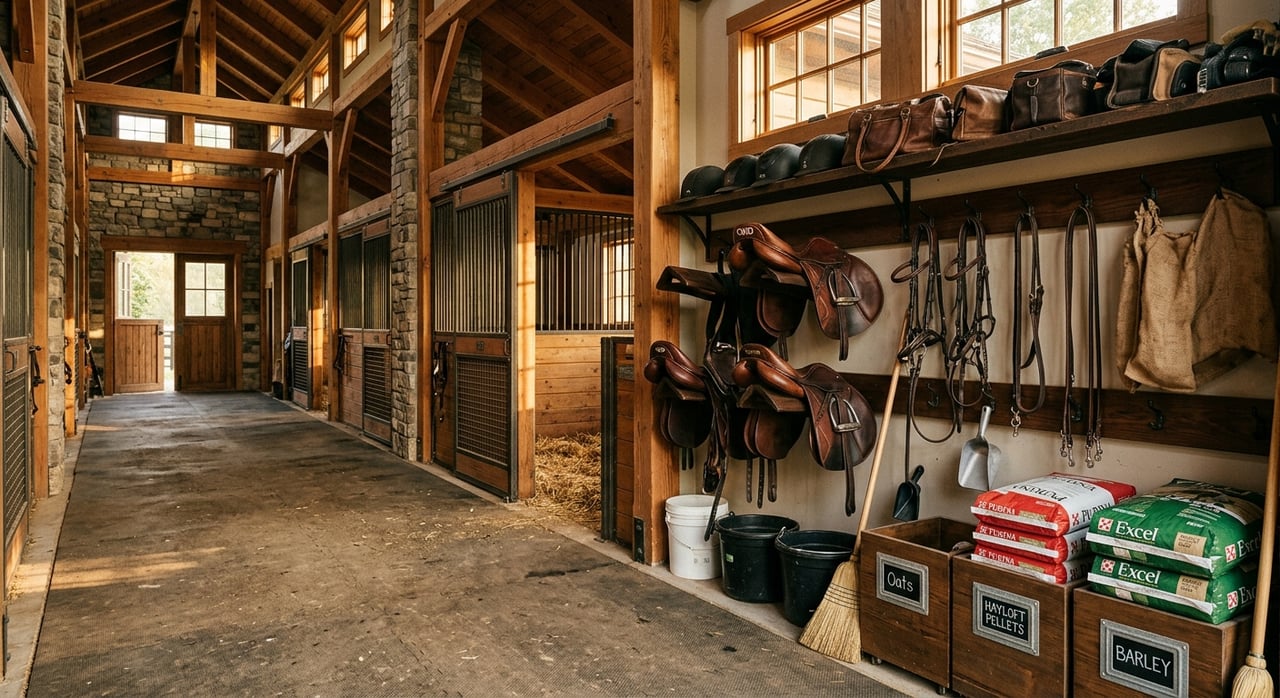
Horse Properties Need Clean, Manageable Space
If your focus is horses, the most useful acreage is usually the ground you can manage safely and cleanly. Pay attention to whether the existing fence lines match the truly usable pasture and whether the shape of the ground supports rotation and turnout.
It is also smart to look for enough room for temporary panels, a chute, or vet access if needed later. These practical details can make a big difference in how comfortable the property feels once you are actually using it.
Review Roads, Utilities, and Daily Access
A small ranch can look perfect from the gate and still be complicated in day-to-day use. Mesa County’s Mack plan identifies a utility pattern in the area that includes domestic water from Ute Water, electricity from Grand Valley Power, irrigation water from the Government Highline Canal and GVIC, sewage collection and treatment through Mesa County systems, and fire protection and EMS from Lower Valley Fire District.
The same county plan also notes that some areas in Mack did not meet current fire-protection standards at the time because of line size, capacity, and looping issues. It also noted that natural gas was not available in the area at that time.
Verify Road Access and Maintenance
Road access deserves more attention than many first-time acreage buyers expect. Mack has east-west access from I-70, and the former US 6 and 50 corridor now functions as M.8 Road. The county also notes there is no scheduled mass transit in the planning area.
Just as important, Mesa County warns that many rural roads may be private even when they appear public. Before you close, verify road ownership, maintenance responsibility, and any recorded easements so you understand your actual access year-round.
Think Through Everyday Livability
If you plan to improve the property, Mesa County code may require road improvements, driveway visibility standards, and compliance with development standards tied to drainage, potable water, fire protection, wastewater, and irrigation canal easements.
That means a property that feels simple at first glance may involve more planning if you want to add structures, rework access, or expand its use. The more clearly you understand those pieces upfront, the fewer surprises you are likely to face later.
Check Flood and Drainage Conditions
Even if a property looks dry, flood and drainage review still matters. Mesa County reports no mapped FEMA-regulatory floodplain areas in the Mack Community Plan area, but it also notes a mapped 100-year floodplain for Salt Creek on the west edge of the plan area.
That does not mean every parcel is at risk, but it does mean you should verify a property’s exact floodplain and drainage situation before making assumptions. This is especially important where low spots, drainage channels, or irrigation patterns may affect the usable part of the land.
Understand Zoning Before You Buy
Future plans matter. Many buyers look at small ranch properties with ideas about adding a shop, building another home, or splitting the parcel later. In Mack, those possibilities should always be checked against Mesa County zoning and development standards before you rely on them.
The Mack planning area lies in unincorporated Mesa County, and Mesa County is the land-use and zoning authority. The county’s Mack plan identified Agriculture Forestry Transitional as the most extensive district in the area, and the current code says property owners in the Rural Community of Mack can develop under either the underlying zoning or the Mack Overlay District standards.
Do Not Assume You Can Subdivide
In AFT zoning, base density is no more than one lot per five acres unless a different future land-use classification applies. For buyers, that means future subdivision potential is not automatic.
If long-term flexibility is part of your decision, verify zoning, overlay rules, and the exact development path before closing. It is much better to confirm those details early than to discover later that the property cannot support the plan you had in mind.
Services Can Affect Future Development
Mesa County code also ties new development to service availability. If a project is within a utility or wastewater service area, the county can require provider certification or hookups. If it is outside an existing system, the code may require a public legal entity for new service.
For buyers thinking ahead, that makes early due diligence essential. Zoning, water, wastewater, road standards, and utility access all work together when you are evaluating future potential.
A Simple Mack Property Checklist
When you compare small ranch properties around Mack, focus on the features that affect how the land will actually live and work.
Here is a practical checklist to keep in mind:
- Flat, usable ground for pasture and improvements
- Irrigation water that is legally documented and physically deliverable
- Clear separation between irrigation and domestic water systems
- Functional fencing, gates, pens, and livestock handling areas
- Drainage that supports clean, manageable use
- Verified road access and maintenance responsibility
- Realistic utility, wastewater, and fire-service considerations
- Zoning that matches your current and future plans
The strongest small ranch properties in the Mack area usually combine usable ground, documented irrigation access, durable infrastructure, and a realistic setup for everyday rural life.
If you are sorting through acreage and want a practical read on what will truly work, local knowledge matters. That is especially true with water, fencing, horse setup, and the daily realities that do not always show up in photos. If you want help evaluating land around Mack with a grounded, functional lens, Sorrel Properties is here to help.
FAQs
What should you look for first in a small ranch property around Mack?
- Start with usable ground, irrigation access, and a layout that supports the way you plan to use the property for horses, livestock, or light ranch use.
Why is irrigation so important for Mack ranch properties?
- Mack is a dry area with about nine inches of rain per year, so pasture quality and productive ground often depend heavily on irrigation, soil depth, and drainage.
What water questions should you ask when buying acreage in Mack?
- Ask whether irrigation water conveys with the property, how it is delivered, whether easements cross the land, and how domestic water is provided.
What fencing features matter on small ranch properties in Mesa County?
- Look for secure perimeter fencing, useful cross-fencing, wide gates, workable pens or corrals, and a layout that allows safe animal movement and equipment access.
Can you subdivide a small ranch property in Mack later?
- Not always. In Mesa County’s AFT zoning, base density is generally no more than one lot per five acres unless a different future land-use classification applies.
Do road and utility details really matter on Mack acreage?
- Yes. Buyers should verify whether roads are public or private, who maintains them, and how the property is served by water, wastewater, electricity, irrigation, and fire protection.