Looking for acreage in Western Colorado can feel simple at first. Then you start asking the real questions. Does the land have usable water? Is there enough setup for horses? Are you buying inside town limits or out in unincorporated Garfield County? If you are considering De Beque, this guide will help you understand what matters most before you buy. Let’s dive in.
What De Beque Offers Buyers
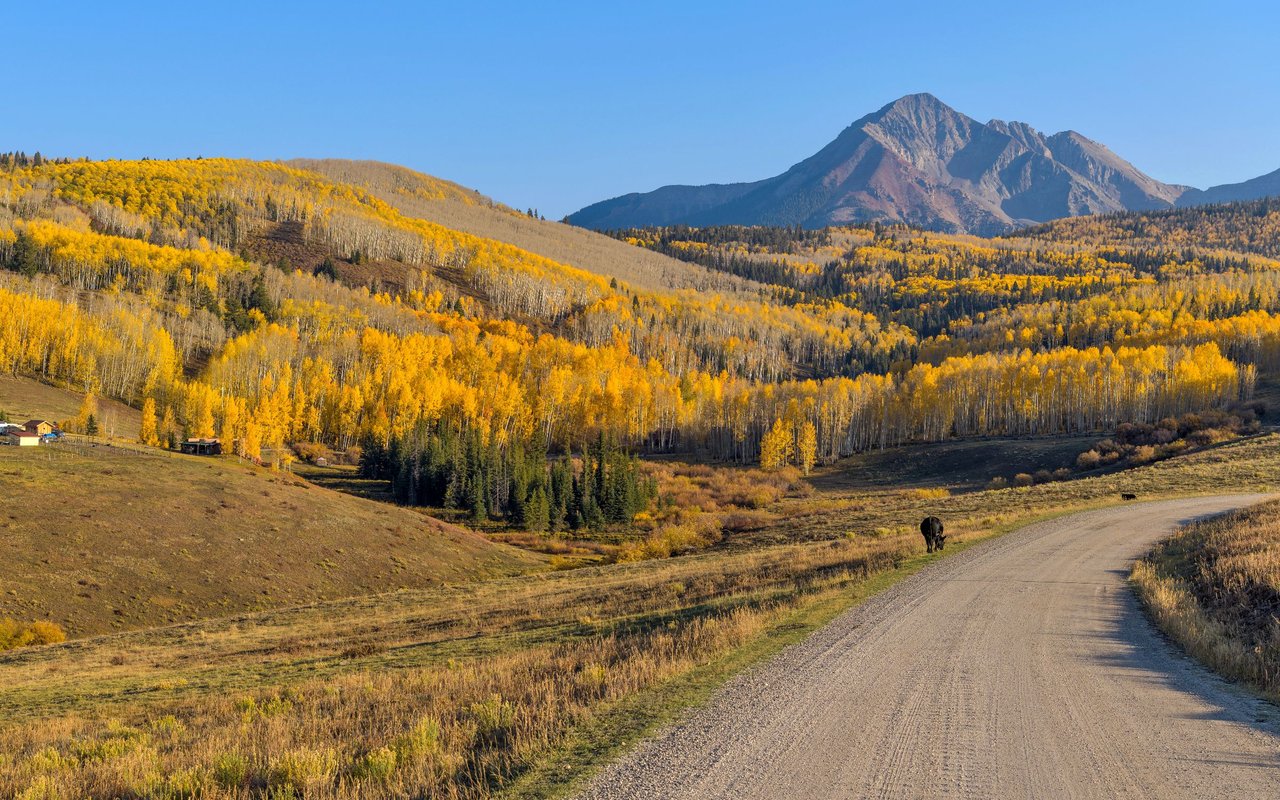
De Beque is a small western Colorado community of about 550 residents set in the foothills of the Roan Plateau and Book Cliff Range. The Town of De Beque notes that the Colorado River runs through the area and supports irrigation for agriculture and cattle. With about 10 inches of rain, roughly 241 sunny days, and an elevation of 5,321 feet, the setting is dry, open, and shaped by practical land use.
For many buyers, that means acreage here is about more than square footage. You are often evaluating how the property works day to day, not just how it looks online. In De Beque, water, access, fencing, and usable improvements can carry as much weight as the number of acres.
Acreage Sizes Vary Widely
There is no single standard parcel size in the De Beque market. Current land listings have ranged from small lots around 0.34 acres to very large holdings above 10,000 acres. For many horse-property and rural-lifestyle buyers, the most common range appears to be about 5 to 40 acres, with another group of properties in the 50 to 120 acre range.
That wide spread matters because your search may look very different depending on your goals. If you want a few horses and manageable upkeep, a smaller irrigated parcel may fit well. If you need more room for grazing, privacy, or a broader ranch setup, you may be looking at larger tracts with different infrastructure and maintenance demands.
Horse Properties Tend To Be Practical
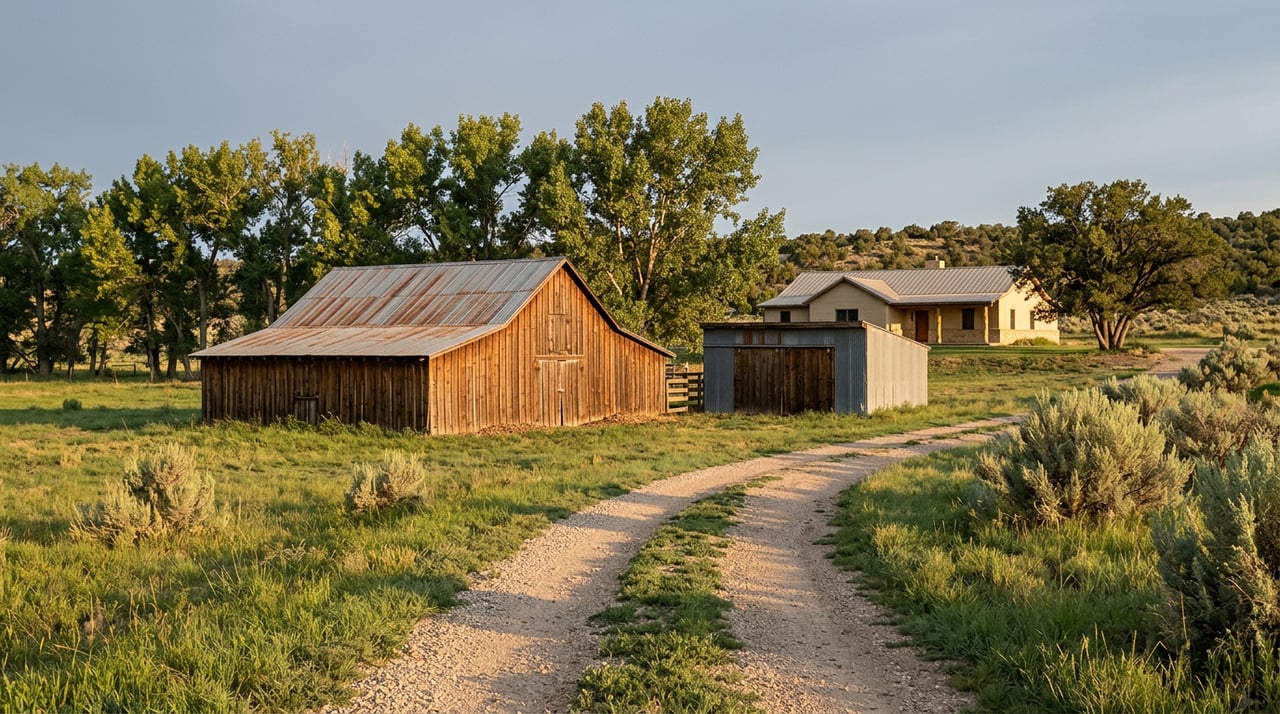
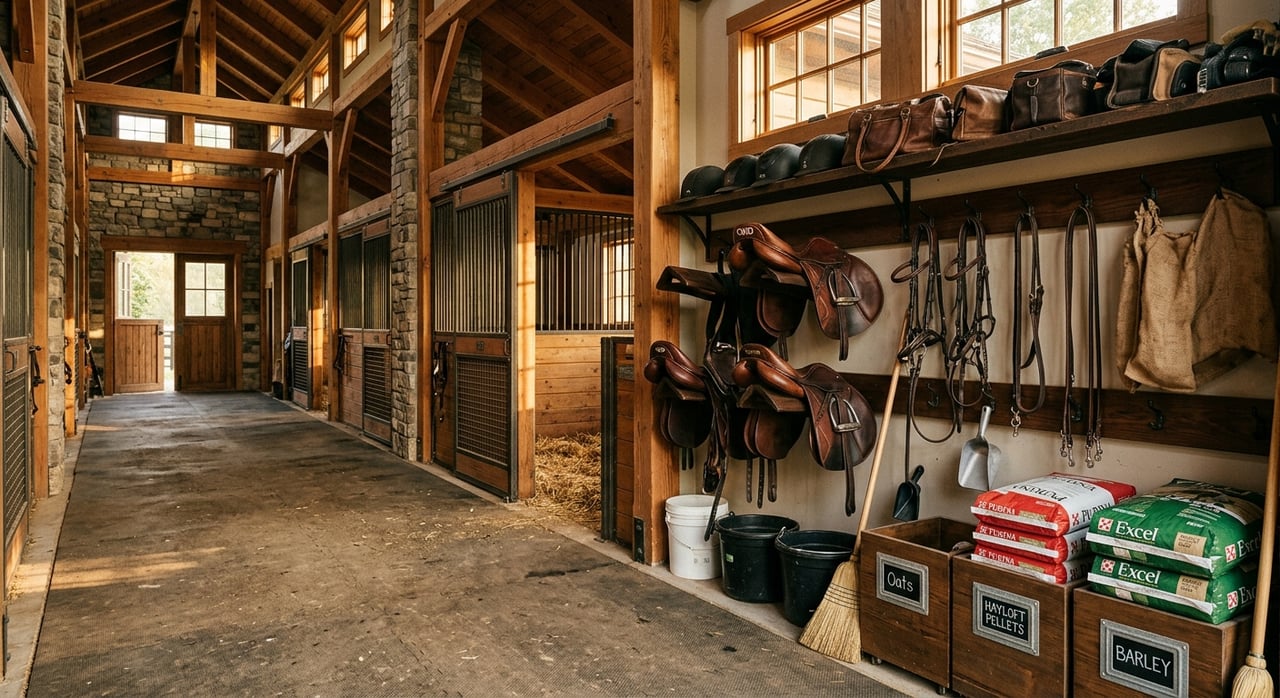
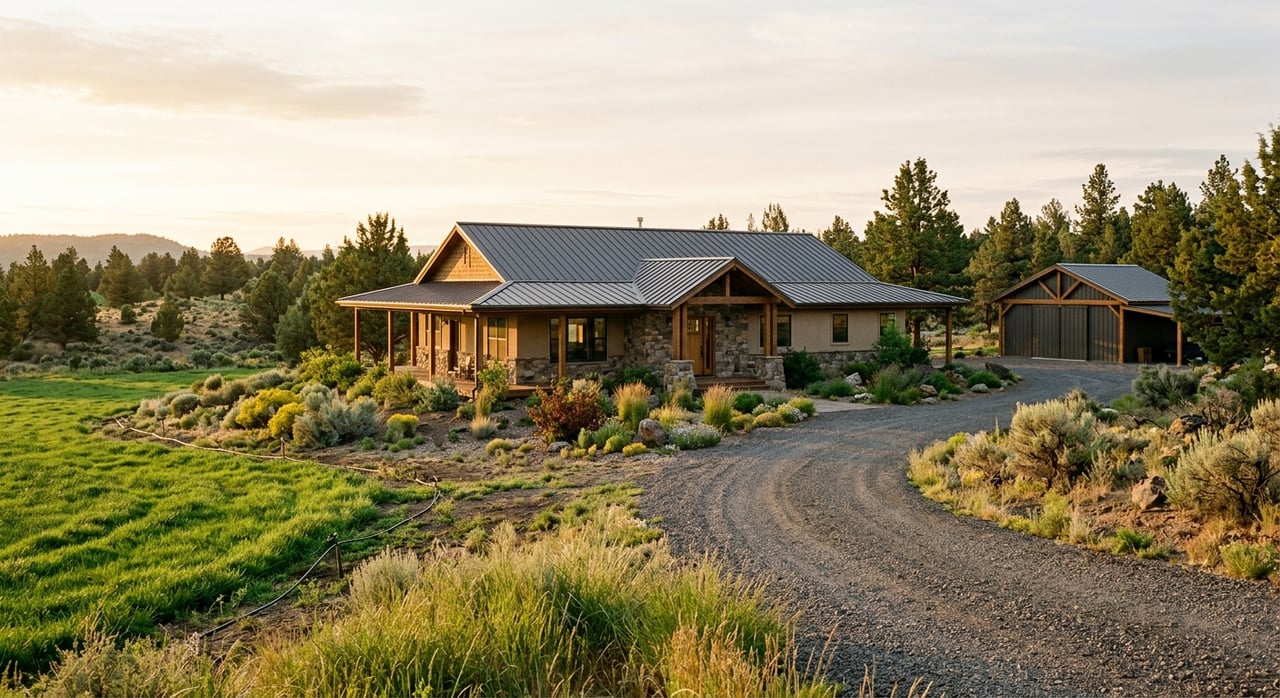
In De Beque, horse properties often lean toward utility rather than polished equestrian luxury. Recent examples in the area have included features like irrigation, shops, detached garages, horse shelters, stalls, tack sheds, roping arenas, round pens, storage buildings, and off-grid support structures. That practical mix is common in rural Western Colorado.
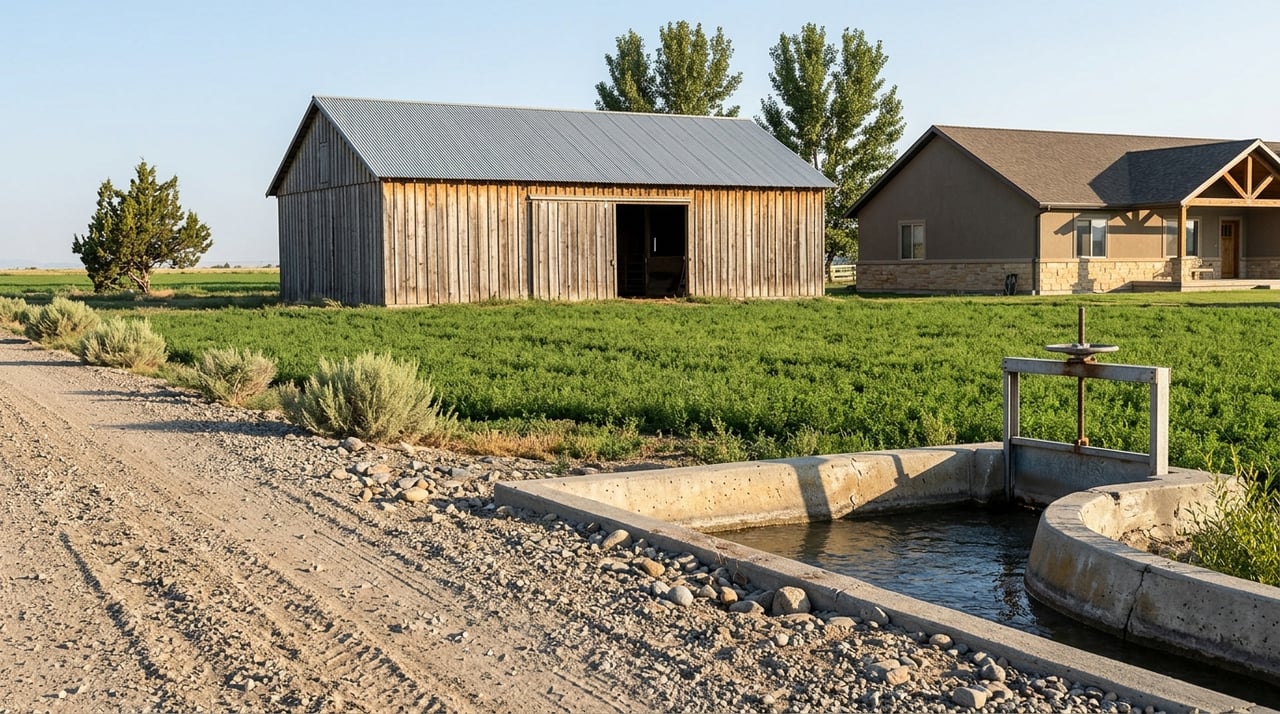
This can be a benefit if you care more about function than appearance. A property with a solid barn, usable corrals, and working irrigation may offer more real-world value than one with cosmetic updates but limited horse setup. It is important to look closely at how the improvements support your actual routine.
Water Is One Of The Biggest Factors
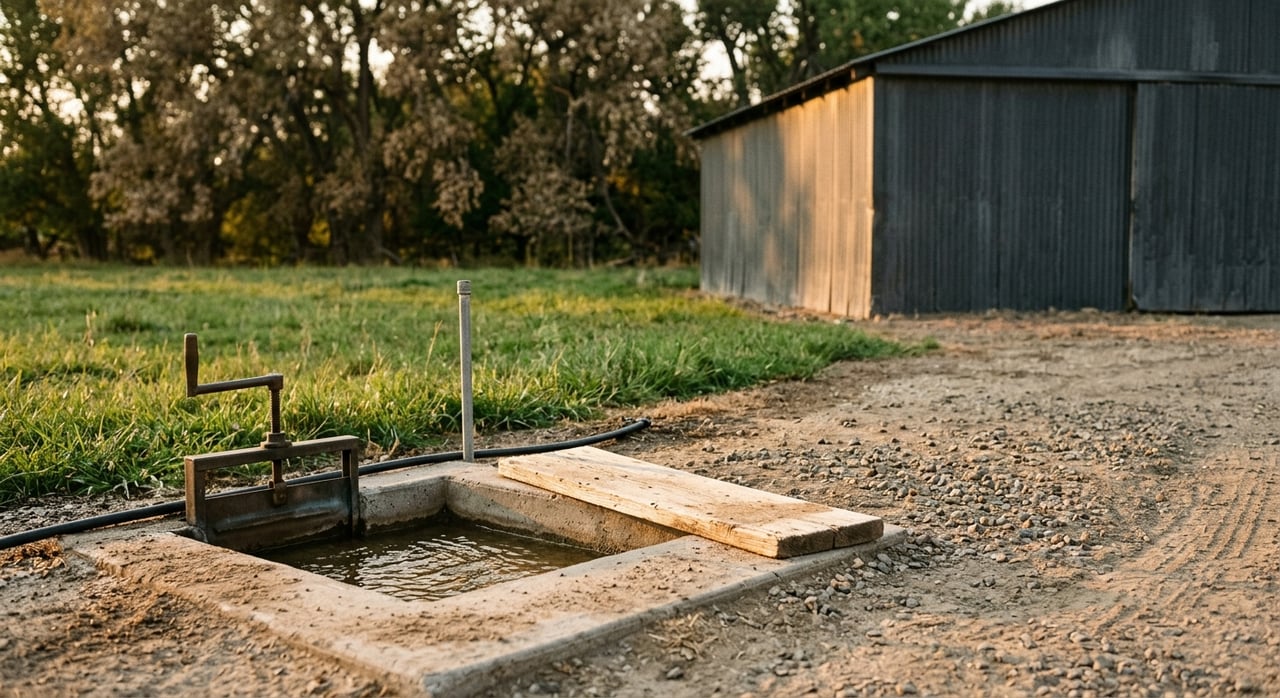
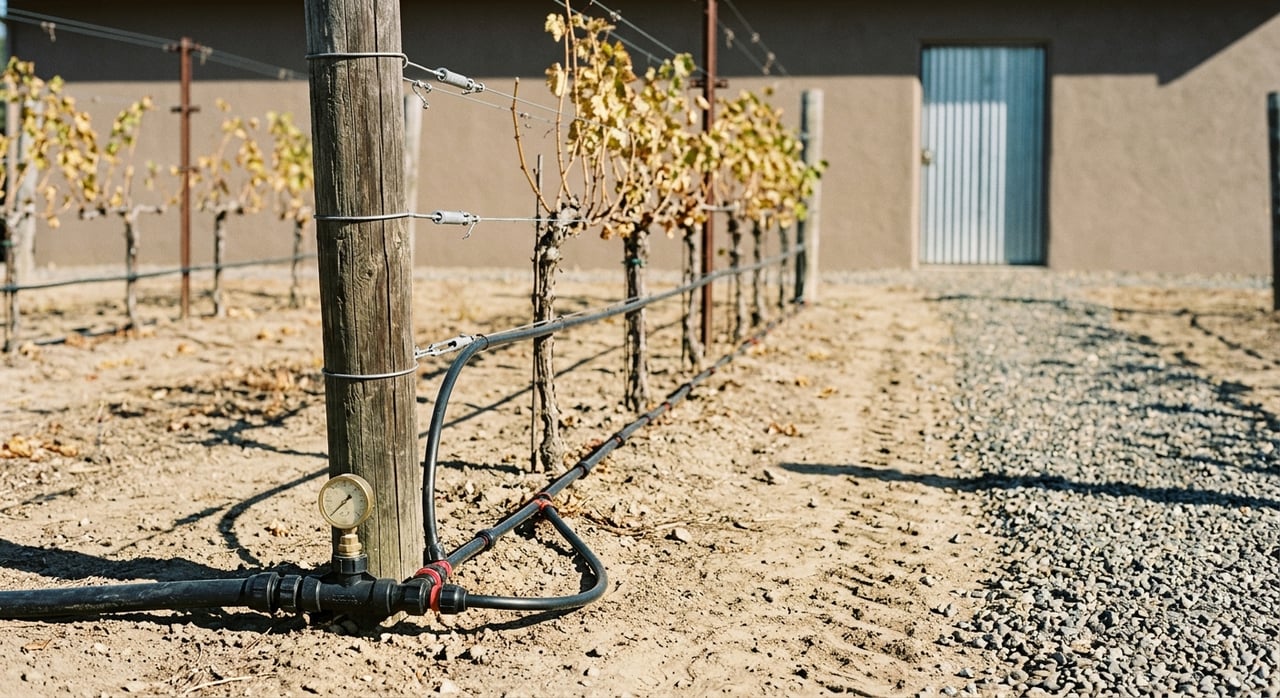
If you remember one thing about buying acreage in De Beque, make it this: water matters. The Town of De Beque states that it has some of the oldest water rights in the region and provides water and sewer service within incorporated limits, plus limited service to some unincorporated areas. The town also operates a separate raw water irrigation utility.
The town further notes that new construction within 400 feet of a sewer or water main is required to connect. That can affect both costs and planning if you are buying land to build on. It also means you should confirm early whether a parcel is served by town utilities, a well, a cistern, ditch shares, or some combination.
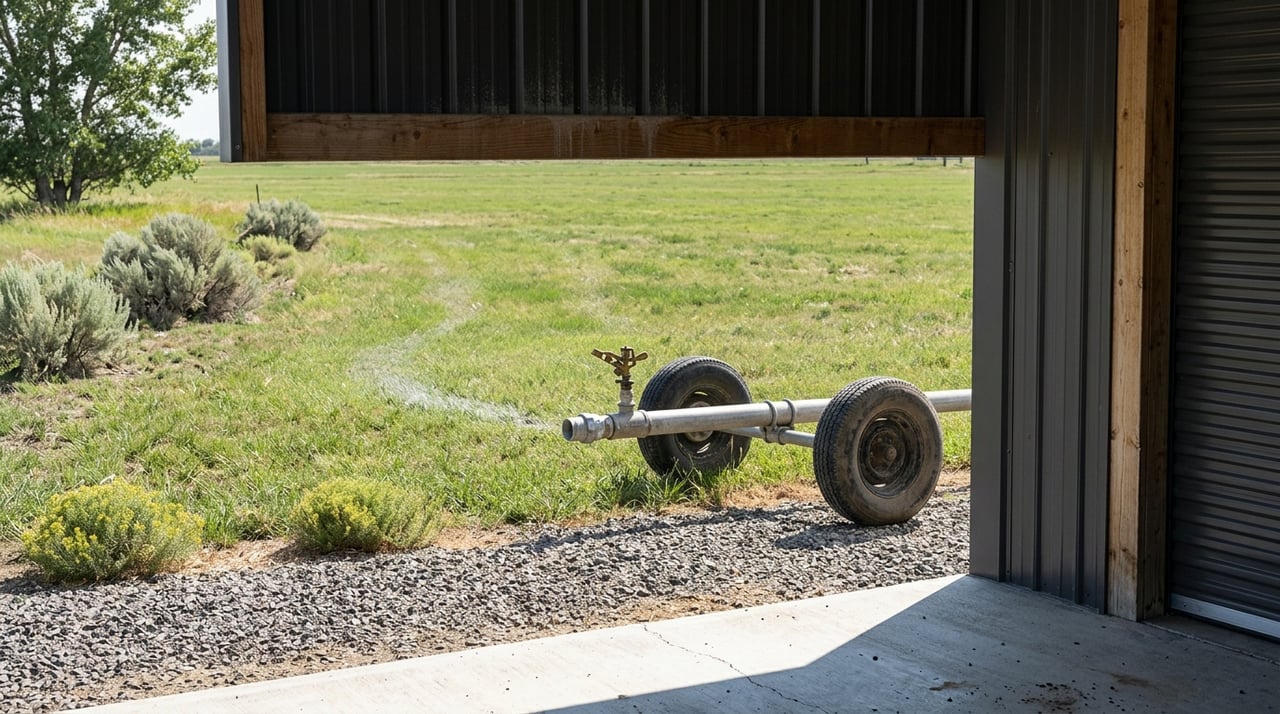
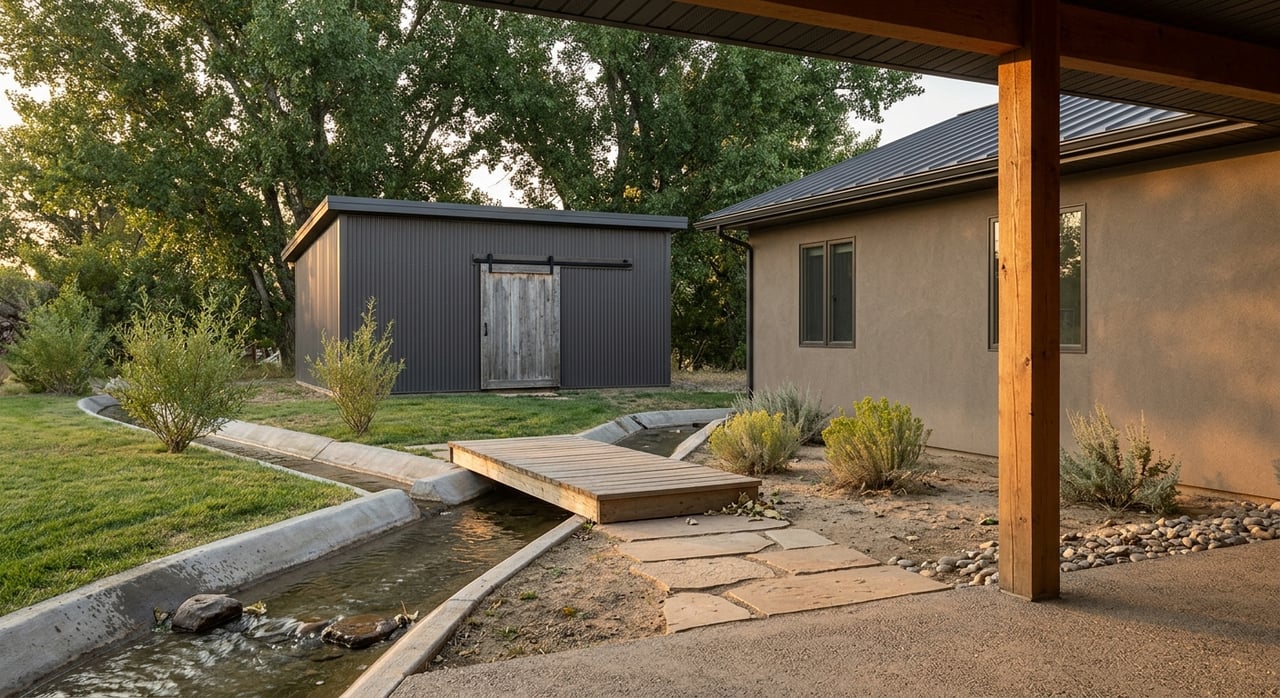
Outside town, ditch rights and irrigation access can be just as important as the house or barn. Garfield County’s land-use code protects irrigation ditch access and requires written permission before placing a fence or structure within a ditch right-of-way. The code also states that development may not channel surface water into an irrigation ditch without the ditch owner’s written consent.
For buyers, that means water is not just a feature on a flyer. It is part of how the property functions and what you can do with it over time. If a listing mentions flood-irrigated acreage, creek-fed meadows, or ditch shares, those details deserve careful review.
Town Limits Versus County Rules
One of the easiest mistakes a buyer can make is assuming the mailing address tells the whole story. De Beque-area properties can appear under different county labels, so it is smart to verify the parcel map and jurisdiction early. Whether the property sits inside town limits or in unincorporated Garfield County can affect utilities, land use, setbacks, and development rules.
Inside town limits, De Beque’s municipal code addresses items like minimum land area, lot coverage, setbacks, clustering, and residential density. Outside town, Garfield County’s land-use code applies. If you are planning changes to the property, this distinction can shape what is possible and what approvals may be required.
There is another local wrinkle to keep in mind. If a parcel is inside town limits, the Town of De Beque requires building and zoning clearance before Mesa County issues the building permit and inspections. That is the kind of detail that can surprise buyers if they do not ask about it upfront.
Horse Access Is A Real Advantage Here
For riders, De Beque has something many rural markets cannot match so closely. The BLM’s Little Book Cliffs Wild Horse Range lies between De Beque and Grand Junction and spans 36,113 acres of canyons, plateaus, sagebrush, and pinyon-juniper terrain. The area supports hiking, horseback riding, and wildlife viewing.
BLM also notes that Little Book Cliffs is one of only three U.S. ranges designated specifically to protect wild horses. The area includes nine trails that range from one to five miles and are open to foot and horse travel only. For buyers who want acreage paired with access to public-land riding, that is a meaningful lifestyle benefit.
Still, access comes with practical considerations. Some routes in the area are 4x4 roads that can become impassable in wet weather. If public-land access is part of why you are buying in De Beque, make sure you understand road conditions in different seasons.
Agricultural Use And Tax Expectations
Some buyers assume that owning a few horses on acreage automatically means the land qualifies as agricultural property. Garfield County says that is not necessarily the case. Newly started agricultural use generally must be in place for three years before classification is granted, unless the land qualifies under decreed water rights or agricultural forest land.
The county also states that there is no minimum herd size, but grazing must reflect sound ranching practices, and agricultural land may be inspected. That is helpful context if you are trying to understand long-term carrying costs. If agricultural classification is part of your buying plan, it is worth verifying what the property currently has in place and what timeline may apply.
What To Check Before You Buy
When you tour acreage or horse properties in De Beque, focus on the details that affect daily use. A beautiful setting is important, but function usually decides whether the property is a good fit.
Here are a few key items to review early:
- Verify whether the parcel is inside town limits or in unincorporated Garfield County.
- Confirm the water source, such as town water, well, cistern, ditch shares, or a combination.
- Ask how irrigation works and whether there are any ditch right-of-way considerations.
- Check road access in dry, wet, and winter conditions, especially if 4x4 travel is involved.
- Inspect fences, gates, and ditch crossings.
- Review the condition and usefulness of barns, shelters, corrals, shops, garages, and storage buildings.
- If you plan to build or expand, ask which local rules and approvals apply.
These are the kinds of details that shape ownership far more than a polished listing description. In a market like De Beque, understanding the land is often the difference between a property that simply looks appealing and one that truly fits your goals.
Why Local Guidance Matters
Buying rural property is different from buying a typical in-town home. You are often weighing water, access, land use, horse setup, and the practical condition of improvements all at once. In De Beque, those moving parts can directly affect value, usability, and your day-to-day experience on the property.
That is why it helps to work with a brokerage that understands Western Colorado land in real terms. Sorrel Properties approaches acreage, ranch, and horse-property searches with a practical lens rooted in local knowledge and lived rural experience. If you want help comparing De Beque properties and sorting through the details that matter most, Sorrel Properties is here to help.
FAQs
What acreage sizes are common in De Beque, Colorado?
- De Beque listings have ranged from small lots to very large ranch tracts, but many horse-property and rural-lifestyle buyers focus on about 5 to 40 acres, with another common range around 50 to 120 acres.
What should buyers check about water on De Beque acreage?
- You should confirm whether the property uses town water, a well, a cistern, ditch shares, or another source, and review how irrigation works before relying on the acreage for horses or agricultural use.
Are De Beque horse properties usually luxury equestrian estates?
- Many De Beque horse properties are more utility-driven than luxury-focused, with features like barns, shelters, stalls, tack sheds, shops, corrals, round pens, and irrigated ground.
Is public horseback riding available near De Beque?
- Yes. The Little Book Cliffs Wild Horse Range between De Beque and Grand Junction offers horseback riding access on nine trails, though some area roads may require 4x4 travel and can be difficult in wet weather.
Does owning horses on De Beque acreage qualify land for agricultural classification?
- Not automatically. Garfield County says newly started agricultural use generally must be in place for three years before classification is granted unless another qualifying condition applies.
Why does town versus county location matter for De Beque property?
- The property’s location affects utility service, land-use rules, setbacks, density standards, and building-related approvals, so buyers should verify the parcel’s actual jurisdiction early in the process.