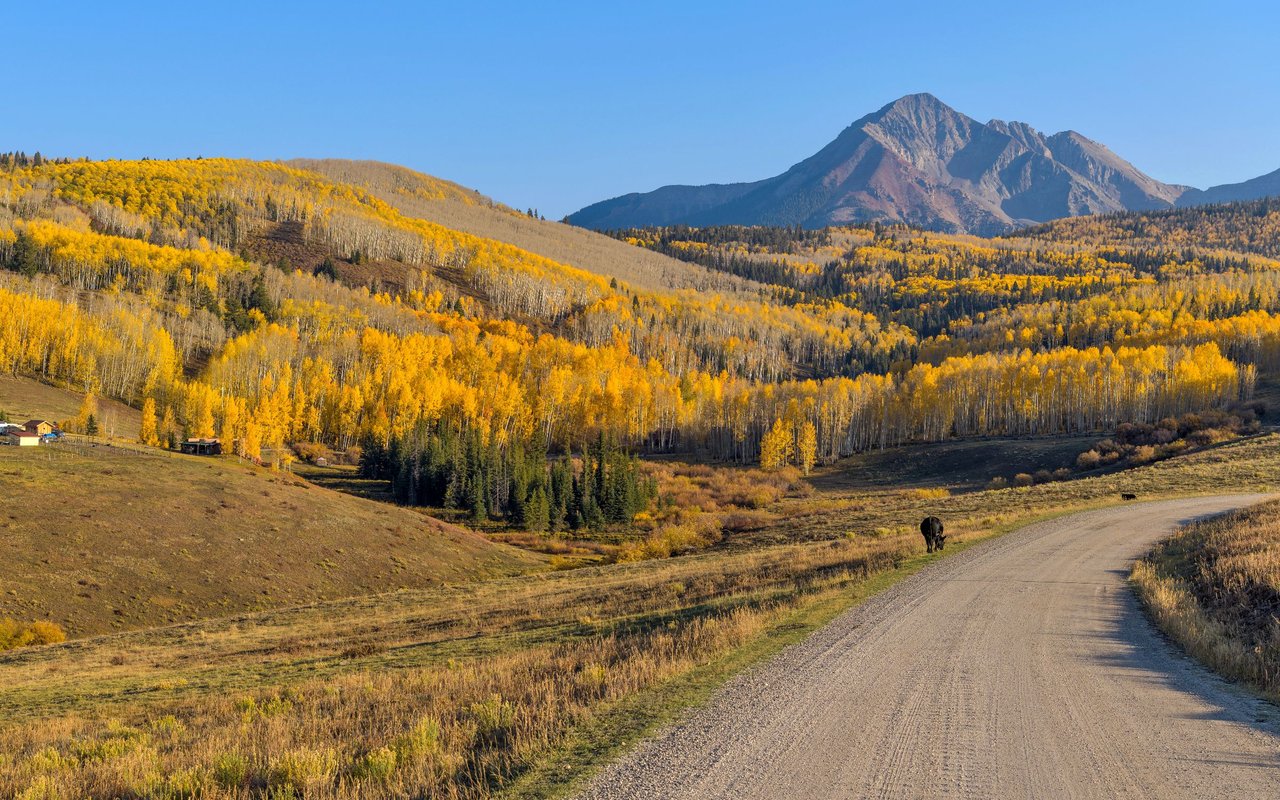
Buying or selling land near Grand Junction is not the same as buying or selling a house in town. A parcel can come with irrigation delivery, ditch easements, fence questions, septic history, and land-use limits that affect how the property actually works day to day. If you are hiring an agent for acreage, horse property, or rural land in Mesa County, the right questions can help you find someone who understands more than price per square foot. Let’s dive in.
Why land experience matters here
In Grand Junction and across Mesa County, rural property often comes with systems and obligations that do not show up in a typical residential sale. Water may be delivered through a canal or lateral, livestock rules may apply based on zoning and parcel size, and a private well or septic system may need careful review.
Mesa County also has a right-to-farm policy that recognizes agriculture as part of local life. That means an agent should understand practical issues like gates, fences, irrigation and drainage maintenance, easements, and how neighboring agricultural operations may affect day-to-day ownership.
Start with the agent’s local land background
Before you ask about any one property, ask how the agent works with land in the Grand Junction area. You want to know whether they regularly handle acreage, horse properties, ranch land, or rural homes where water, fencing, and land use are central to the decision.
A strong answer should sound specific, not generic. An agent who is truly land-savvy should be able to explain how they review irrigation service, water rights, septic records, fencing, and county-level land-use issues as part of the process.
Questions to ask about experience
- How many Grand Junction or Mesa County land, horse-property, or rural-home transactions have you handled?
- Have you worked on deals where irrigation, fencing, livestock setup, or water rights were key issues?
- How do you evaluate a property beyond the home itself?
- What local due diligence issues come up most often on acreage in this area?
Ask how they handle irrigation and water delivery
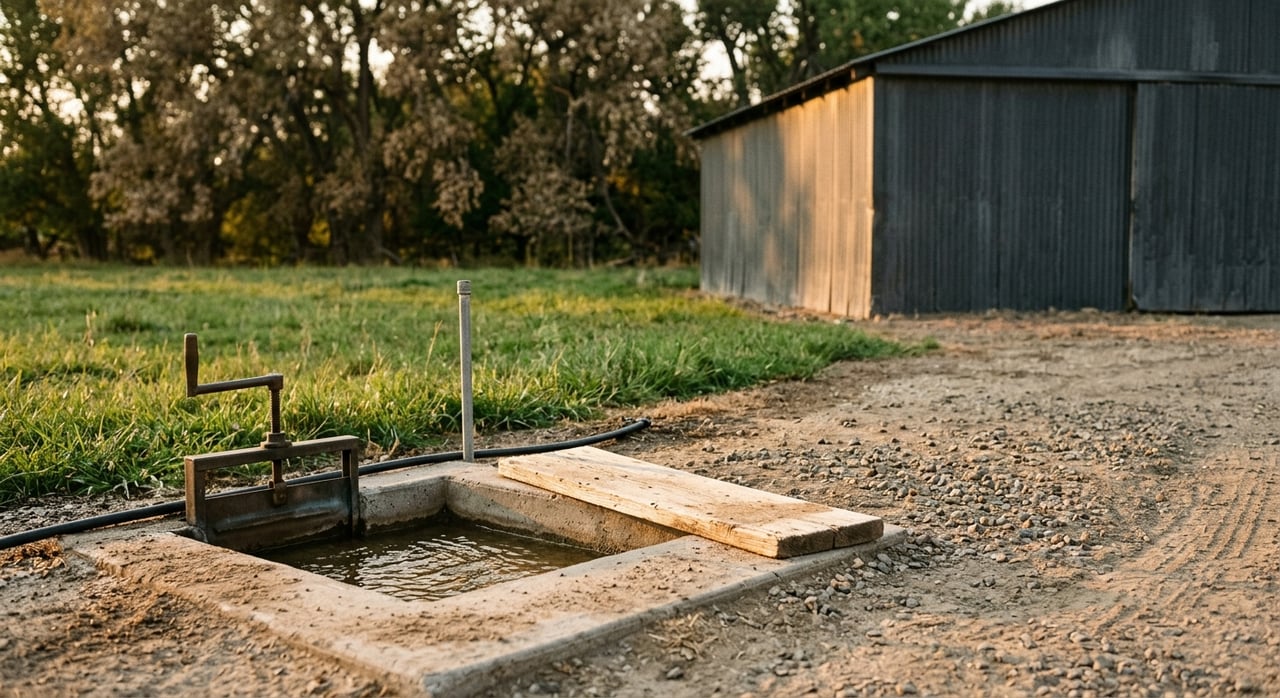
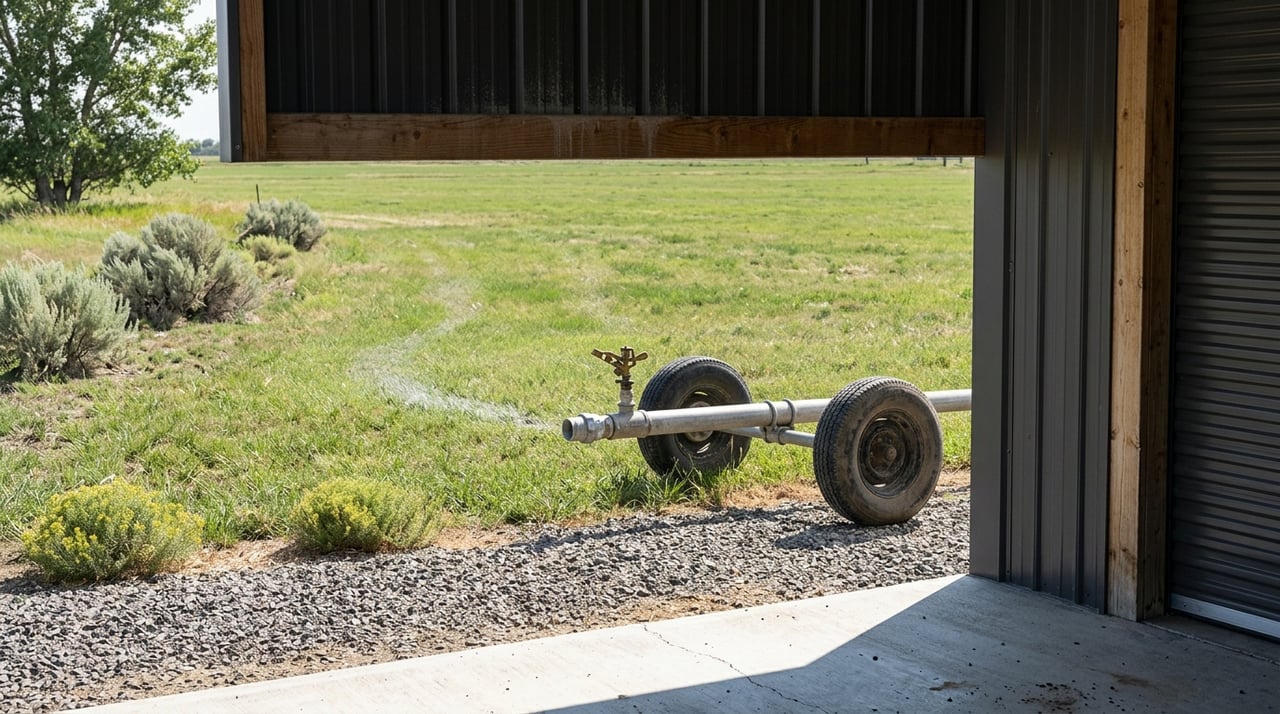
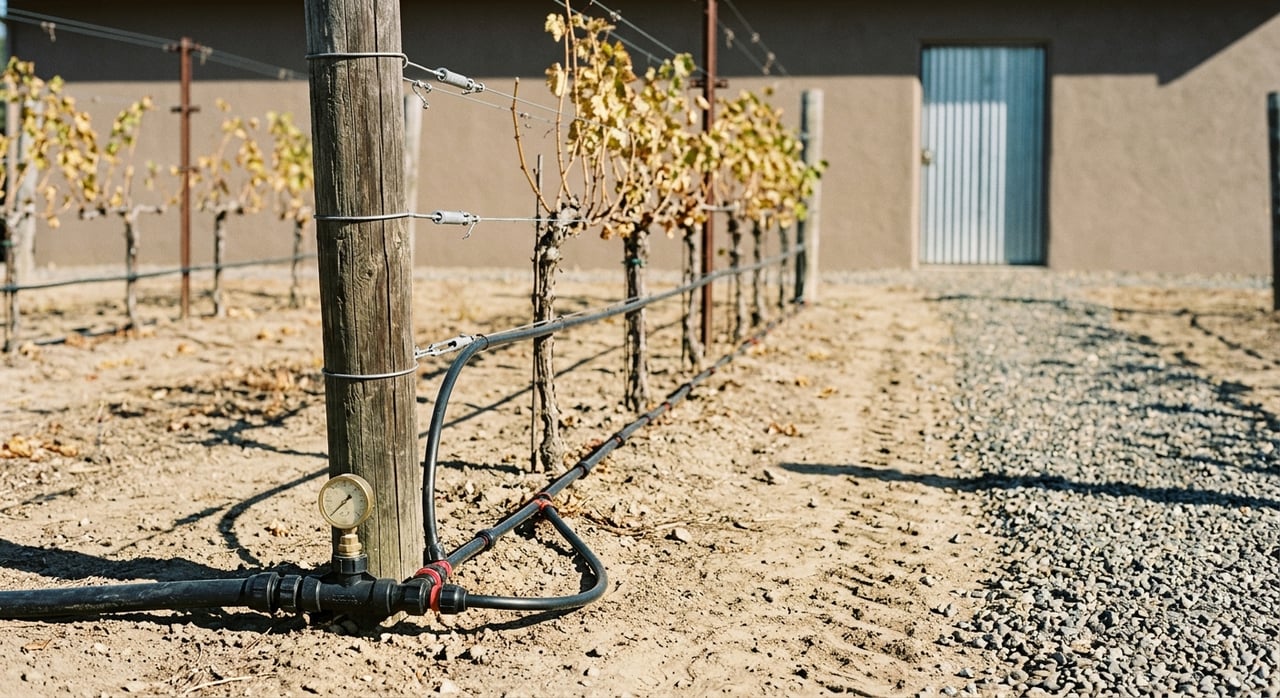
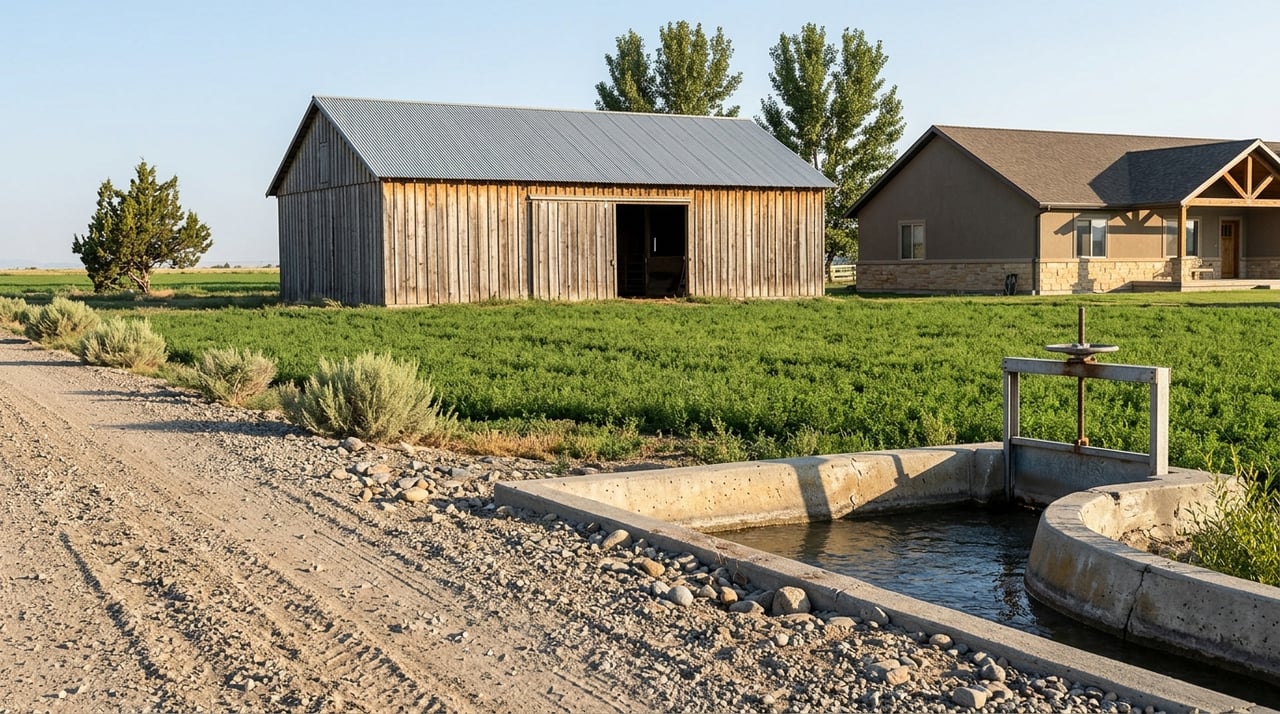
This is one of the biggest areas where local knowledge matters. The Grand Valley is served by multiple irrigation providers, not one single utility, and that can affect how water is delivered, who manages the system, and what costs or obligations come with the property.
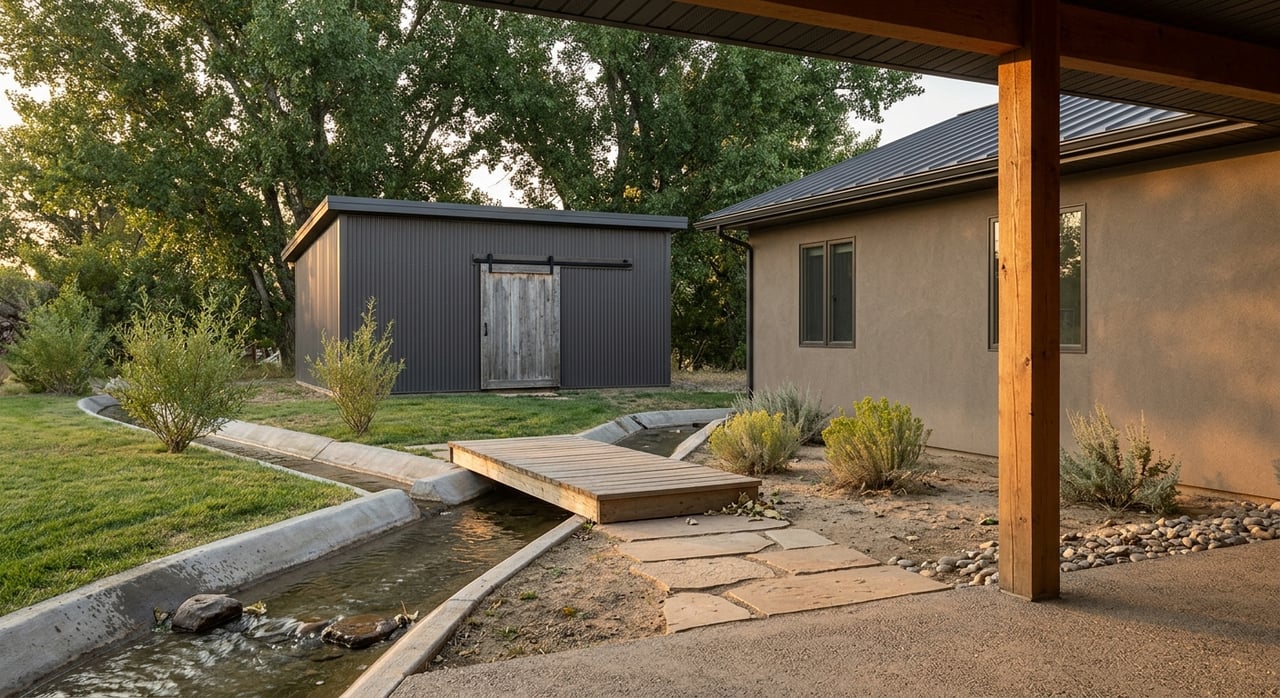
An agent should know that in this area, the conversation does not stop at whether water is available. You also need to understand which company or district serves the parcel, how delivery works, whether there are assessments, and whether there are ditch, canal, or lateral easements that affect the land.
Questions to ask about irrigation
- Which irrigation company or district serves this parcel?
- How is irrigation water ordered, measured, and delivered here?
- Are there assessments, maintenance obligations, or ditch rider coordination to know about?
- Are there canal, ditch, or lateral easements on the property?
- Has the agent worked with Grand Valley irrigation systems before?
Ask direct questions about water rights
Colorado water law follows prior appropriation, which means water is administered on a first in time, first in right basis. In practical terms, that means the details of a water right can matter a great deal, especially during shortages.
A land-savvy agent should be comfortable discussing whether water rights are attached to the land or held separately, and whether any shares or rights need separate review. They should also know when a buyer needs more information before assuming that visible water on or near a property means reliable use rights come with the sale.
Questions to ask about water rights
- Are the water rights attached to the land, or are they separate shares?
- What documents should be reviewed to confirm what transfers with the property?
- How do you help buyers and sellers verify irrigation-related obligations?
- Have you handled transactions where water-right questions changed the value or use of the property?
Ask what they know about wells
If a property uses a private well, your agent should understand the basics of Colorado and Mesa County requirements. Colorado’s Division of Water Resources says every new well that diverts groundwater must have a well permit, and in many parts of the state an augmentation plan may also be required.
Mesa County may require proof tied to ownership, permits, water court documentation where applicable, potability evidence, and geologic reporting on supply and reliability for proposed private wells in new development. A knowledgeable agent should know these issues need review early, not after you are deep into the transaction.
Questions to ask about wells
- Is the well permitted?
- Is augmentation required for this property or proposed use?
- Has the water been tested?
- If this is new development, what county well-related approvals should be checked?
- How do you help clients review well records and reliability questions?
Ask about fences, gates, and livestock realities
In Mesa County, fence and livestock questions are not minor details. The county’s right-to-farm policy and related guidance make it clear that landowners may need to maintain fences, leave gates as found, control livestock, and respect easements and rights-of-way tied to agricultural operations.
County land-use rules also matter. On parcels under 10 acres, domestic livestock must be confined, fenced, or controlled so they do not run at large, and zoning can affect setbacks for livestock pens and dwellings in rural areas. An agent who works with horse property or livestock property should be ready for these conversations.
Questions to ask about fencing and livestock
- Who owns and maintains the boundary fence?
- Are there shared fences, gates, or livestock corridors on the property?
- What zoning rules affect livestock use here?
- Are there recorded right-to-farm notices, pet restrictions, or fence-maintenance covenants?
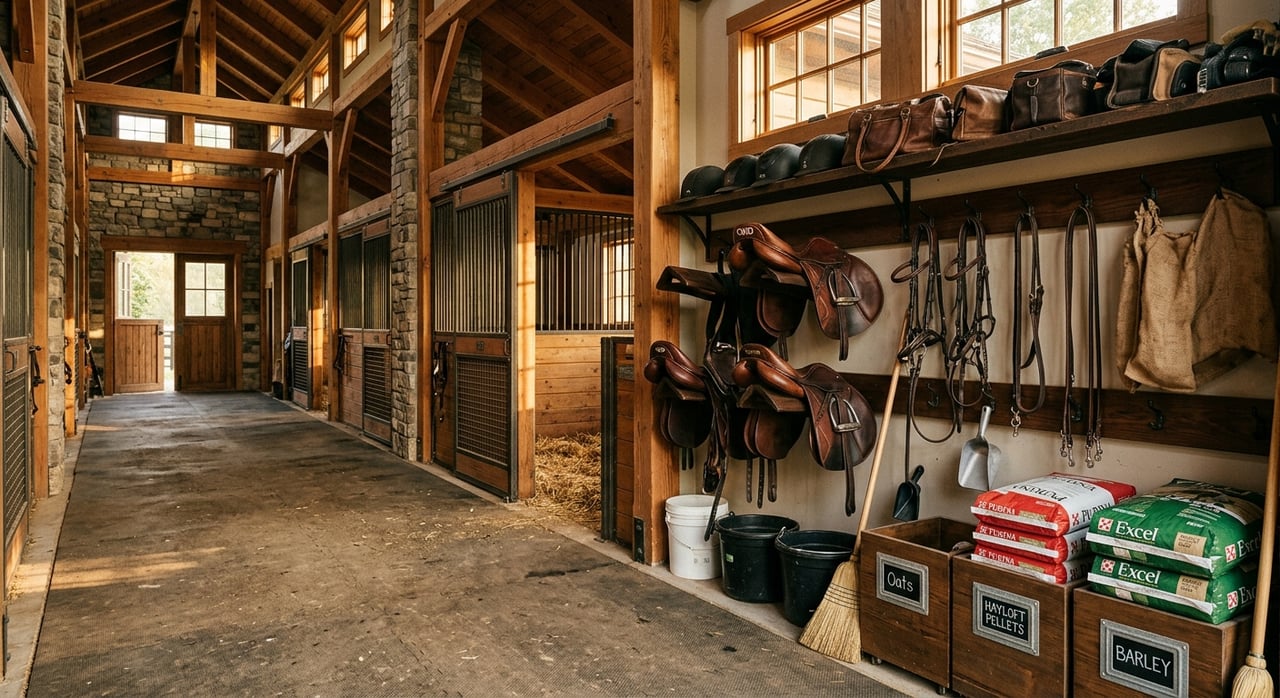
- Have you handled horse or livestock properties where fencing was a central issue?
Ask how they review septic and OWTS records
For many rural properties, septic review is part of smart due diligence. Mesa County’s OWTS department handles septic permits and clearances, and the county notes that permit applications are non-transferable, while some active designs may be transferred only through a new application by the current owner.
That means your agent should know how to ask for the right history. You want someone who thinks beyond whether a system exists and asks about permit status, repair records, bedroom-count changes, and where the future replacement area is located.
Questions to ask about septic
- Is there a valid OWTS permit or clearance?
- Where is the replacement area?
- Have there been repairs, expansions, or bedroom-count changes approved by the county?
- How do you help clients gather septic history before closing or listing?
Ask about floodplain and wildfire review
Not every rural parcel has the same building or use potential. Mesa County’s rules require hazard identification for issues such as wildfire, landslides, floods, steep slopes, and polluted or nonpotable water, and floodplain development can require county review.
Wildfire-related standards can also affect improvements such as fencing layouts, fire breaks, and egress design in certain situations. An agent does not need to act as an engineer or county official, but they should know when these issues may affect your plans and what records or approvals need a closer look.
Questions to ask about hazards and approvals
- Is any part of the property in a floodplain or flood-prone area?
- Could wildfire-related standards affect future barns, fences, or outbuildings?
- What county or utility approvals should be checked before making an offer or listing the property?
- How do you flag use limitations early in the process?
Listen for how specific the answers are
The best interview answers are practical and local. A good land-savvy agent should talk about Mesa County systems, not just broad real estate talking points. They should be comfortable discussing irrigation districts, ditch easements, well permits, OWTS records, fencing, and zoning-related livestock questions in plain English.
Be cautious if an agent stays vague or shifts every answer back to general sales volume. Land expertise in Grand Junction is less about how many houses someone has sold and more about whether they understand how rural property lives and works.
What a strong fit looks like
The right agent for Grand Junction land should help you slow down and ask better questions. They should respect that acreage, horse property, and ranch-adjacent homes often carry operational details that affect value, use, and long-term satisfaction.
That kind of guidance matters whether you are buying your first small acreage, selling a long-held family property, or trying to understand if a parcel truly fits your plans. A land-savvy agent helps you see the full picture, not just the listing photos.
If you are looking for grounded guidance on land, horse property, or rural real estate in Western Colorado, Sorrel Properties brings a practical understanding of how these properties work on the ground.
FAQs
What should I ask a Grand Junction land agent about irrigation?
- Ask which irrigation company or district serves the parcel, how water is delivered, whether assessments apply, and whether ditch or canal easements affect the property.
What should I ask a Mesa County agent about water rights?
- Ask whether the water rights are attached to the land or held separately, what transfers with the sale, and what documents should be reviewed to confirm that.
What should I ask a rural agent about fences and livestock in Mesa County?
- Ask who maintains boundary fences, whether there are shared gates or livestock corridors, and what zoning or recorded covenants affect animal use and fence responsibilities.
What should I ask a Grand Junction acreage agent about wells?
- Ask whether the well is permitted, whether augmentation may be required, whether the water has been tested, and what county review may apply for new development.
What should I ask a Mesa County agent about septic systems?
- Ask whether there is a valid OWTS permit or clearance, whether repairs or expansions were approved, and where the replacement area is located.
What should I ask a land-savvy agent about floodplain and wildfire issues?
- Ask whether any part of the property is in a floodplain or flood-prone area, whether wildfire-related standards could affect improvements, and what county approvals should be checked early.