Are you trying to decide between the ease of living in Grand Junction and the space that comes with owning land nearby? It is a common question, especially if you want more room but do not want daily life to become harder. The right choice often comes down to how you want to live, what you are comfortable managing, and how much hands-on property ownership fits your routine. Let’s dive in.
Grand Junction Living at a Glance
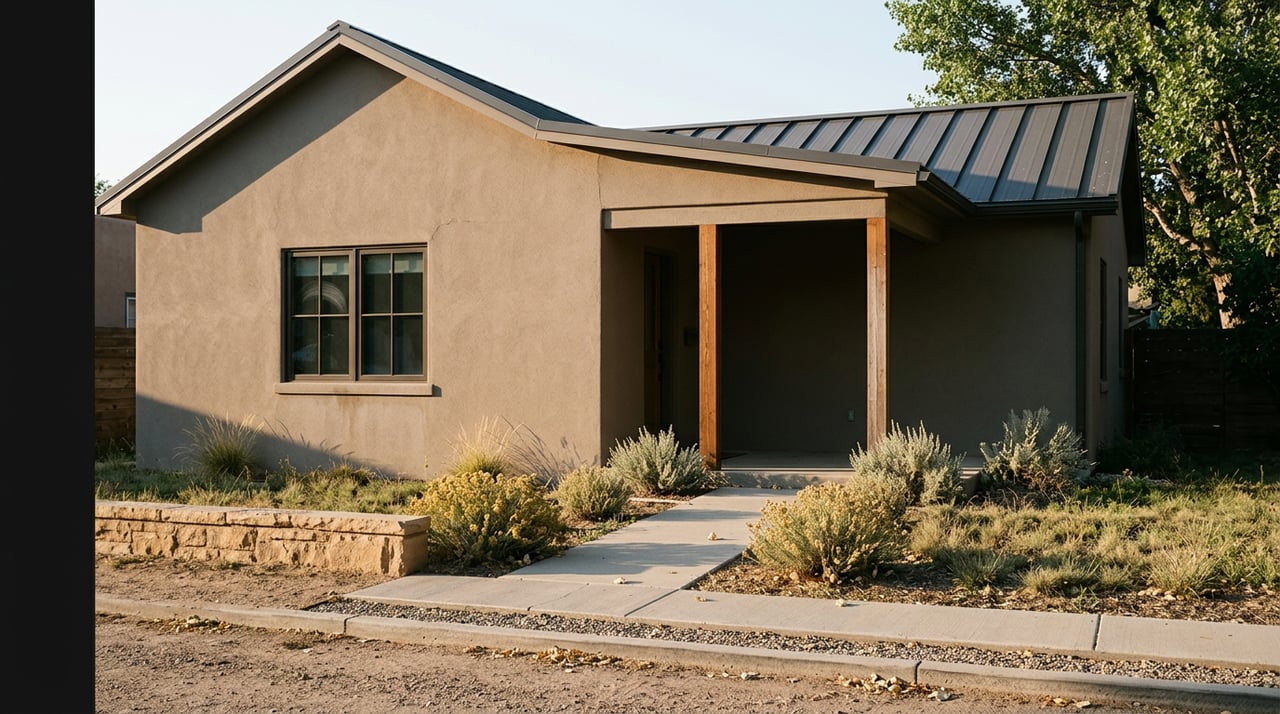
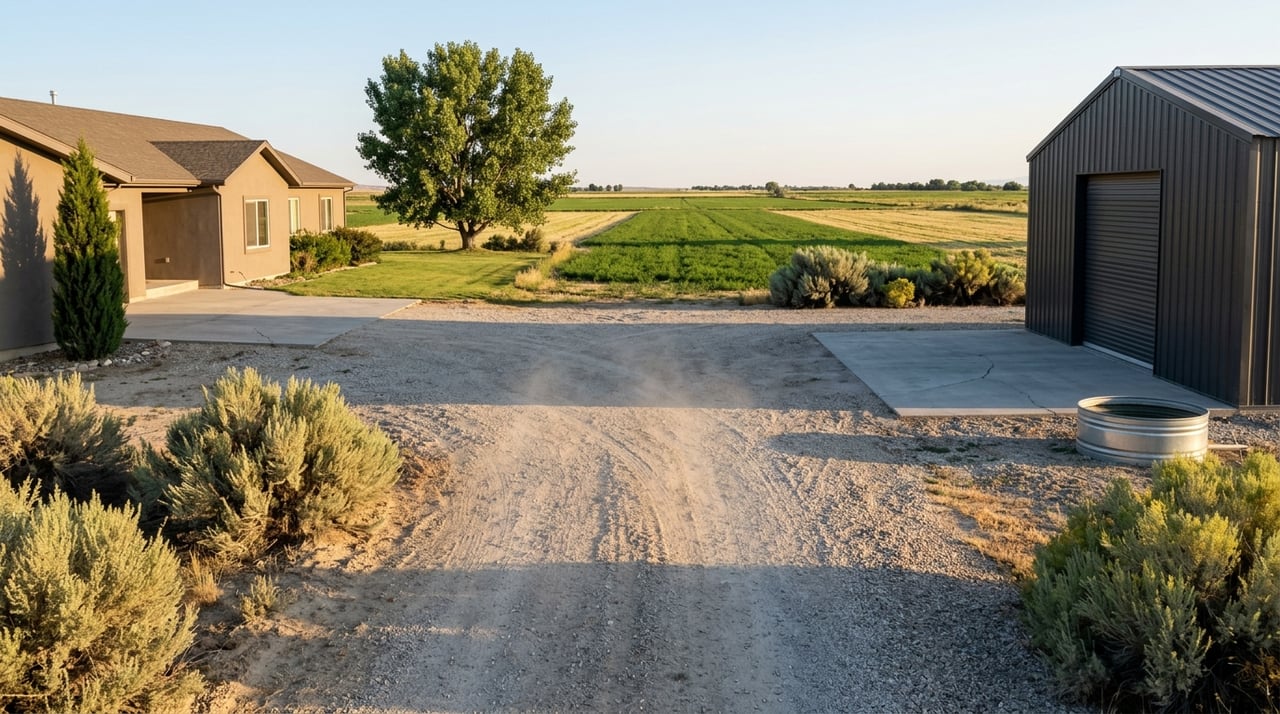
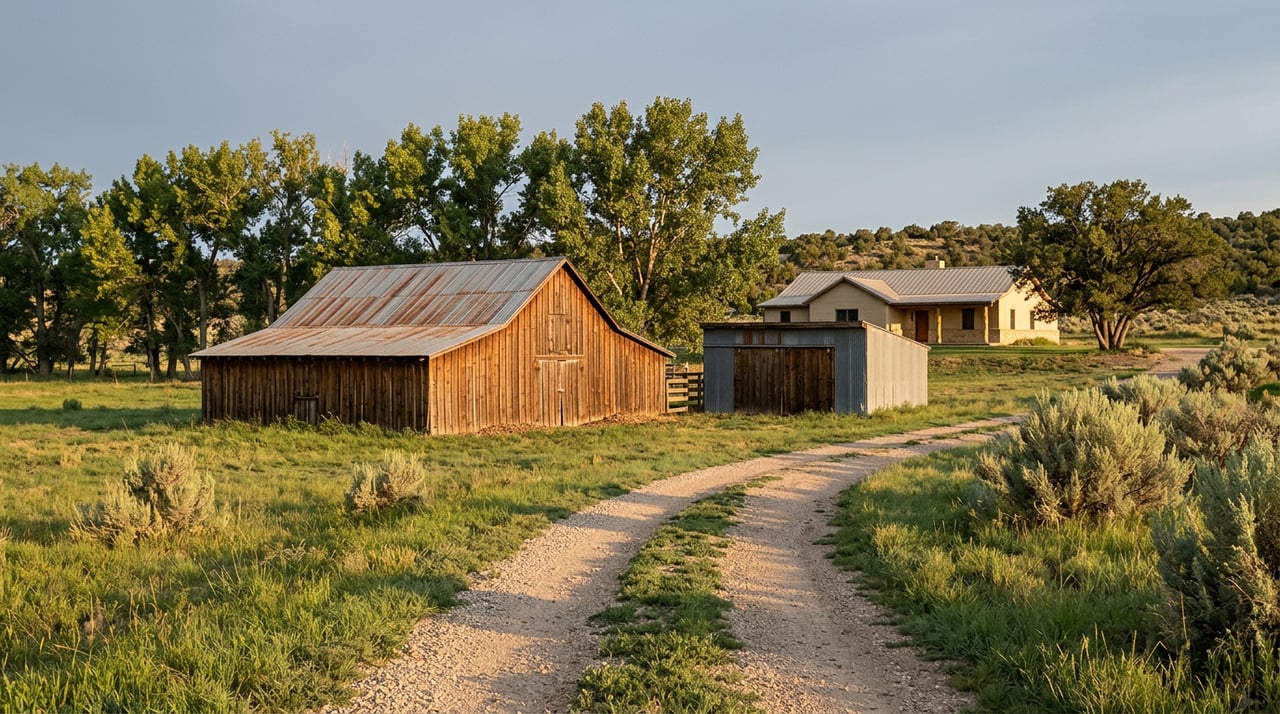
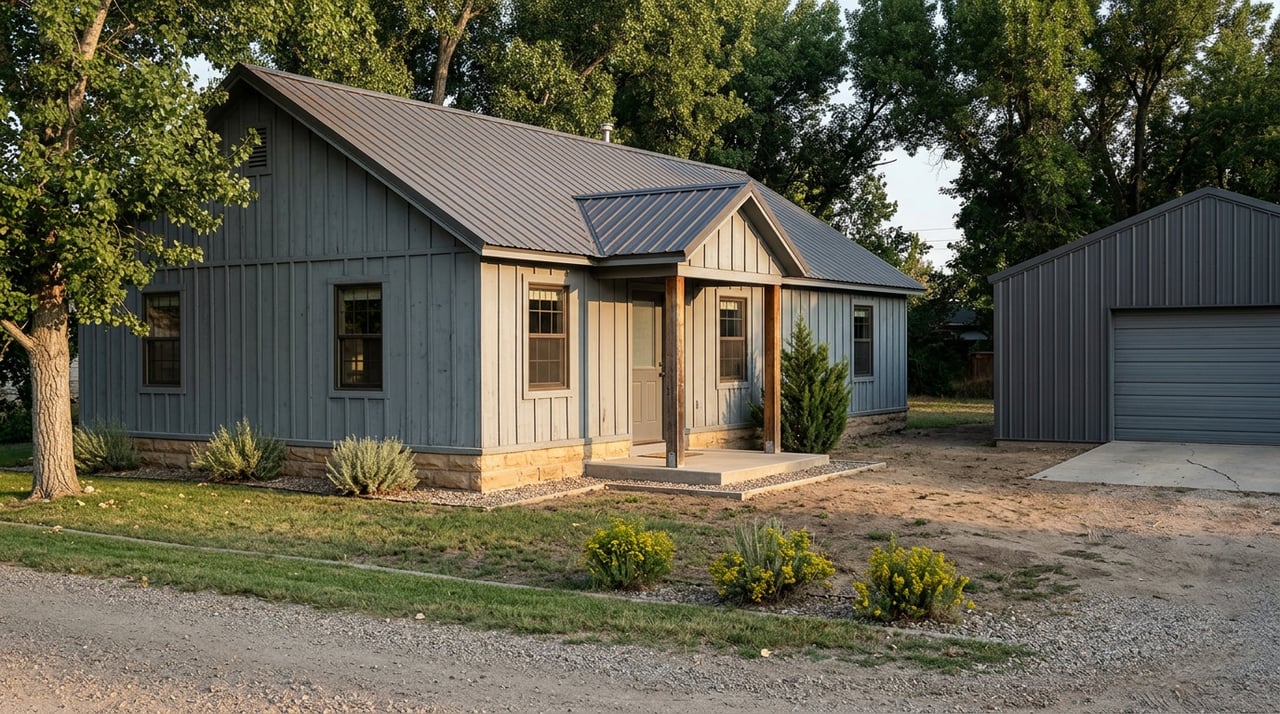
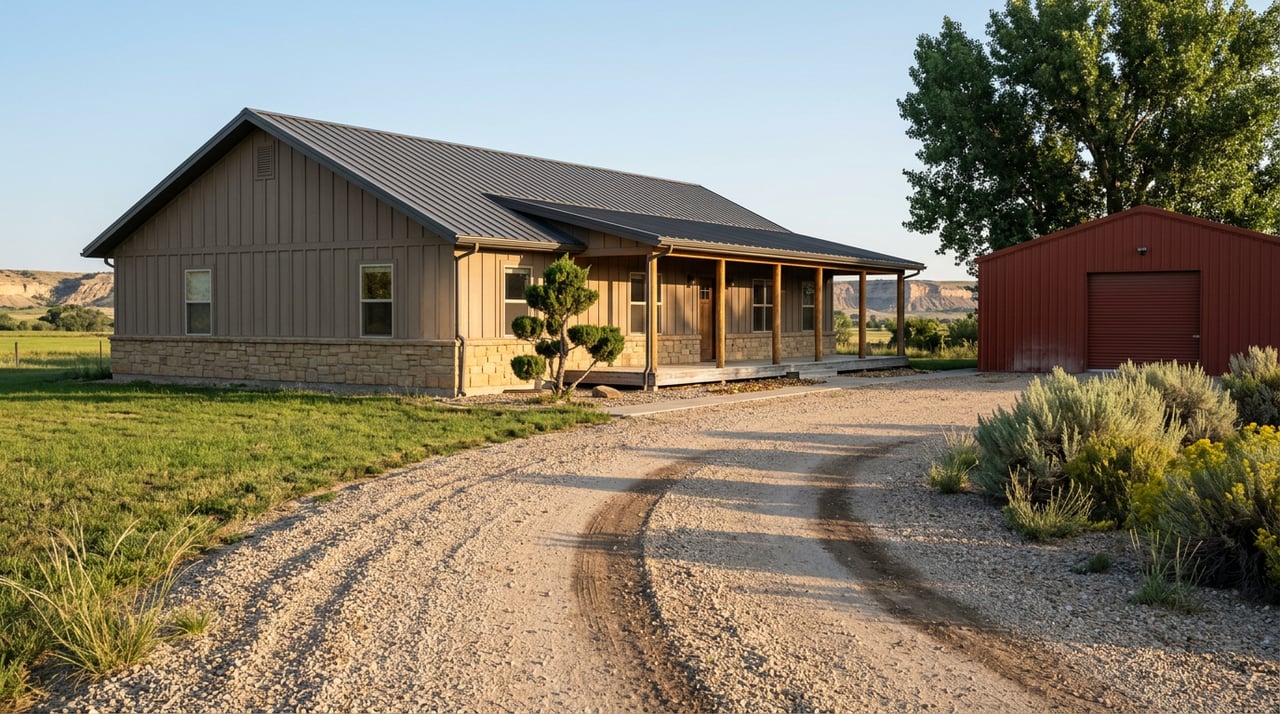
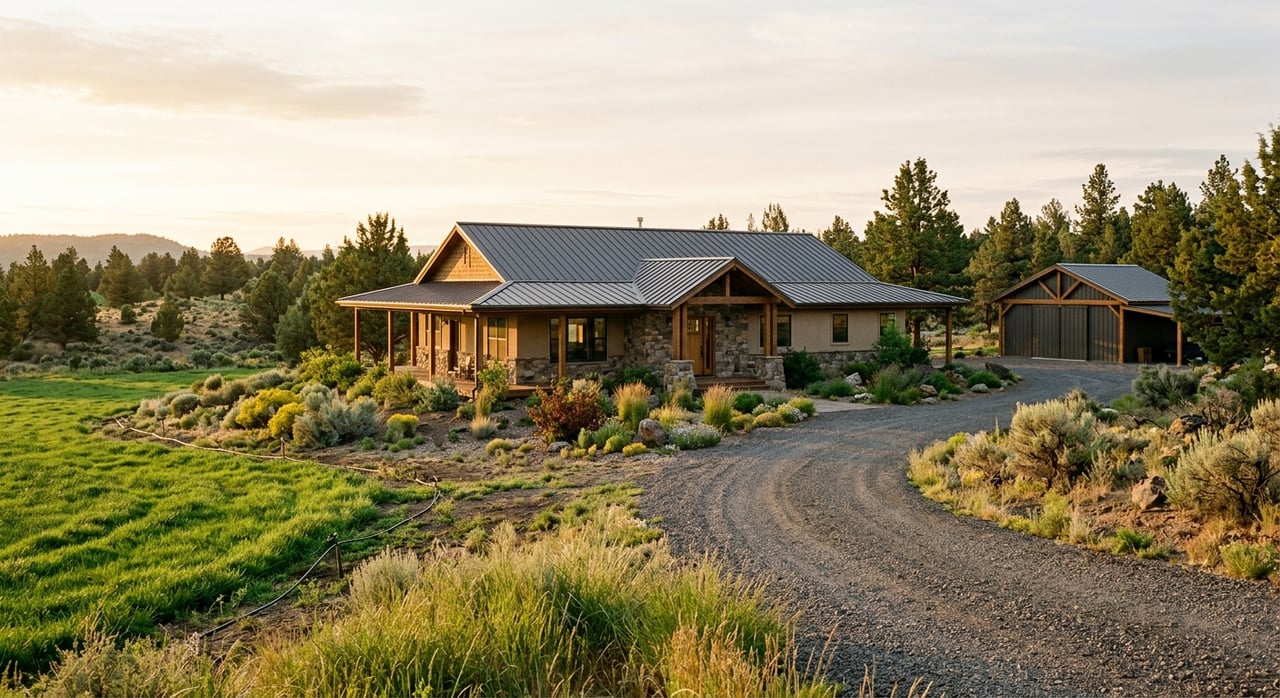
Living in town and living on land near Grand Junction can feel very different, even when the drive between them is short. In town, you are more likely to have municipal services, shorter daily drives, and a more predictable routine. On land in Mesa County, you may gain privacy, elbow room, and a more rural lifestyle, but you also take on more responsibility for access, utilities, and long-term upkeep.
That tradeoff matters because two properties with similar prices can lead to very different day-to-day experiences. A home inside city limits may simplify your schedule. An acreage property may give you more freedom, but it usually asks more of you in return.
Commute and Daily Convenience
If your week is full of work, errands, appointments, and activities, location can shape your routine more than you might expect. Census data shows the average commute in Grand Junction is 15.8 minutes, compared with 18.9 minutes for Mesa County as a whole. That is not a huge gap on paper, but it does suggest that living farther out often adds drive time.
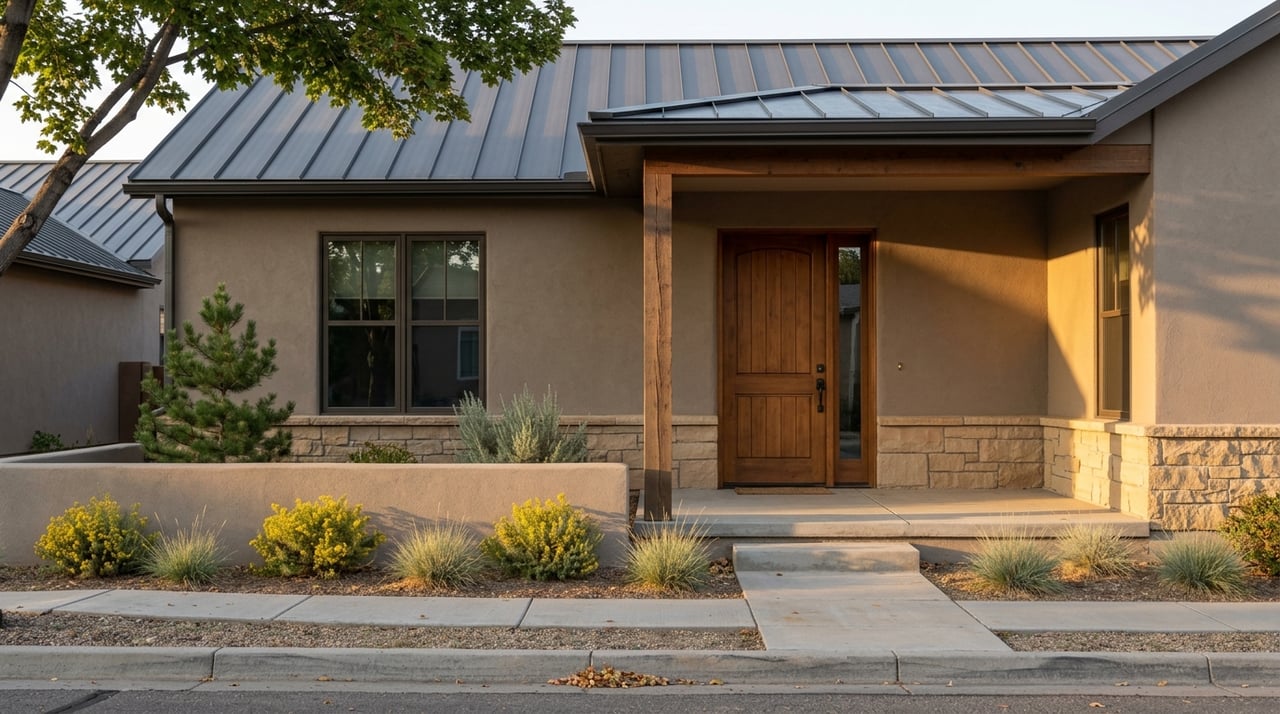
In town, services and transportation options are more concentrated. The City of Grand Junction points residents to downtown parking, active transportation planning, Bustang service, and Amtrak access from downtown. The city also plans for connected sidewalks, paths, and routes for walking and biking within the urban area.
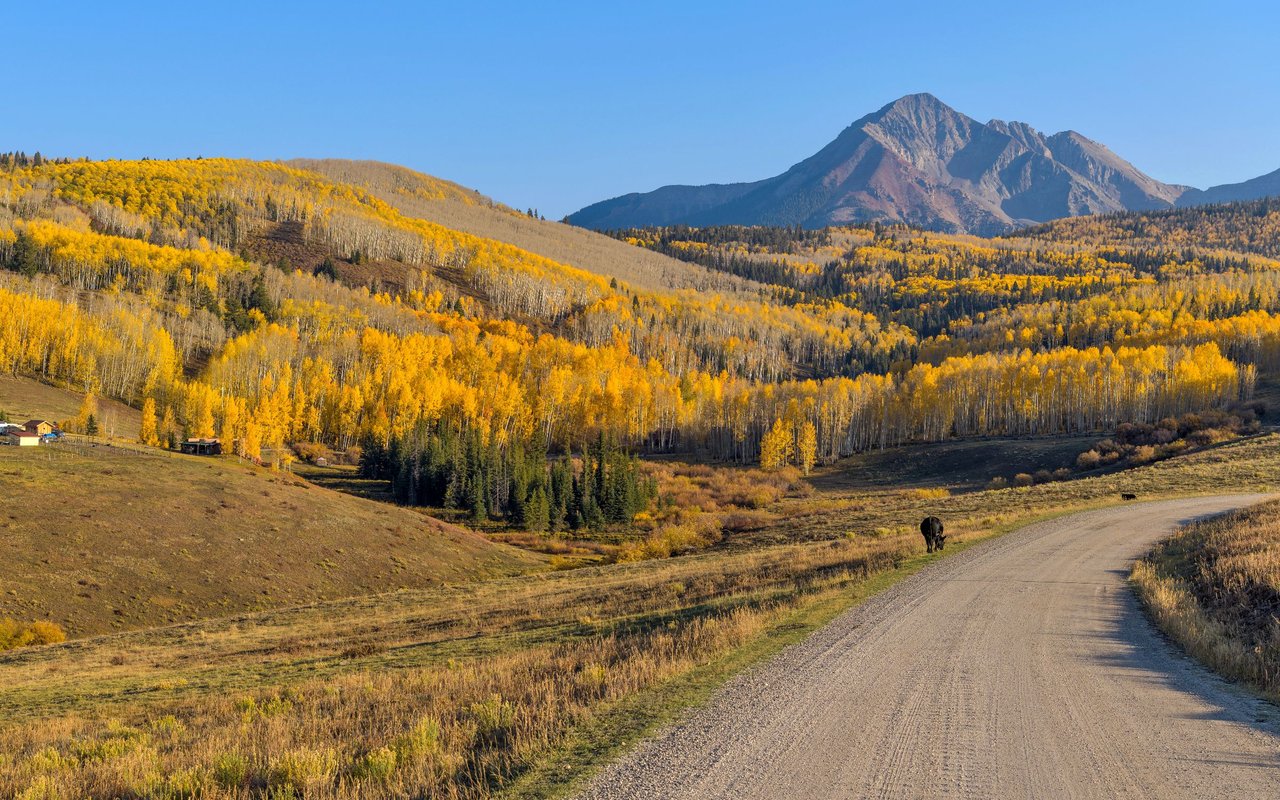
On land, convenience becomes more address-specific. A property may look close enough on a map, but actual access can vary based on road type, weather, and maintenance. Mesa County notes that some rural roads are private, even when they appear public, and snow plowing is not done in subdivisions because there is not enough room to store plowed snow.
Utilities: City Services Versus Self-Management
One of the biggest differences between town living and rural living near Grand Junction is who manages the basics. Inside city limits, the City of Grand Junction provides water, wastewater, trash, and recycling services within defined service areas. That can make homeownership feel more straightforward because fewer systems fall on you to monitor and maintain.
It is important to remember that being near town is not the same as being on city services. Sewer and refuse service are tied to service boundaries and city limits, so a home just outside town may still function more like a rural property. That is why utility verification matters early in your search.
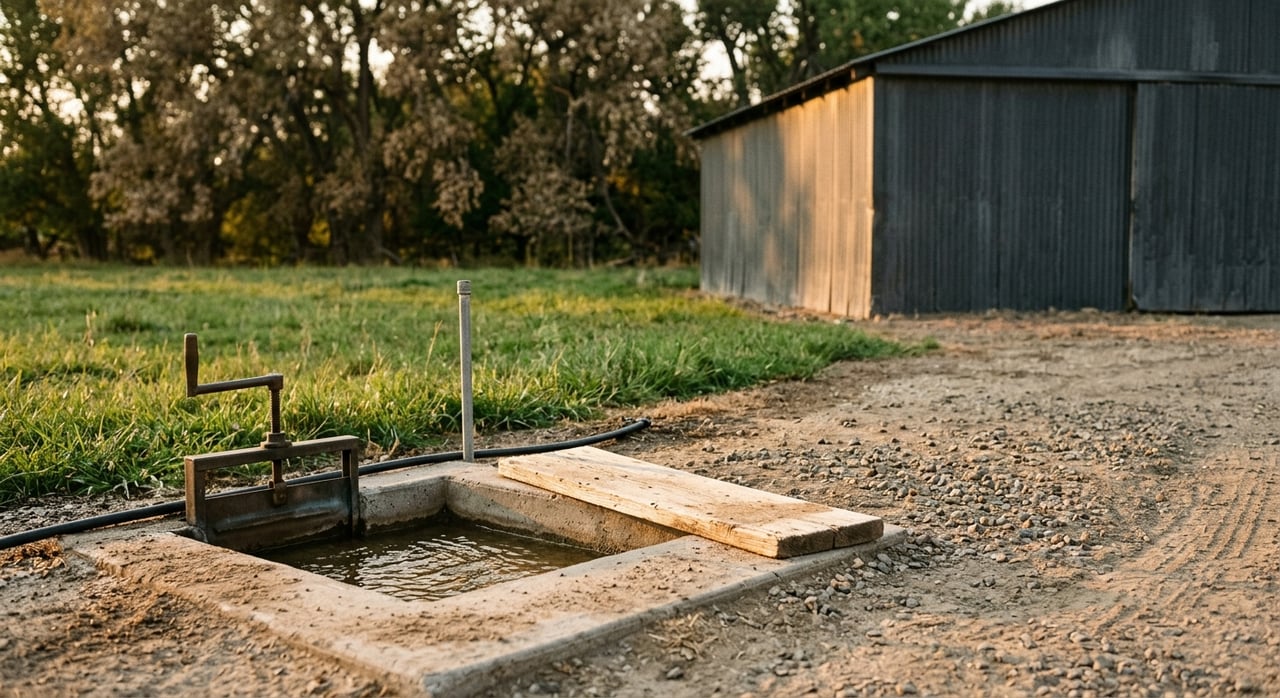
On acreage, the picture often changes. Instead of city water and sewer, you may be dealing with a private well and a septic system. That setup can work well, but it also means you are the one responsible for ongoing oversight.
What Septic Ownership Means
Colorado says onsite wastewater treatment systems with flows of 2,000 gallons per day or less are permitted by local counties. Owners are responsible for operation, maintenance, and repairs. In general, septic systems should be inspected every 1 to 3 years and pumped every 3 to 5 years.
For some buyers, that level of responsibility feels manageable. For others, it becomes one more thing to track, budget for, and understand before buying. This is one of the clearest lifestyle differences between a town property and a land-based property.
What Well Ownership Means
Private wells come with their own responsibilities. Colorado says private wells are not regulated under the federal Safe Drinking Water Act, and the owner is responsible for water testing. The state recommends testing at least once a year.
That means a rural home may offer more independence, but it also asks you to be more involved. In town, water quality and wastewater treatment are mostly utility issues. On land, they are often owner issues.
Water Rights Matter on Acreage
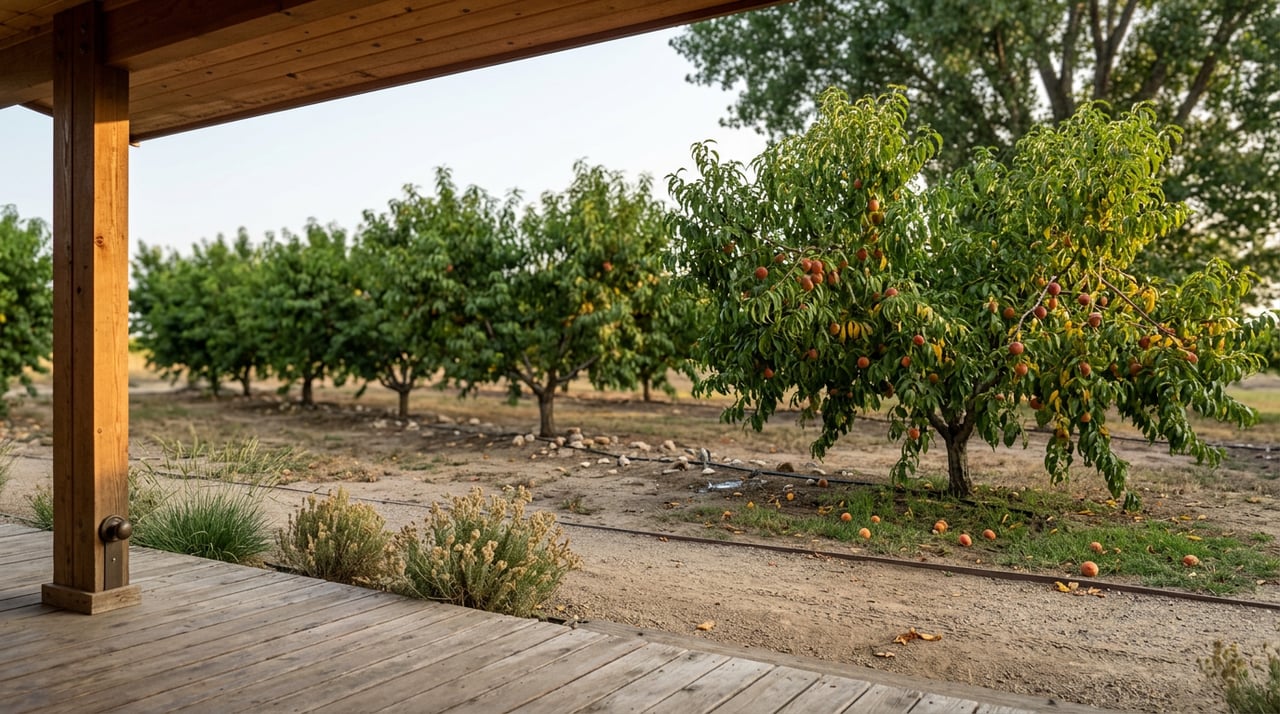
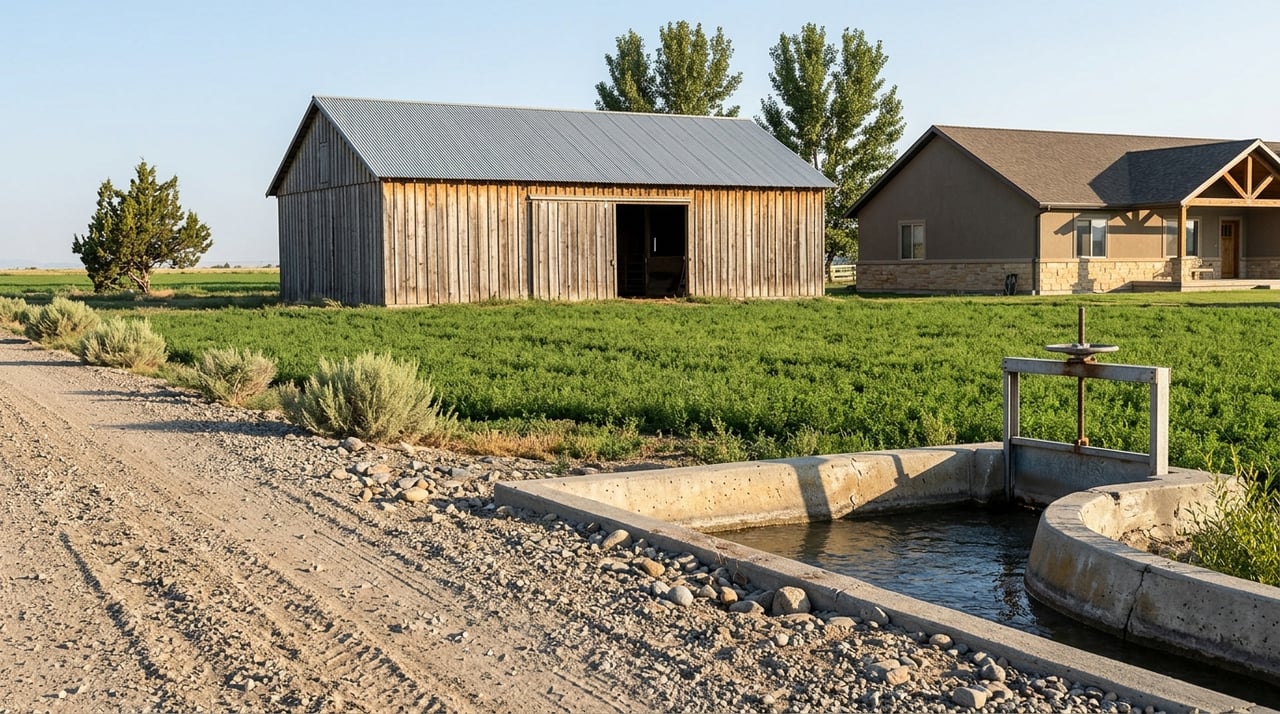
If you are thinking about land for animals, irrigation, gardening, or future use, acreage is not just about how many acres you get. In Colorado, water law follows prior appropriation, which means water use is governed by priority and beneficial use, not simply by land ownership.
That makes water a practical part of evaluating rural property near Grand Junction. If a parcel is irrigated or marketed for land use, you need to understand what water comes with it and what priority it has. This is one area where land expertise can make a big difference in how you evaluate a property’s real-world function.
Maintenance and Workload
Some buyers are drawn to land for the freedom it offers. That can be a great fit, but it helps to understand that more land usually means more ongoing work. The house is only one part of the ownership picture.
In town, maintenance is still part of ownership. Grand Junction requires owners and lessees to keep parcels free of junk and rubbish, and weeds and brush over six inches must be cut down to three inches from the ground. Town living usually means less land management, not no land management.
On land, the workload often expands to include road conditions, dust, fencing, open space, and seasonal access. Mesa County maintains asphalt, concrete, and gravel roads, and its dust-control program shows how much attention low-volume roads can require. If the road is private, maintenance and cost-sharing may work differently.
Rural Road Questions to Ask
Before you buy a property on land, it helps to get clear on access. A few practical questions can save you surprises later:
- Is the road public or private?
- Is it paved, gravel, or subdivision-based?
- Who maintains it?
- What is winter access like?
- Are there shared maintenance costs?
These details can affect your daily routine just as much as the home itself. They also matter for guests, service providers, and delivery access.
Wildfire Readiness Is Part of Rural Ownership
Near Grand Junction, wildfire preparedness is not just a seasonal talking point. Mesa County’s hazard mitigation plan identifies wildfire as a high hazard in the county. The county also notes that fire restrictions may be enacted when conditions become extremely dry.
If you are buying on land, wildfire planning should be part of your decision process. Colorado State Forest Service guidance emphasizes defensible space and property-level preparation. Depending on the property, that could mean more cleanup, vegetation management, and ongoing awareness than you would typically expect in town.
Mesa County also notes that agricultural burning may require a permit. For buyers considering a rural lifestyle, this is another example of how land ownership can involve more active stewardship.
Broadband Can Be Good, But Check the Exact Address
Remote work has made acreage more appealing for many buyers. In both Grand Junction and Mesa County, broadband subscription rates are above 92 percent according to Census QuickFacts. That is encouraging, but it does not guarantee the same service from one property to the next.
In rural areas, broadband still needs to be checked parcel by parcel. A property that feels perfect in every other way may not fit your needs if internet service is limited at the exact address. If you work from home, stream heavily, or rely on connected devices, this should be part of your early due diligence.
Which Lifestyle Fits You Best?
Neither option is better across the board. The better fit depends on what you value most in your daily life and how much property management you want to take on.
In-town living may fit you well if you want:
- More predictable utilities and services
- Shorter average drive times
- Easier access to errands and transportation
- Less hands-on management of water, wastewater, and road access
Living on land may fit you well if you want:
- More privacy and open space
- Room for animals, equipment, or outbuildings
- A more rural lifestyle
- Flexibility for land-based use, with the understanding that upkeep is more involved
For many buyers near Grand Junction, this decision is less about price and more about routine. What looks peaceful and appealing on a showing day still needs to work on a Tuesday morning in January.
A Simple Decision Framework
If you are weighing town versus land near Grand Junction, these five questions can help clarify your direction:
- Do you want city utilities, or are you comfortable managing a well and septic?
- How much additional drive time are you willing to accept?
- Is the road public, private, gravel, or subdivision-based?
- Are you prepared for wildfire mitigation and seasonal restrictions?
- Have you checked broadband at the exact address?
Those questions often reveal more than square footage or list price alone. They help you focus on how a property will actually live, not just how it looks online.
If you are looking at acreage, horse property, or a rural home near Grand Junction, having practical guidance matters. That is especially true when access, water, fencing, and land function are part of the decision. When you want a grounded conversation about what fits your lifestyle, Sorrel Properties is here to help.
FAQs
What is the main difference between living in town versus on land near Grand Junction?
- In town, you are more likely to have municipal services, shorter average commutes, and a simpler daily routine, while living on land often means more privacy and space but more owner responsibility for utilities, access, and upkeep.
Are utility services different for Grand Junction homes in town and rural Mesa County properties?
- Yes. Inside Grand Junction city limits, the city provides water, wastewater, trash, and recycling in defined service areas, while rural properties often rely on private wells and septic systems that the owner must manage.
What should you ask about roads when buying land near Grand Junction?
- You should ask whether the road is public or private, who maintains it, whether it is paved or gravel, what winter access looks like, and whether there are shared maintenance costs.
Is wildfire risk part of buying acreage in Mesa County?
- Yes. Mesa County identifies wildfire as a high hazard, so buyers should consider defensible space, vegetation management, and possible fire restrictions as part of rural ownership.
Do you need to check internet service before buying a rural property near Grand Junction?
- Yes. Even though broadband subscription rates are high in both Grand Junction and Mesa County, service availability can still vary by exact address, so parcel-level checking is important.
Why do water rights matter when buying acreage near Grand Junction?
- In Colorado, water use follows prior appropriation, so owning land does not automatically mean you have all the water use you may expect for irrigation, animals, or other land-based needs.