If you are dreaming about your first place with a little elbow room near Fruita, you are not alone. Acreage can give you more space, more privacy, and more freedom, but it also comes with questions that do not usually show up in a typical in-town home purchase. The good news is that a little clarity upfront can help you buy with confidence and avoid expensive surprises later. Let’s dive in.
Why Fruita-area acreage feels different
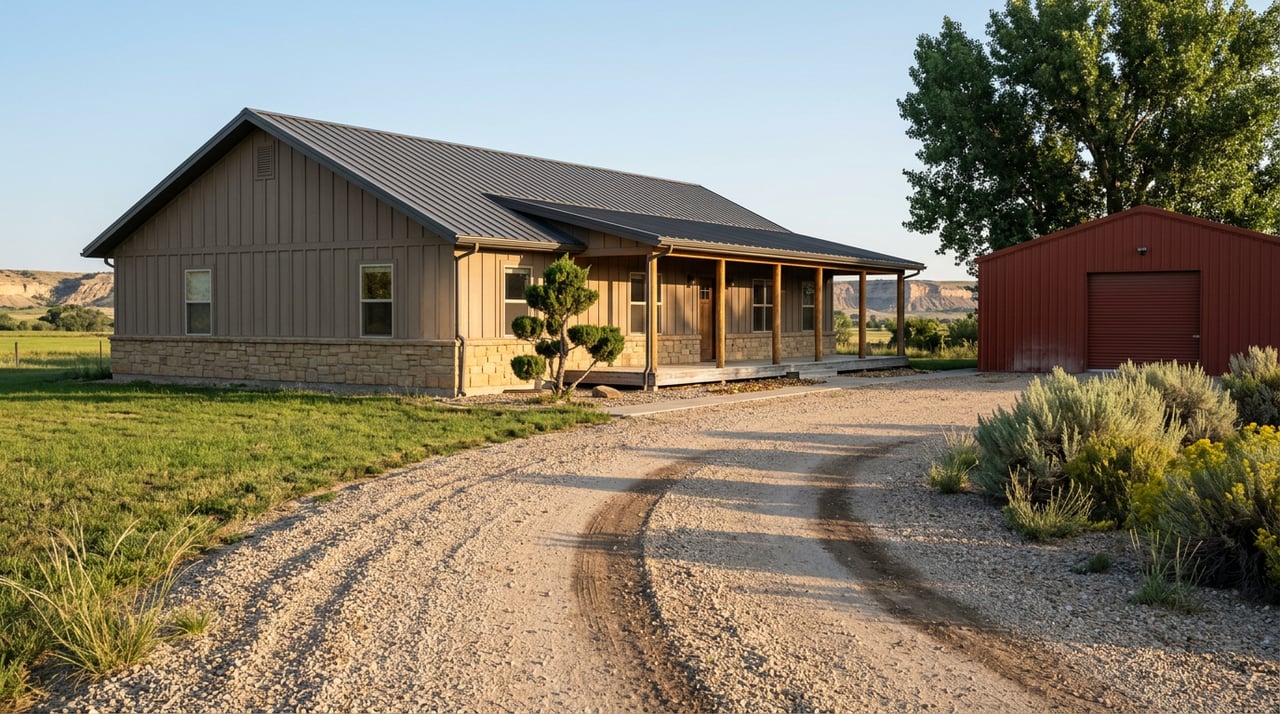
Buying acreage near Fruita often means balancing two goals at once. You may want quick access to town while also wanting room for animals, a shop, a garden, or simply more open space.
That mix is appealing, but the details matter. Near Fruita, the same mailing area can fall under very different rules depending on whether a property is inside Fruita city limits or in unincorporated Mesa County.
Start with jurisdiction first
This is the first question to answer on any Fruita-area acreage property: is it in the City of Fruita or in Mesa County? That single detail affects zoning, utility availability, septic oversight, and animal rules.
Fruita is a home rule city, which means city ordinances and state law can both apply. In unincorporated Mesa County, county land-use processes and county septic rules come into play instead. If you skip this step, it is easy to assume a property works one way when it is actually governed another way.
City parcels and county parcels work differently
In parts of Fruita, city properties may have access to municipal-style services. The city provides irrigation water in parts of its service area and provides sewer, trash, and recycling to most city residents.
County properties can be a different story. Mesa County handles onsite wastewater treatment system permits, clearances, land-use reviews, and inspections for county properties. That means a home near Fruita may feel close to town while still functioning much more like a rural property.
Utilities are never a safe assumption
One of the biggest first-acreage mistakes is assuming utilities based on the address or the look of the property. Near Fruita, utility service should be verified parcel by parcel.
A listing may sit in the Fruita area without having the same service setup as a nearby home. Before you get too far into the process, confirm water source, sewer or septic setup, irrigation availability, and any other essential service details.
Water deserves extra attention in Colorado
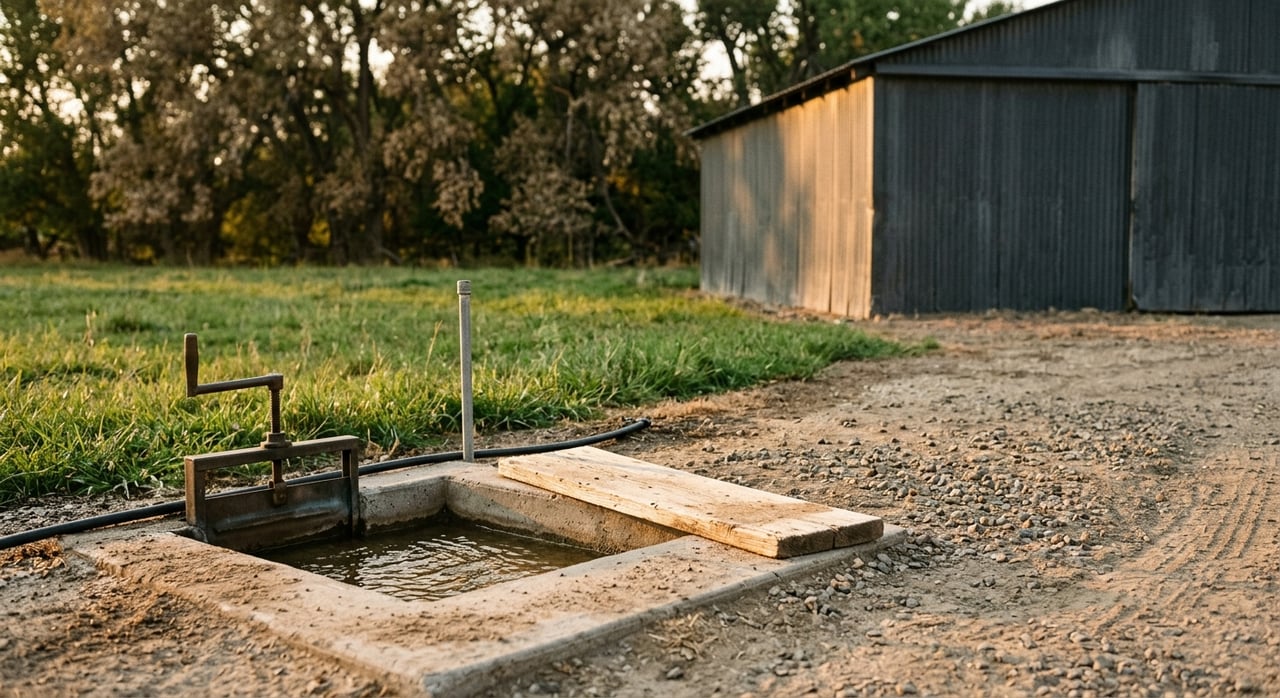
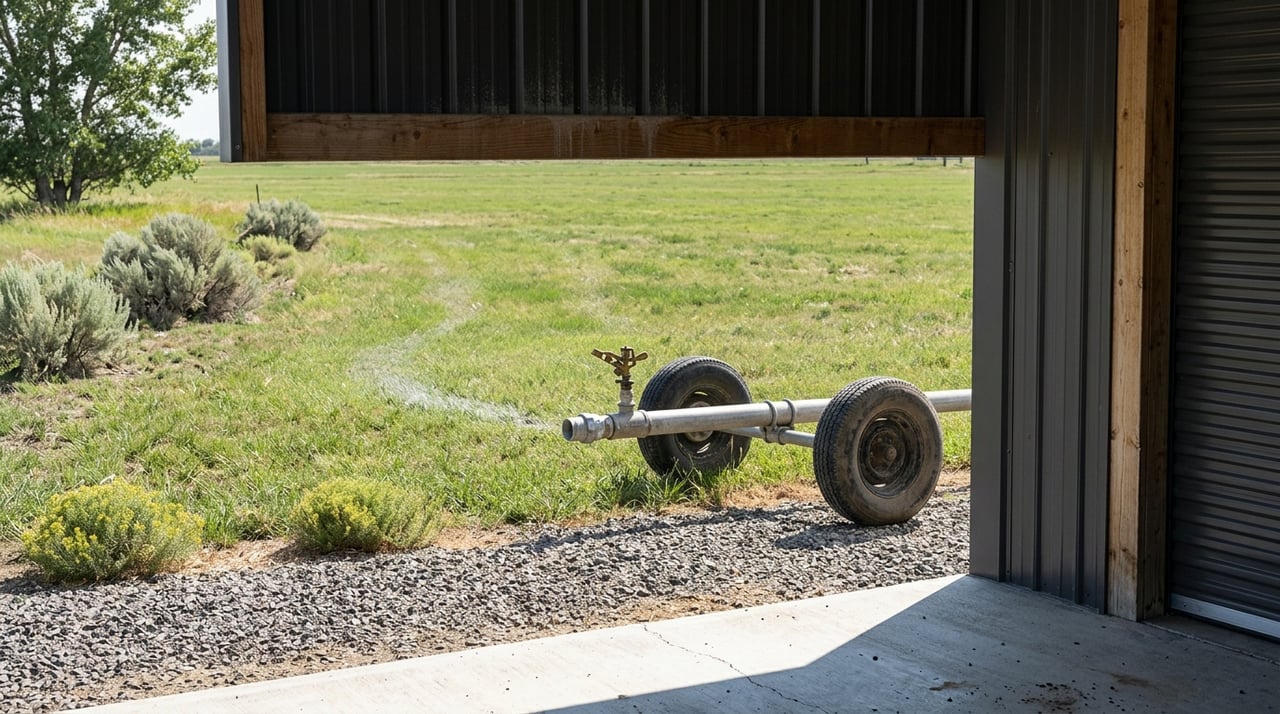
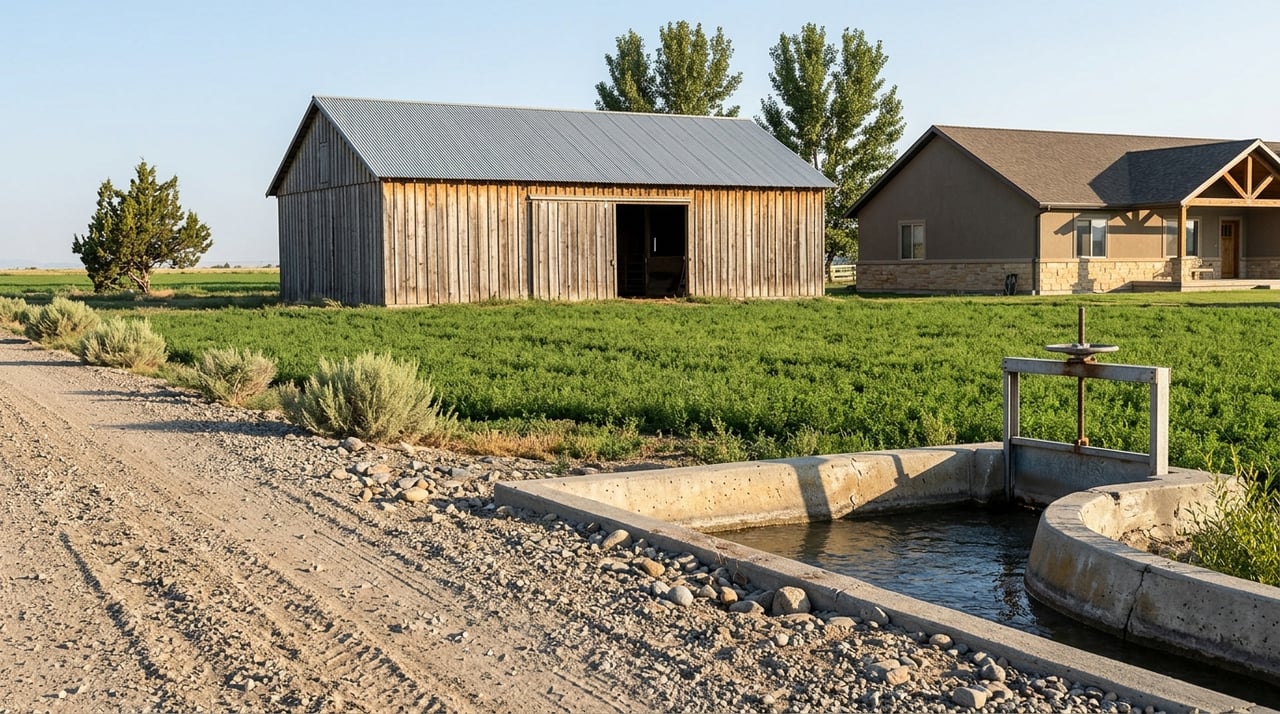
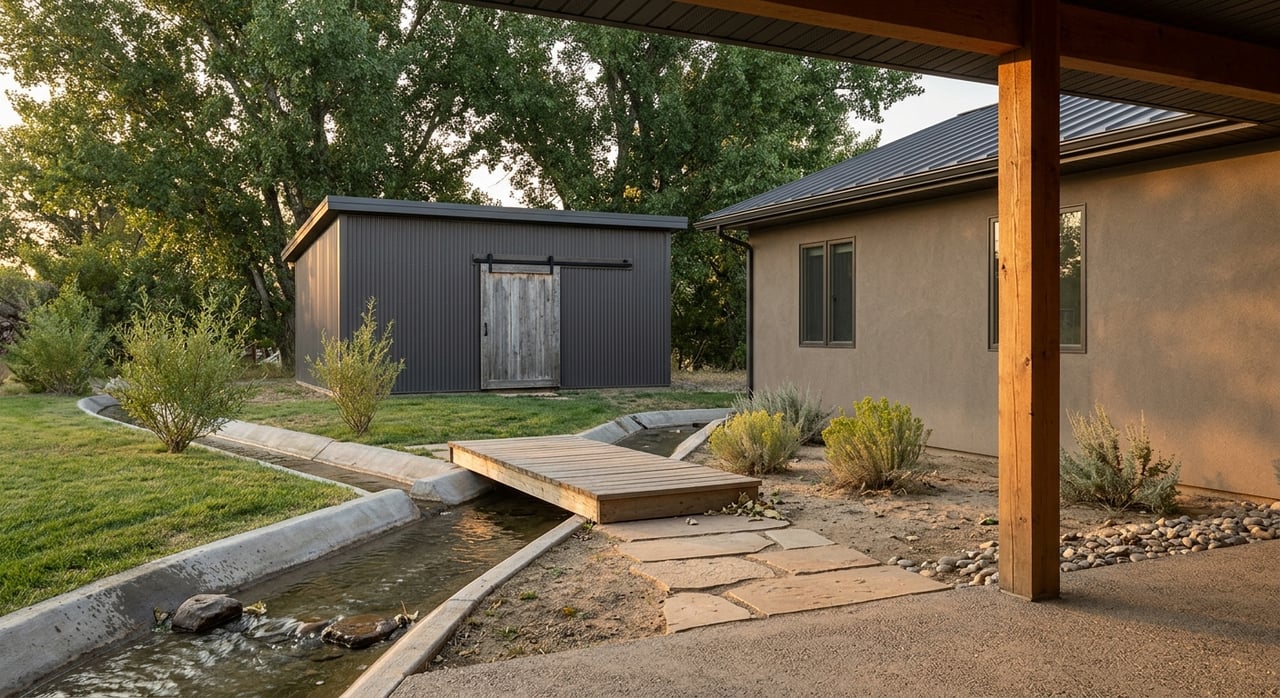
Water questions carry extra weight on acreage. In Colorado, a ditch on the property does not automatically mean you have the right to use that water.
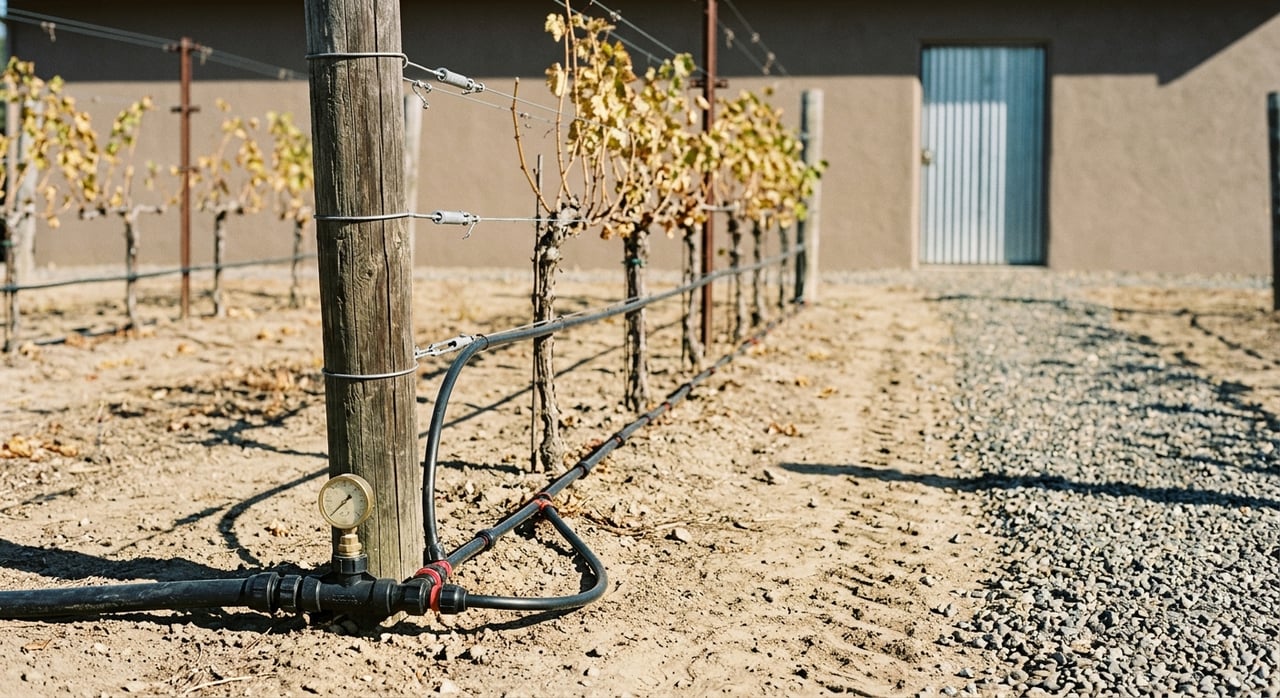
Well permits also matter. Colorado guidance notes that many rural wells are limited to household use only, which may restrict outside watering, gardens, or livestock use unless the permit allows those uses. Every new well that diverts groundwater must have a well permit.
Ask what the property can actually support
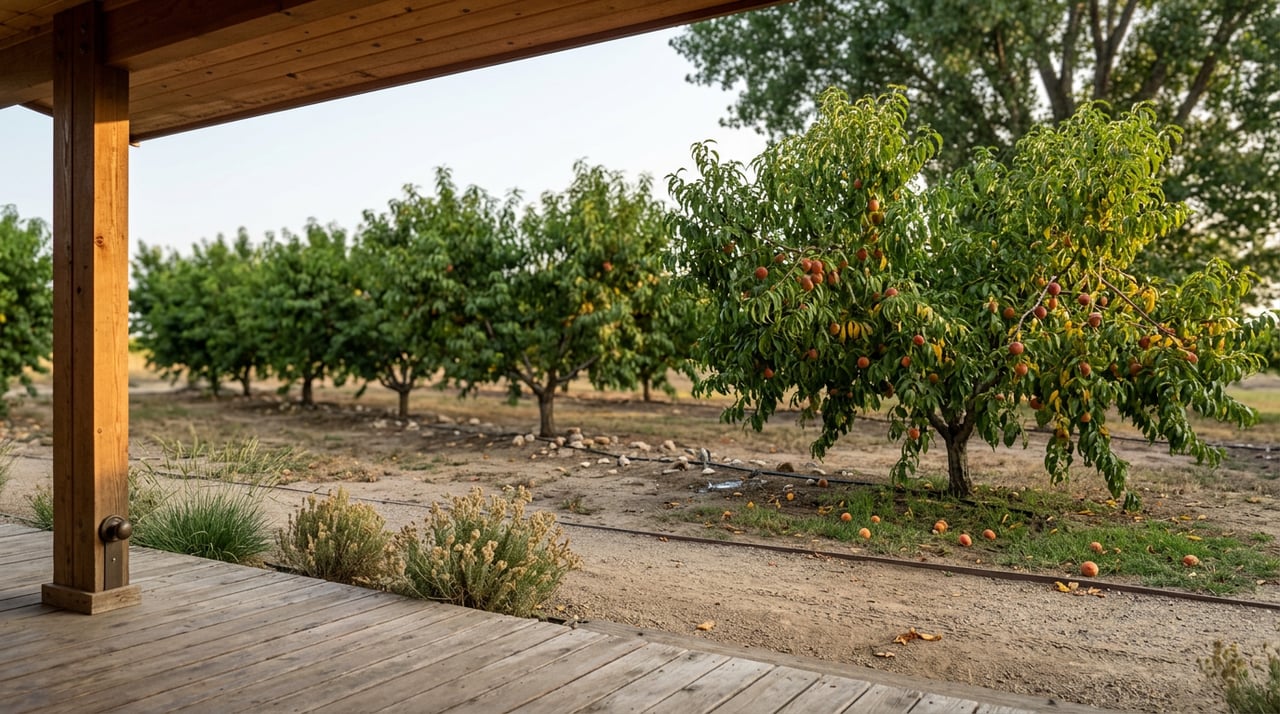
If you picture a garden, irrigated pasture, or animals, ask direct questions early. Where does the water come from? Is there city irrigation water, a private well, ditch access, or some combination?
Just as important, ask what uses are allowed under the permit or service arrangement. A property can look ideal at first glance but still have limits that affect how you plan to live there.
Septic and wastewater should be early checks
For many Fruita-area acreage properties, wastewater is one of the most important due-diligence items. Mesa County’s Septic Department issues OWTS permits and clearances, reviews land-use applications where an OWTS is proposed, and coordinates installation inspections through the county building department.
That makes septic records, permit history, inspection status, and repair needs key questions from the start. These are not details to save for the last week before closing.
What buyers should verify
If a property uses an OWTS or septic system, ask for:
- Permit records
- Inspection history
- Clearance status
- Age of the system
- Any known repairs or replacement needs
Mesa County also provides septic inspections for each jurisdiction and unincorporated Mesa County. For a first-time acreage buyer, that makes wastewater paperwork one of the clearest places to start asking questions.
Access can be more complicated than it looks
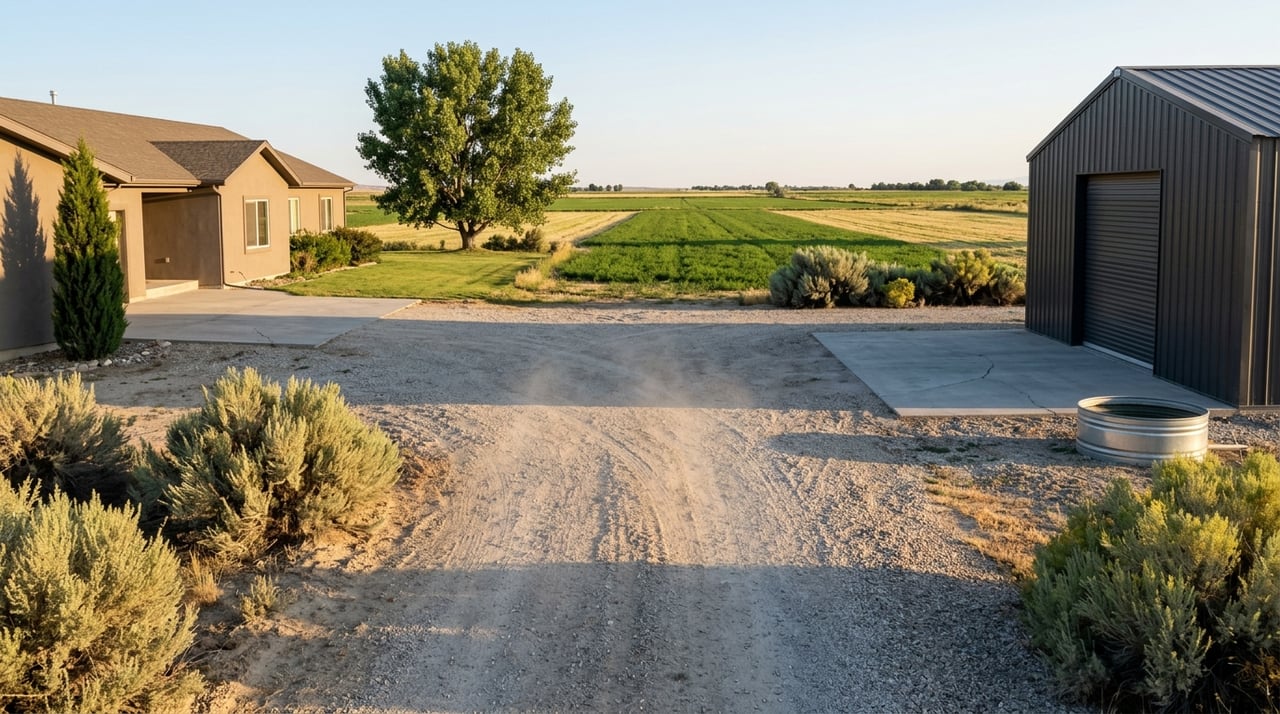
A long driveway and wide-open setting can feel simple, but legal and physical access should be confirmed early. Mesa County’s site-plan materials require easements, rights-of-way, property lines, streams, drainages, septic systems, and leach fields to be shown.
The county also notes that site-plan approval does not itself approve access to public roads. If a driveway permit is needed, Traffic Services may be involved.
Do not assume the driveway tells the full story
A visible driveway is not the same as fully documented access. On acreage, you want to understand whether access is legal, whether easements affect use, and whether any additional permits are needed for future plans.
This matters even more if you hope to add a shop, barn, arena, or other improvements later. Good access is part of how a property lives and works day to day.
Financing acreage often takes more planning
Acreage purchases can follow a different path than a standard subdivision home. Research cited in this report shows that many closed-end transactions secured by real property, including loans secured by vacant land or 25 or more acres, follow specific disclosure timing rules under TRID.
For buyers, the practical takeaway is simple: talk to lenders earlier and expect more parcel-specific questions. Rural and land-based properties often need more documentation.
Why lenders ask more questions
Lenders and appraisers tend to look closely at rural properties because the property itself may be more complex. Guidance in the research report notes that appraisals for rural properties often focus on zoning, present land use, and recent comparable sales.
If public water or sewer is not available, private well and septic usability also become important. That is one reason acreage buyers should be ready for extra review around infrastructure, site features, and property use.
USDA programs may matter for some buyers
USDA Rural Development offers single-family programs that can be relevant in eligible rural areas. The Guaranteed Loan Program can offer 100% loans to qualifying rural homebuyers, and the Direct Home Loan program is designed for eligible low- and very-low-income buyers.
The research report also notes that these programs focus on properties that are modest, predominantly residential, and not principally income-producing. Site conditions such as all-weather road access and adequate water and wastewater systems also matter.
Horses and livestock are not just an acreage question
A common first-acreage assumption is that more land automatically means more animal options. Near Fruita, that is not how it works.
Inside Fruita city limits, animal rules are zone-specific and tied to accessory use rules, acreage thresholds, and in some cases permit requirements. In unincorporated Mesa County, animal capacity is also zoning-specific and measured in animal units per acre rather than by a simple yes-or-no acreage rule.
Fruita city rules are detailed
Fruita’s code allows some larger animals in certain zones with no limit, but that can depend on a 10-acre threshold. Other zones use conditional-use permits or per-acre limits.
Goats, sheep, pigs, miniature horses, and chickens have their own caps and permit triggers. So if your goal is horses, small livestock, or backyard poultry, the answer depends on the zoning district and the exact animal type.
Mesa County uses animal units
In unincorporated Mesa County, the county code measures capacity in animal units per acre. The standard cited in the research report is 4 animal units per acre in certain rural and residential districts, including some parcels under 10 acres and some 10-plus-acre parcels, subject to review for right-to-farm compliance.
That is why acreage alone does not tell you what you can keep. You need the zoning, the parcel size, and the actual county standard that applies.
Rural lifestyle fit matters too
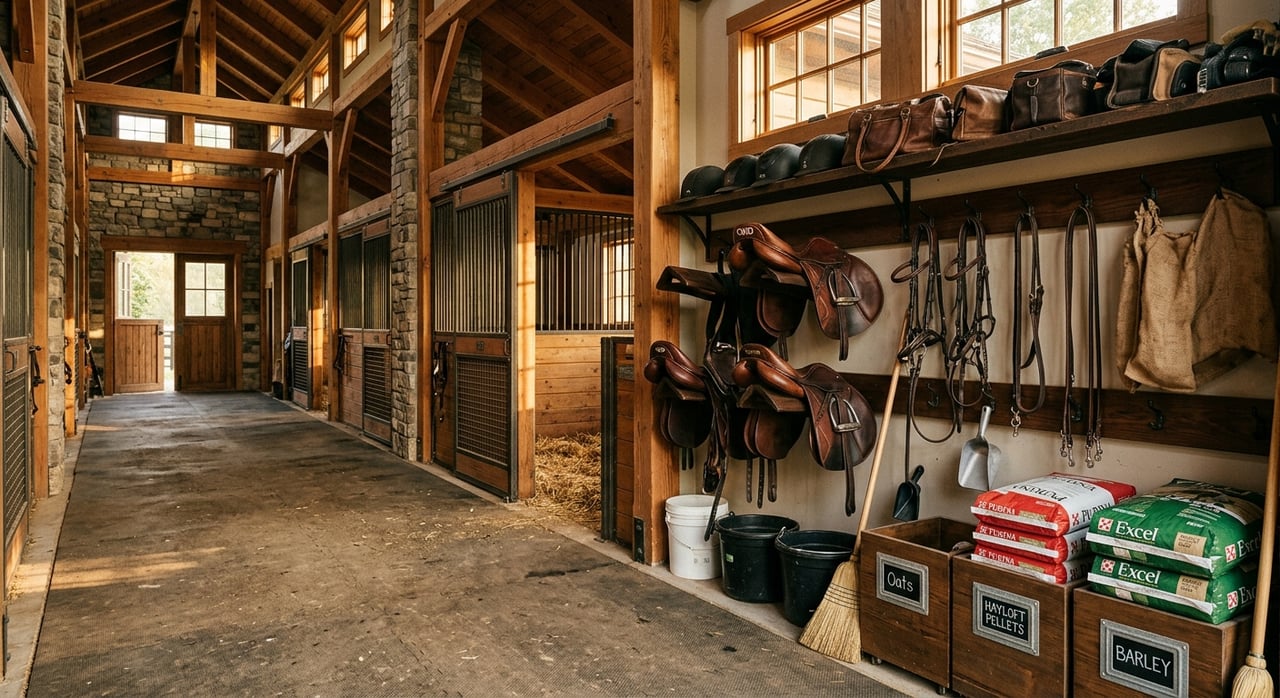
Even when animals are allowed, ownership comes with practical demands. CSU Extension materials highlighted in the research report point to fencing, manure management, pasture condition, poisonous plants, grazing, and water planning as important parts of small-acreage ownership.
This is where buying the right setup matters just as much as buying enough land. A workable property is about function, not just size.
Fencing can surprise first-time buyers
Colorado is commonly described as a fence-out state. CSU Extension explains that if you do not want livestock on your property, you generally need to build a fence to keep them out.
For first-time acreage buyers, that can be a meaningful shift from in-town ownership. Fence condition, layout, maintenance needs, and suitability for your intended use are worth evaluating before you close.
A smart first-acreage checklist near Fruita
If you want town convenience with country space, start with the basics that shape daily use and long-term cost.
Here is a practical checklist to use as you compare properties:
- Confirm whether the parcel is in Fruita or unincorporated Mesa County
- Verify zoning and allowed uses
- Check water source and any well permit limits
- Ask whether irrigation water is available
- Review septic or OWTS permits, inspections, and clearance records
- Confirm legal access, easements, and any driveway permit issues
- Ask how the property is likely to be viewed by lenders and appraisers
- Verify animal rules based on zoning and parcel size
- Look closely at fencing and overall land functionality
Why the right guidance matters
Your first acreage purchase near Fruita should support the life you want to build, not just the photo that caught your eye online. The best properties are the ones where space, access, water, wastewater, and allowed uses all line up with your plans.
That is especially true in Western Colorado, where land can be both beautiful and highly specific. A steady, practical approach can help you sort through the details and move forward with more confidence.
If you are exploring acreage near Fruita and want help evaluating how a property will actually live and work, Sorrel Properties is here to help you make sense of the details.
FAQs
What should first-time acreage buyers check first near Fruita?
- Start by confirming whether the property is inside Fruita city limits or in unincorporated Mesa County, because that affects zoning, utilities, septic oversight, and animal rules.
Can you keep horses on acreage near Fruita?
- Maybe, but it depends on the zoning district, parcel size, and whether the property is in Fruita or Mesa County, since both use detailed animal rules rather than a simple acreage standard.
Do acreage homes near Fruita always have septic systems?
- No. Some parcels may have city sewer, while others rely on an onsite wastewater treatment system, so you should verify the wastewater setup for each property.
What water questions matter most on Fruita-area acreage?
- Ask where the water comes from, whether there is a well permit, whether irrigation water is available, and what uses are actually allowed for outside watering, gardens, or livestock.
Is financing different for acreage properties near Fruita?
- It can be, because lenders and appraisers often need more parcel-specific information on rural properties, especially around zoning, access, water, and wastewater.
Does a ditch on a Fruita-area property mean you can use the water?
- No. The research report notes that a ditch crossing the property does not automatically give you the right to use that water.