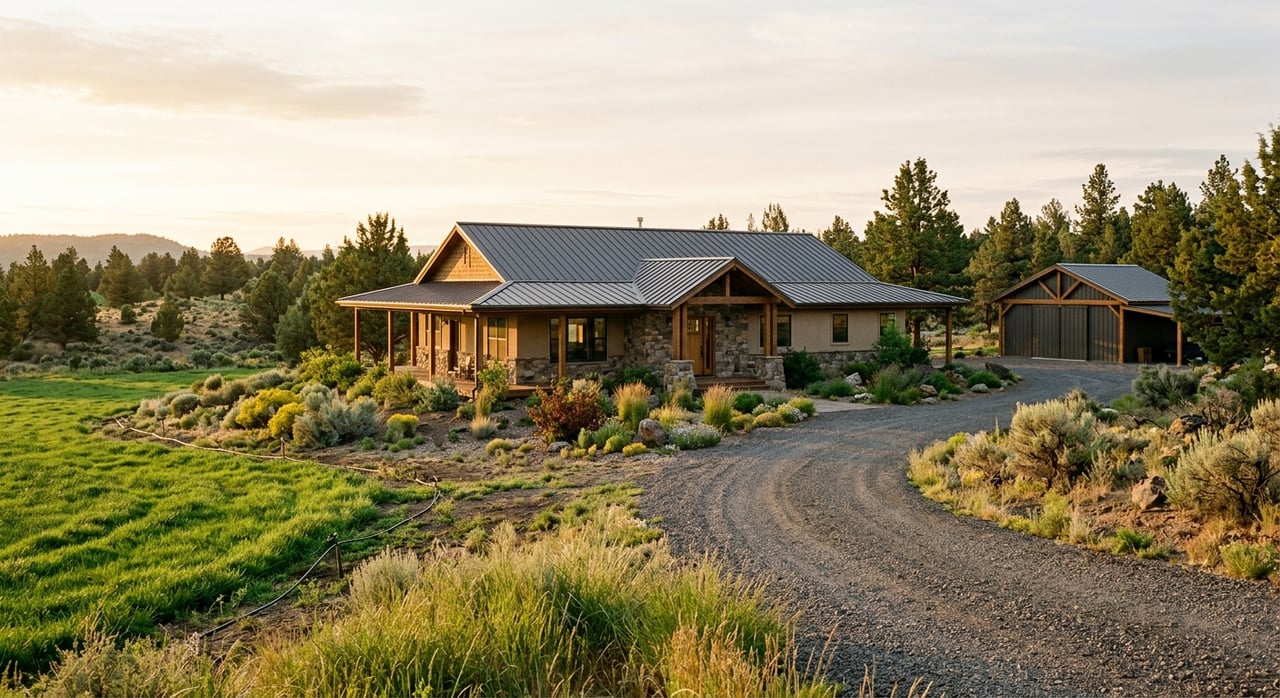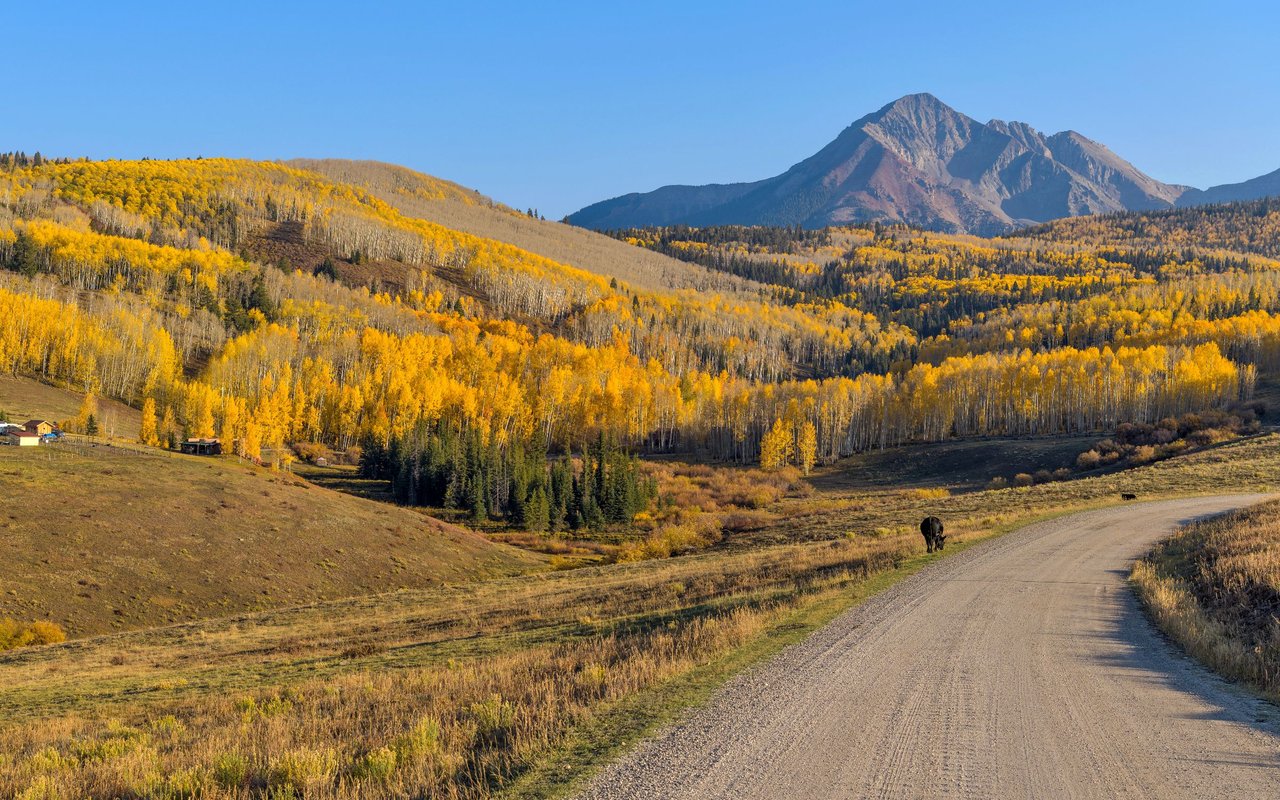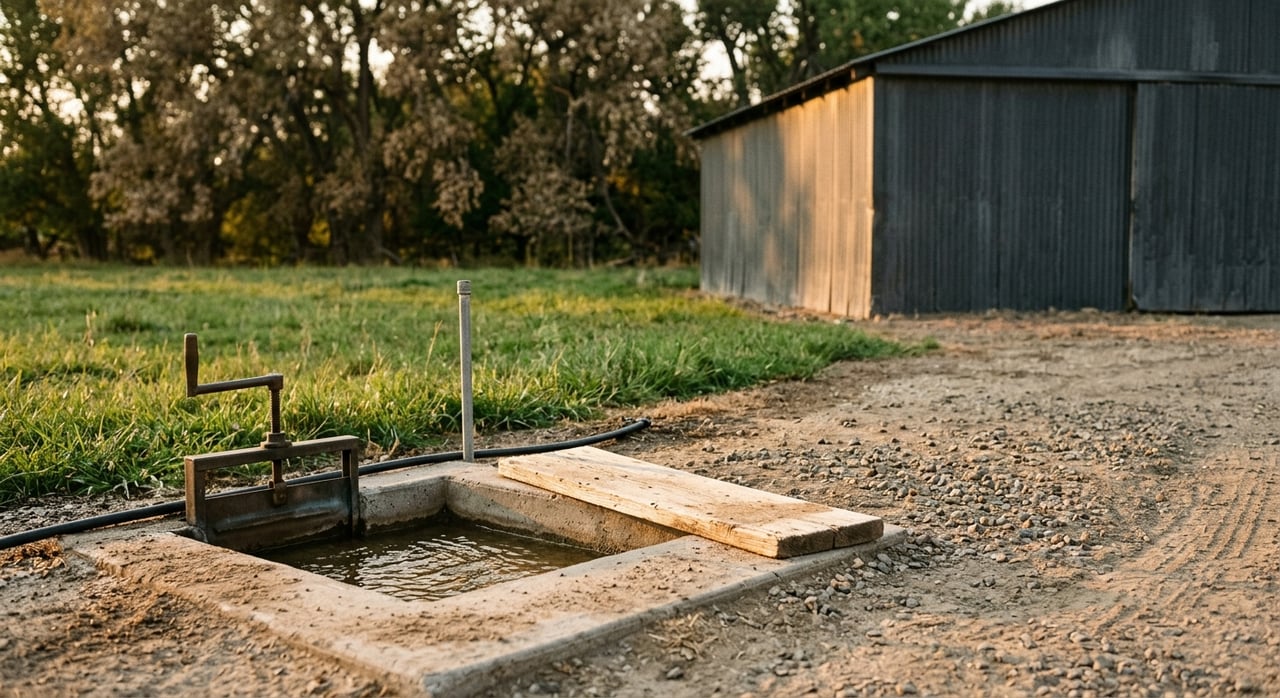
If you own acreage in Mesa County, you already know one simple truth: not all land is valued the same. A 40-acre parcel with irrigation, access, and usable ground can sit in a very different price range than a 40-acre tract that is raw and remote. If you are thinking about selling, refinancing, holding, or just trying to understand where your property fits today, this snapshot will help you see the market more clearly. Let’s dive in.
Mesa County land market at a glance
Mesa County is a large rural county spanning about 3,313 square miles, and about 70% of it is public land. Grand Junction accounts for roughly 42% of the county population, and county growth in recent years has increasingly been driven by net migration. That matters because big acreage numbers can be misleading when so much of the county is not privately developable.
For most owners, the takeaway is practical. In Mesa County, the most marketable acreage is often land that is usable, accessible, and closer to the Grand Valley, not simply land that is larger on paper.
Current inventory shows a mixed market
Broad land listing data points to an active market, but not a single uniform one. Third-party listing data shows 643 Mesa County land listings totaling 20,710 acres, with a median list price of $812,450, a median price per acre of $17,947, and 95 days on market.
That top-line number is useful, but it has limits. These figures are directional rather than a complete county transaction count, and they reflect listing portal methods rather than an official local sales census.
Raw land is moving differently
Undeveloped land tells a different story from the broader land market. Current listing data shows 97 undeveloped land listings with 1,033 acres for sale, a median list price of $395,000, a median price per acre of $10,856, and 178 days on market.
That longer timeline suggests something many acreage owners already sense. Raw land can attract buyers, but it often takes more patience than land with clearer utility or improvements.
Residential acreage has a deeper buyer pool
Residential land appears to be one of the deeper submarkets in Mesa County. Listing data shows 543 residential land listings totaling 10,696 acres, with an average list price of $737,142, an average cost of $37,423 per acre, and an average listing age of 188 days.
This category includes homesites, country lots, and acreage near existing neighborhoods. In plain terms, parcels that are easier for buyers to picture and use often attract a wider audience than larger specialty tracts.
Farms, ranches, and horse properties take more precision
More specialized land types tend to have a narrower buyer pool. Current listing data shows 183 rural properties with an average listing age of 136 days, 119 farms at 165 days, 27 ranches at 224 days, and 44 horse properties at 160 days.
Average list prices also climb as the property becomes more specialized. Rural land averages about $858,282, farms about $1,228,194, ranches about $1,677,996, and horse properties about $1,365,241. The broad pattern is that larger and more operationally complex properties usually need more precise pricing and more time to sell.
Acreage alone does not determine value
If you are trying to estimate what your property might be worth, acreage size is only one piece of the picture. Recent sold vacant-land examples in Mesa County show a wide spread in per-acre pricing.
Examples include a 39.78-acre lot that sold for $60,000, or about $1,508 per acre, and a 20.5-acre lot that sold for $205,000, or $10,000 per acre. Other recent sales ranged from roughly $2,375 per acre to about $8,955 per acre, with a 105.09-acre lot selling for $910,000, or about $8,659 per acre.
That kind of spread tells you something important. Two properties with similar acreage can have very different market value based on usability, location, access, and improvements.
Improved acreage is a different pricing category
Improved acreage can look very different from raw land. Recent examples show a 35.81-acre property with a home selling for $580,000, while horse-property listings include examples such as a 5.16-acre equestrian property at $1.7 million, a 12-acre horse property at $970,000, a 40-acre agricultural home site at $1.75 million, and a 140-acre home-and-land property at $1.695 million.
These examples suggest that buyers are not just paying for acreage. They are often paying for water, infrastructure, access, improvements, and a property’s intended use.
What Mesa County owners should watch closely
If you own acreage in Mesa County, your property’s strongest value drivers may have less to do with size than function. Buyers tend to look closely at how land can be used in real life, not just how many acres show up on a listing.
Here are some of the factors that can shape how your property fits the market:
- Access: Road access and ease of reaching the property matter.
- Usability: Flat, productive, or build-friendly ground often appeals to more buyers.
- Water: Irrigation and other water-related features can strongly affect value.
- Improvements: Homes, barns, fencing, shops, and equestrian setups can change the pricing category.
- Location: Land closer to established areas in and around the Grand Valley may attract broader interest.
- Property type: Raw land, farm ground, horse property, and ranch land do not compete in the same way.
For many owners, this is the heart of the market right now. Mesa County appears to favor usable acreage over acreage alone.
County classifications matter more than many owners realize
Mesa County’s assessor classifies vacant land in acreage bands such as under 1 acre, 1 to 5 acres, 5 to 10 acres, 10 to 35 acres, 35 to 100 acres, and 100-plus acres. Agricultural land is also broken into subclasses such as irrigated, dry farm, meadow hay, grazing, orchard, and farm or ranch support.
That structure matters because it gives owners a better framework for comparing property value. Two 40-acre parcels may look similar by size, but if one has irrigation, fencing, or productive ground and the other does not, they may belong in very different pricing buckets.
Assessed value and market value are not the same
If you are reviewing your tax notice or thinking through timing, it helps to know how Mesa County handles valuations. The assessor reappraises real property every odd-numbered year, with an appraisal date of June 30 of the prior year. The valuation data window covers the 18 months ending on that date.
That means your assessed value may not line up exactly with a current market opinion. If you are considering a sale, refinance, or an appeal, it is smart to compare your property against public sales data and against similar land types, not just a countywide average.
What this means for acreage owners now
The Mesa County land market is still active, but it is not one-size-fits-all. Raw land, homesites, farm ground, ranches, and horse properties each move on their own timeline and attract different buyers.
If your property has strong usability, water, access, or meaningful improvements, it may sit in a much stronger position than acreage size alone would suggest. If it is larger, more remote, or more specialized, pricing and marketing strategy become even more important.
For owners who care about land, lifestyle, and legacy, a good market snapshot should do more than throw out an average price. It should help you understand how your specific property lives, works, and competes in Mesa County today.
If you want grounded guidance on how your acreage fits the current Mesa County market, Sorrel Properties can help you look at the land through a practical local lens.
FAQs
How active is the Mesa County land market right now?
- Third-party listing data shows 643 land listings totaling 20,710 acres, with a median list price of $812,450 and 95 days on market, which points to an active but varied market.
How long does undeveloped land take to sell in Mesa County?
- Current listing data shows undeveloped land at 178 days on market, which suggests raw land often takes longer to sell than more usable or improved acreage.
What affects Mesa County acreage value besides size?
- Recent listings and sales suggest value often depends on usability, water, access, location, and improvements such as homes, fencing, barns, or equestrian facilities.
Why can two 40-acre parcels have very different prices in Mesa County?
- Mesa County classifies land by acreage and agricultural use, and market examples show that irrigation, access, productivity, and improvements can place similar-sized parcels in very different value ranges.
Does assessed value match market value for Mesa County land?
- Not always. Mesa County reappraises real property every odd-numbered year using a valuation window tied to the prior appraisal date, so assessed value may differ from what the current market would support.