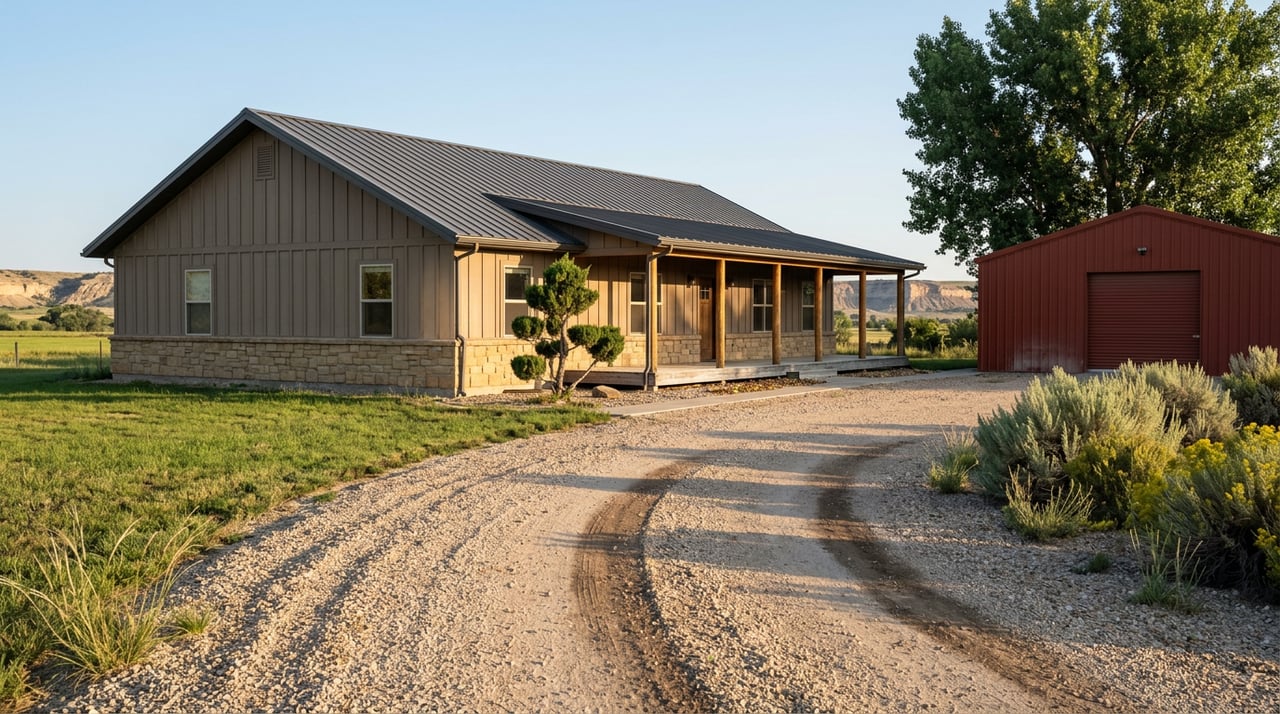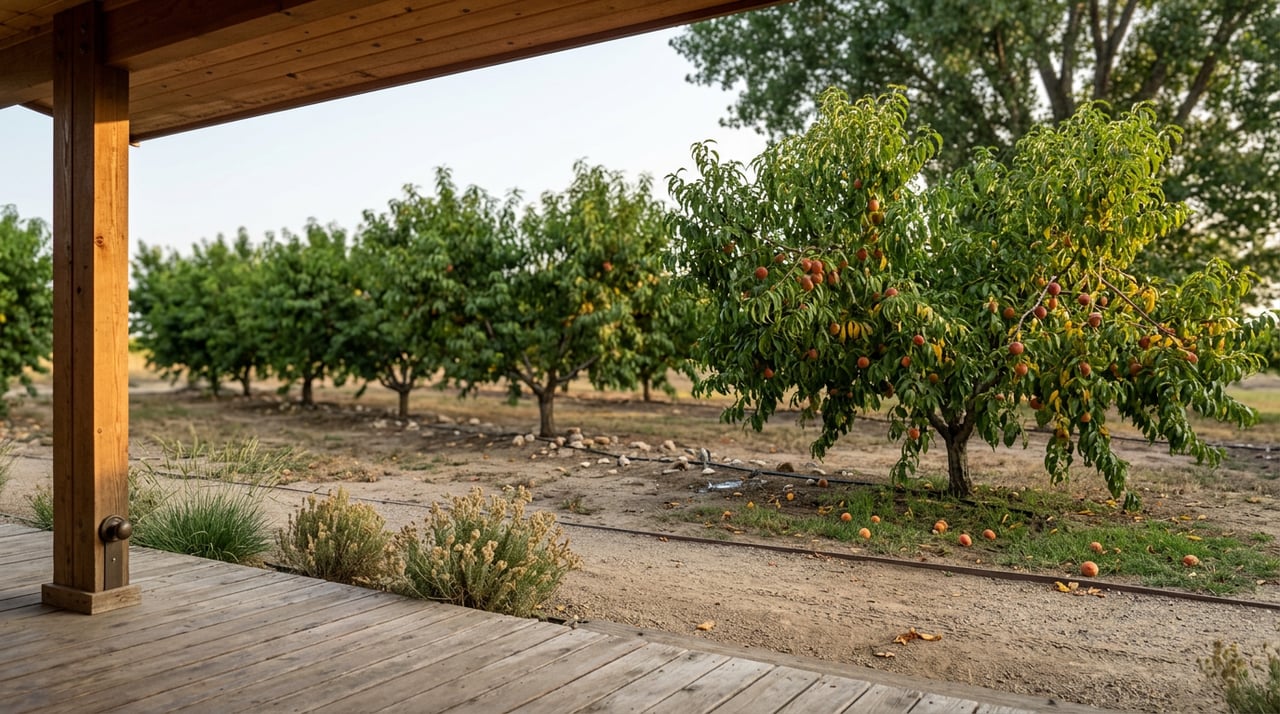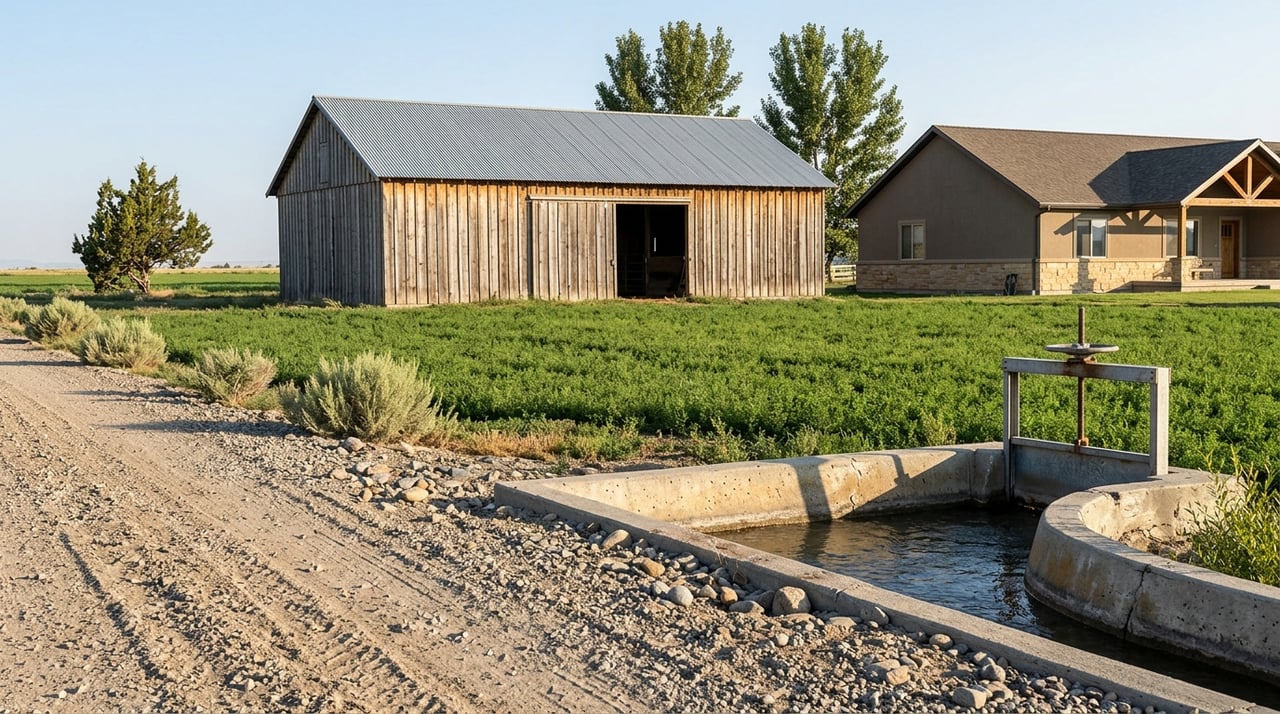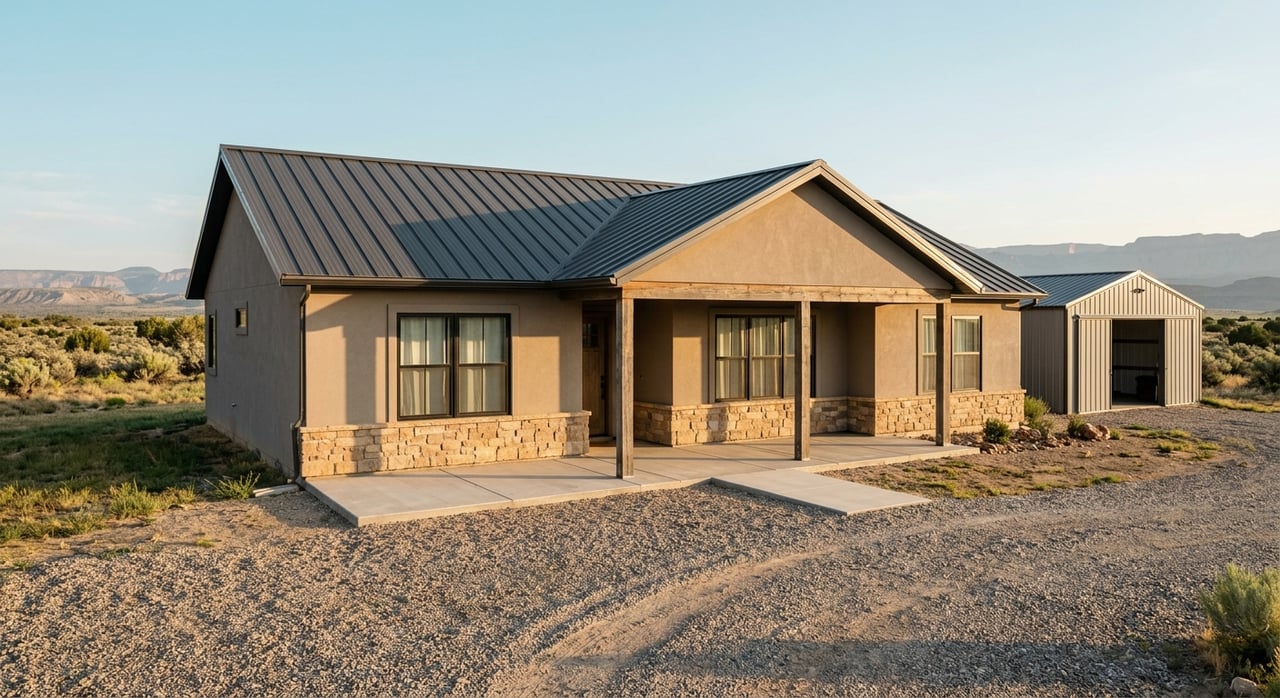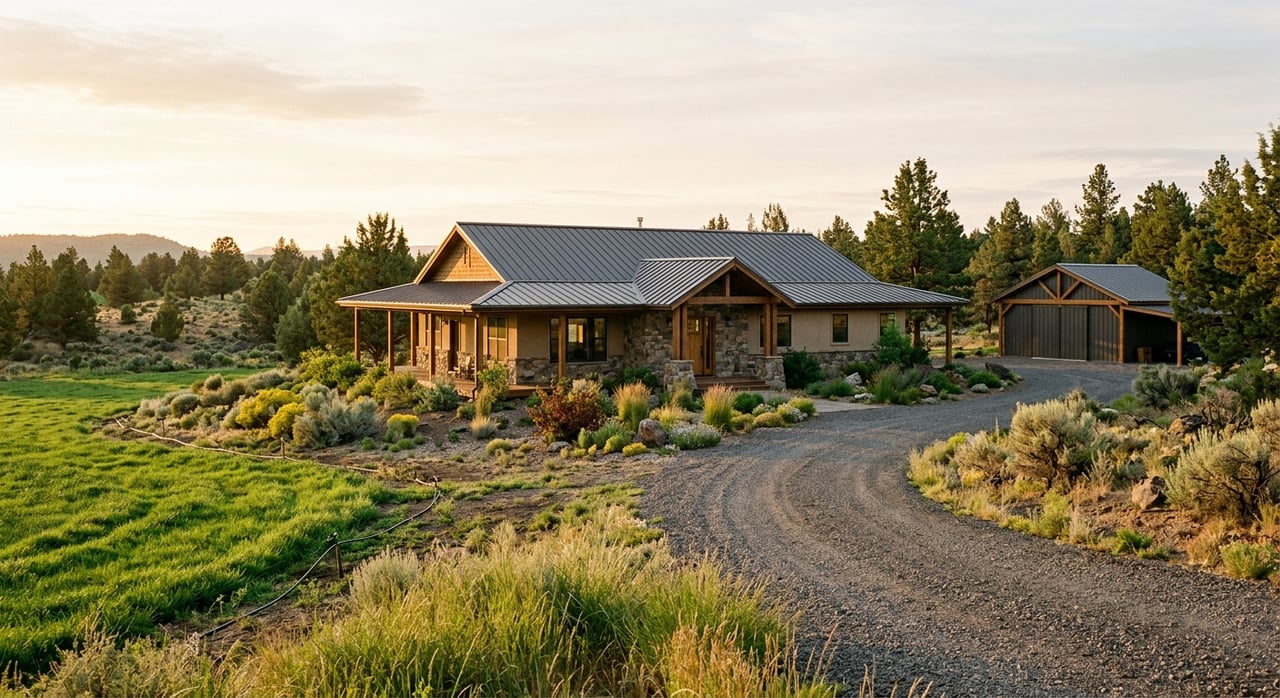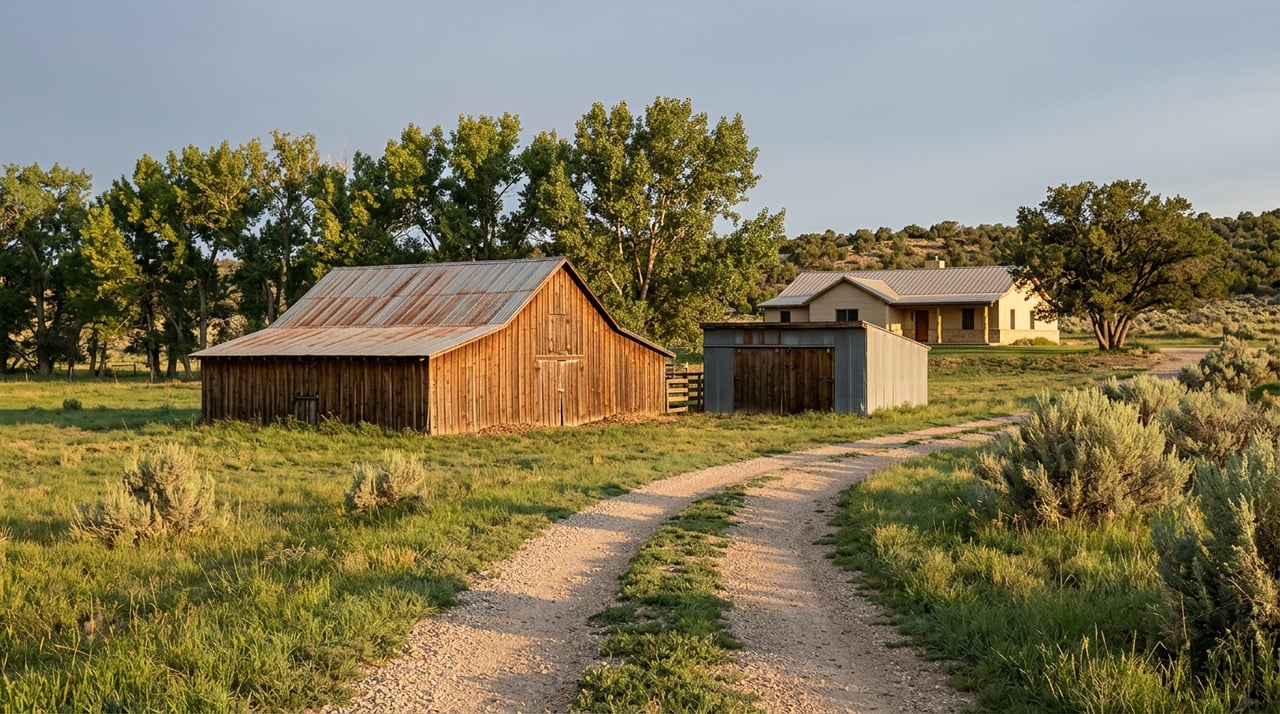
You've made it through inspection. The well flows fine, the fence lines match the survey, and the irrigated hay meadow behind the barn is everything the listing promised. Then the title commitment lands in your inbox, and buried in Schedule B-2 is a line you didn't expect: a decades-old mineral deed reserved all the oil, gas, and other minerals under the property to a company that may not even exist anymore. You're about to own the surface. Somebody else already owns what's beneath it, and the Colorado State Land Board explains that they have a right to get to it.
This isn't a rare paperwork glitch. In Garfield County, it's close to routine.
Why This County Sees More of It Than Its Neighbors
Colorado has 64 counties, but only a small number produce meaningful oil and gas, and Garfield is consistently named alongside Weld and Adams as one of the three that account for the vast majority of it. That history is written into the ground itself. The county sits over the Piceance Basin, home to the Mancos Shale, one of the state's more significant natural gas formations. Wherever oil and gas activity runs deep into a county's past, so does the practice of severing mineral rights from the surface, whether that happened when a rancher reserved the minerals before selling the land, when a bank kept them after a foreclosure decades ago, or when the federal government held them back while first patenting the land into private hands.
Severed estates aren't unique to Garfield County. Weld and La Plata counties see plenty too. But if you're shopping ranch and acreage listings between Rifle and De Beque, the odds you'll run into one on your title commitment are meaningfully higher than they'd be on a comparable parcel outside the state's energy corridor.
The Lease Sale That Proves This Isn't History
If severed minerals sound like a relic of an earlier era, the Bureau of Land Management's 2026 calendar says otherwise. In September, the Post Independent reported that Garfield County commissioners sent the BLM a letter backing the inclusion of seven county parcels, roughly 5,063 acres, in the agency's December 2026 competitive oil and gas lease sale. Six of those parcels sit within the Colorado River Valley Field Office and one within the Grand Junction Field Office. The BLM's own development estimate for those seven parcels, combined with two more in neighboring Rio Blanco County, projects between 41 and 58 well pads and as many as 995 to 1,522 directional wells across roughly 5,423 acres.
The parcels sit on the Roan Plateau, and the terms attached to them are tighter than that headline number suggests. Development on top of the plateau itself is capped at no more than seven well pads, with surface disturbance limited to 10 acres per pad while drilling and about three acres once a well is producing. Development also has to be phased, routed through designated roads, and worked out with Colorado Parks and Wildlife before it can proceed. It's a useful reminder that a leased mineral estate and an active drill site are two very different things. It's also proof that mineral rights under Garfield County ground are actively being bought, sold, and planned around this year, not sitting in a filing cabinet from a previous century.
This sale is one entry in a longer 2026 pattern. The BLM's Colorado office has run a competitive lease sale in nearly every quarter this year, and Garfield County parcels have shown up in most of them, including a March 2026 sale that generated roughly $8.1 million from 68 parcels covering about 42,500 acres, the state's largest quarterly sale since 2020.
What "Severed" Actually Means for What You Just Bought
Colorado law treats the mineral estate as dominant. That's not a figure of speech. It means whoever owns the minerals has a legal right to reasonably access them, even when someone else owns the surface above. If a company holds the severed rights under your future pasture, they don't need your permission to develop it, only compliance with the state's rules for how close they can get to your house.
Those rules offer real protection. The Colorado Energy and Carbon Management Commission generally keeps new oil and gas development at least 2,000 feet from an occupied building, and an operator cannot require you to sign a waiver to shorten that distance. You can agree to a closer setback voluntarily, but nobody can make that trade for you.
Colorado also requires sellers to tell you about it up front. State statute obligates a seller to disclose specific information about surface and mineral estate rights and any known oil and gas activity on the property, whether that's a producing well, an existing lease, or a surface use agreement already on file.
Reading What's Already in Front of You
The good news is you don't have to go digging for this on your own. If a mineral estate has been severed and recorded, your title commitment already shows it as an exception on Schedule B-2, listed alongside anything else the title company won't insure. What the commitment usually can't tell you is who currently holds those minerals, since the mineral estate can change hands separately from the surface without ever appearing in the same chain of title. That's the point where a landman or a mineral title attorney earns their fee, and where the Colorado State Land Board's own guidance is worth reading before you start searching records yourself.
Here's roughly how the scenarios break down once your title company flags something:
| What your title commitment shows | What it actually means | What to do next |
|---|---|---|
| No mention of mineral rights | The commitment doesn't identify the mineral rights | Proceed with standard closing review |
| A recorded mineral reservation, no active lease | Someone else owns the minerals, but nothing is currently planned | Ask for the reservation's history and check for nearby drilling permits |
| A recorded lease or surface use agreement | The minerals are severed and under active or pending lease | Review lease terms and setback compliance before you negotiate price |
| Colorado State Land Board holds the severed minerals | The state, not a private operator, holds the subsurface rights | Ask about a No Surface Occupancy agreement, available for a defined term |
What This Means for the Number on the Listing
Garfield County ranches carry some of the higher acreage prices in the region for reasons that have little to do with the house on the property. Garfield consistently ranks among the top ten of Colorado's 64 counties for total acreage currently listed for sale, and current ranch listings average around $4 million, or roughly $9,400 per acre. Part of that value is visible on a drive-through: irrigated hay meadows, live water, and BLM-adjacent grazing and hunting access. A handful of current listings make that explicit. Buck Mesa Ranch, an active cattle operation with roughly 215 irrigated acres, markets its water rights right alongside its acreage. A smaller parcel called Highline Meadow 98 lists four shares in the Highline Ditch as a named asset, not an afterthought buried in the fine print.
Mineral rights rarely get the same billing in a listing description, but they belong in the same conversation as price. A severed estate with no active lease and no nearby development is a very different asset than a fee simple parcel where you'd hold both halves outright. It's also very different from a property sitting under an active lease near an operating field, where a future well pad and access road are quietly part of what you're buying into. None of that shows up in acreage or square footage. It shows up in the title commitment, and it belongs in how you and your agent think about price and contingencies before an offer goes out.
Before You Waive Objection
A few moves are worth making before your title objection deadline passes, not after.
- Request the full title commitment early, and read Schedule B-2 line by line instead of skimming past it to the purchase price and legal description.
- Check for nearby drilling permits or active wells before assuming a recorded lease means imminent development. Timelines vary enormously, and a lease can sit dormant for years or never produce at all.
- If the Colorado State Land Board holds the severed estate, ask about a No Surface Occupancy agreement rather than assuming development is inevitable.
- Bring in a real estate attorney once the title commitment raises a question you can't answer from the document alone. Severance, surface use agreements, and lease terms are legal questions worth resolving before deadlines are running, not during them.
A Few Questions Worth Asking Directly
Does every Garfield County property have severed mineral rights? No. Plenty of parcels, especially smaller residential lots away from the county's energy corridor, still carry the mineral estate together with the surface. The title commitment will tell you either way.
If the minerals are severed, does that mean someone will drill on my land? Not necessarily. The Colorado State Land Board's own data on its trust land leases shows that roughly 88 percent of oil and gas leases never reach production. A recorded severance, or even an active lease, doesn't guarantee a well pad shows up next season.
Can I buy the mineral rights back? Sometimes, if you can identify the current owner through a landman search or the county clerk and recorder's records. It's a conversation worth having once you know who holds the estate.
Working Through It With Someone Who Knows the Ground
None of this is a reason to avoid buying land in Garfield County. It's a reason to read the title commitment as closely as you read the listing photos. Lora Andrews at Sorrel Properties has spent years walking Western Colorado ranch and acreage buyers through exactly this kind of paperwork, the water rights, the fencing, and yes, the mineral questions that don't surface until you're already deep in a transaction. If you're evaluating land in Garfield County and want a second set of eyes on what your title commitment is actually telling you, Let's Connect.
This article is general information, not legal, tax or financial advice. Consult a qualified professional about your situation.