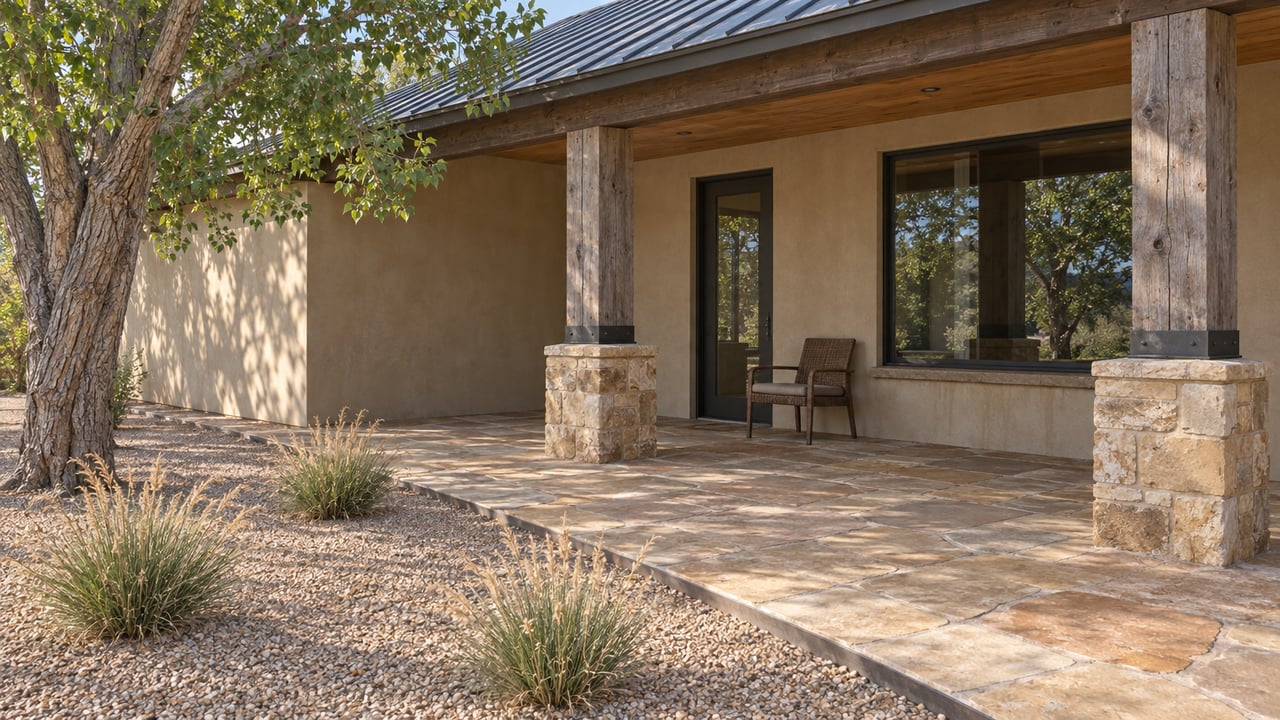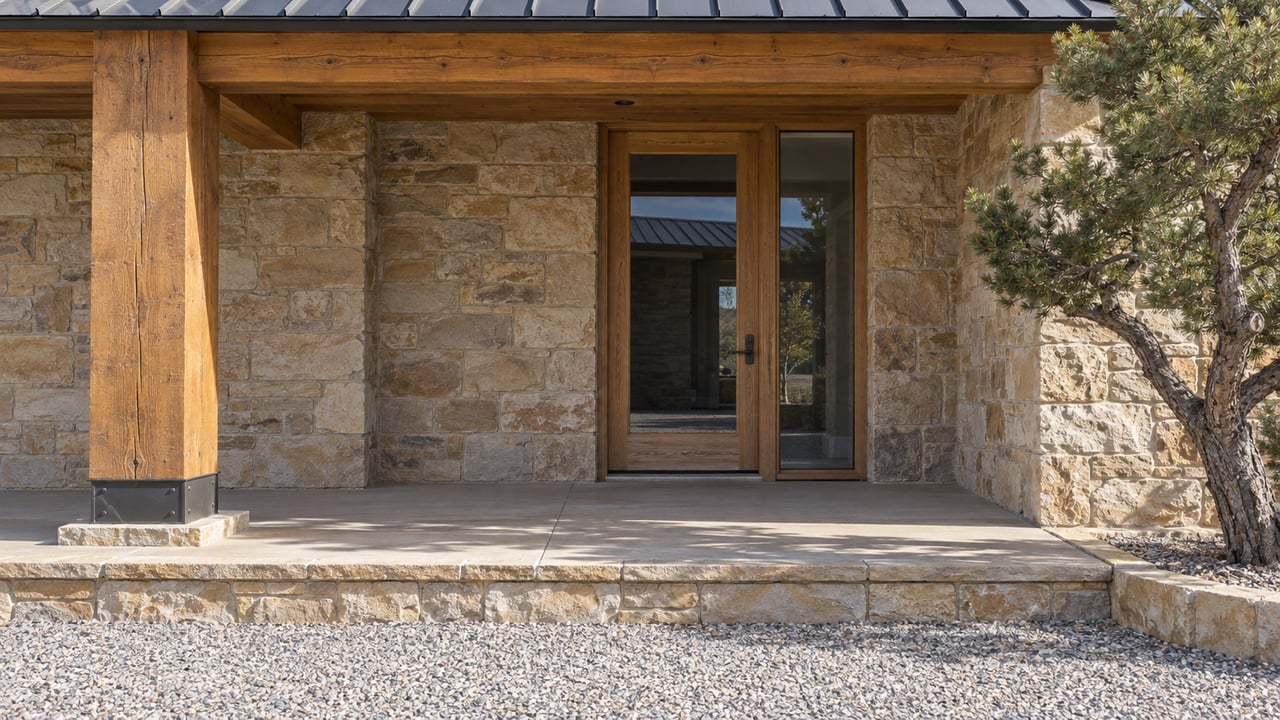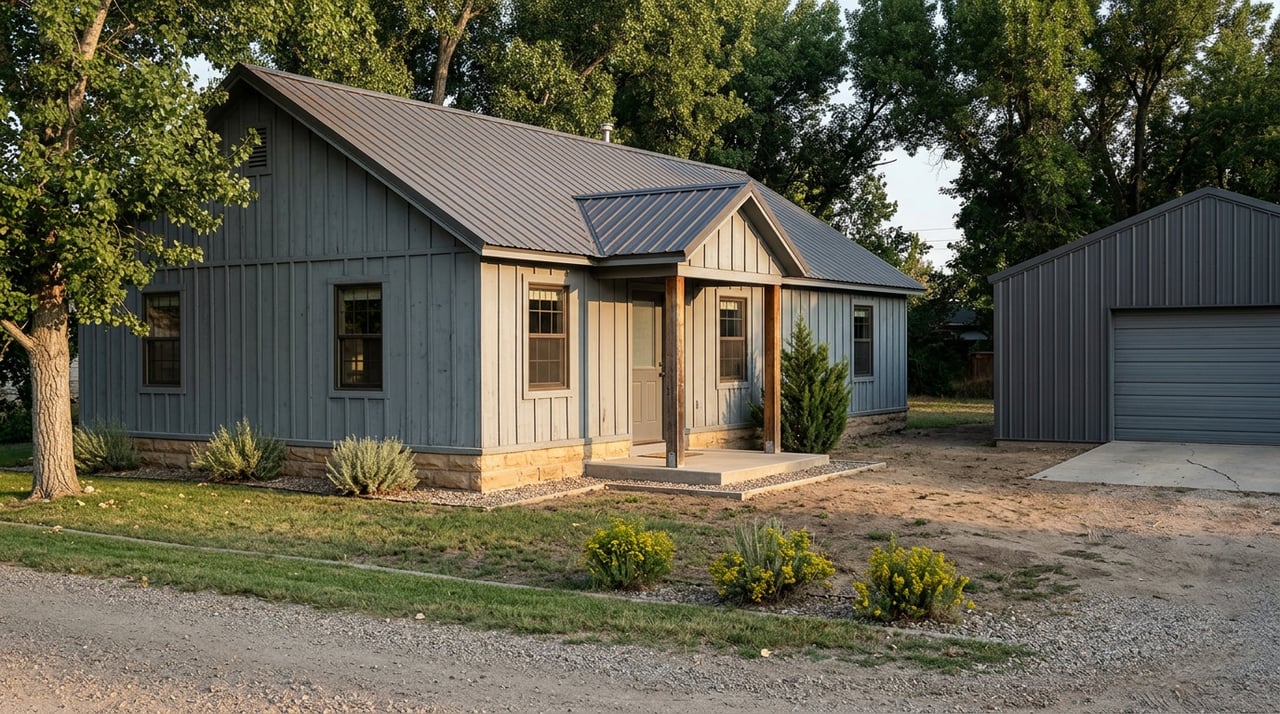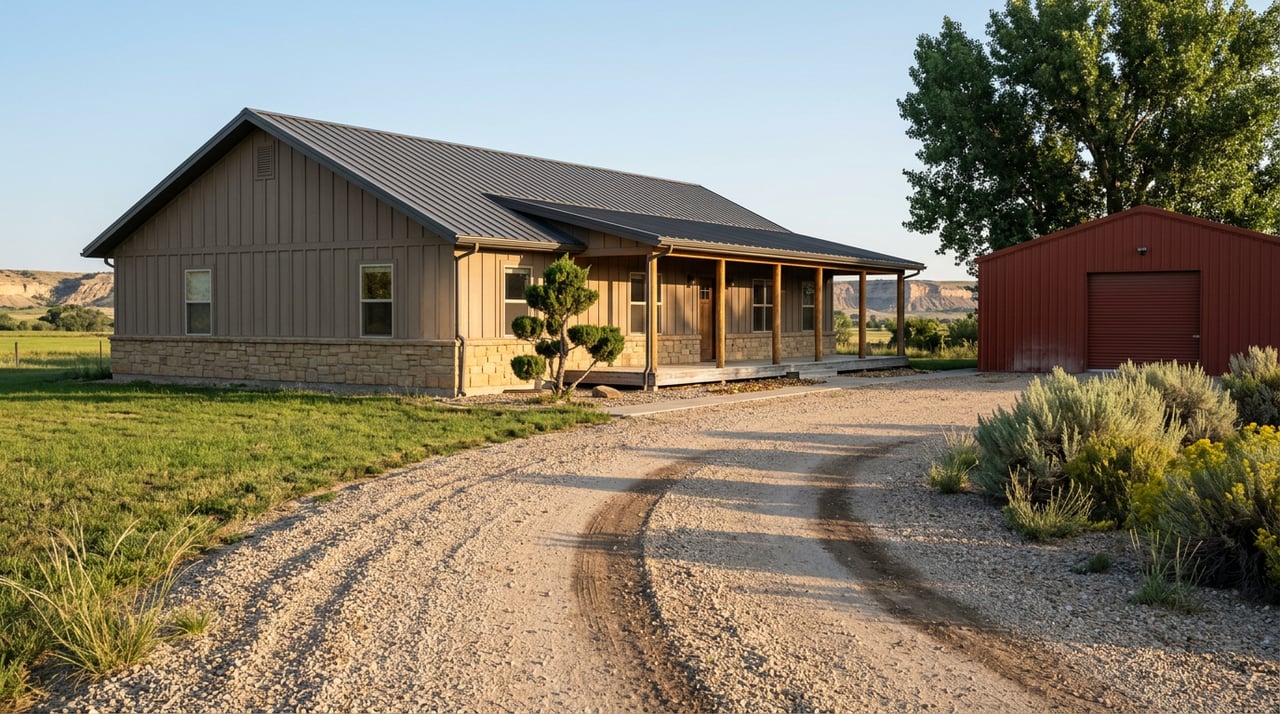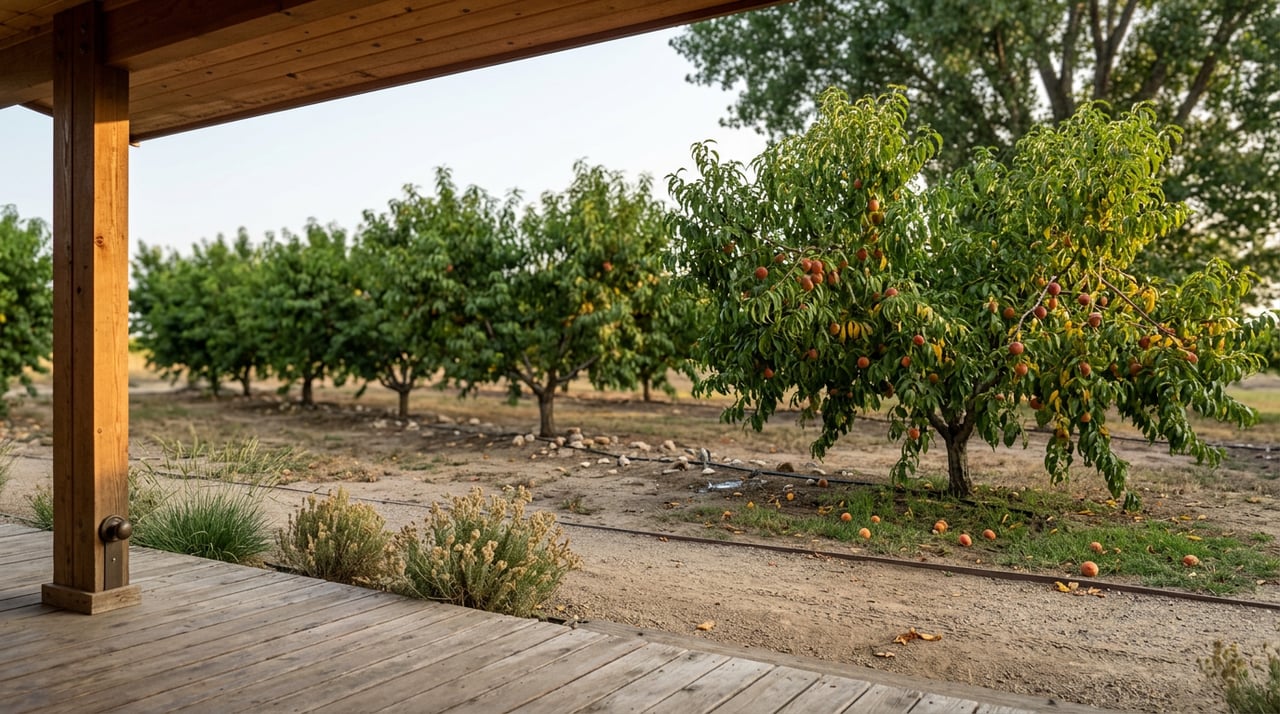
Walk into Dinosaur Journey on any given Tuesday and you'll find the same thing you'd have found five years ago: a robotic Theropod spitting water at kids who get too close to the bridge at Midnight at the Oasis, a viewable lab where volunteers pick sediment off a Mygatt-Moore Quarry find with dental tools, and a sandbox where a six-year-old is convinced she's the first person to ever touch a Jurassic bone. Nothing about the visit has changed.
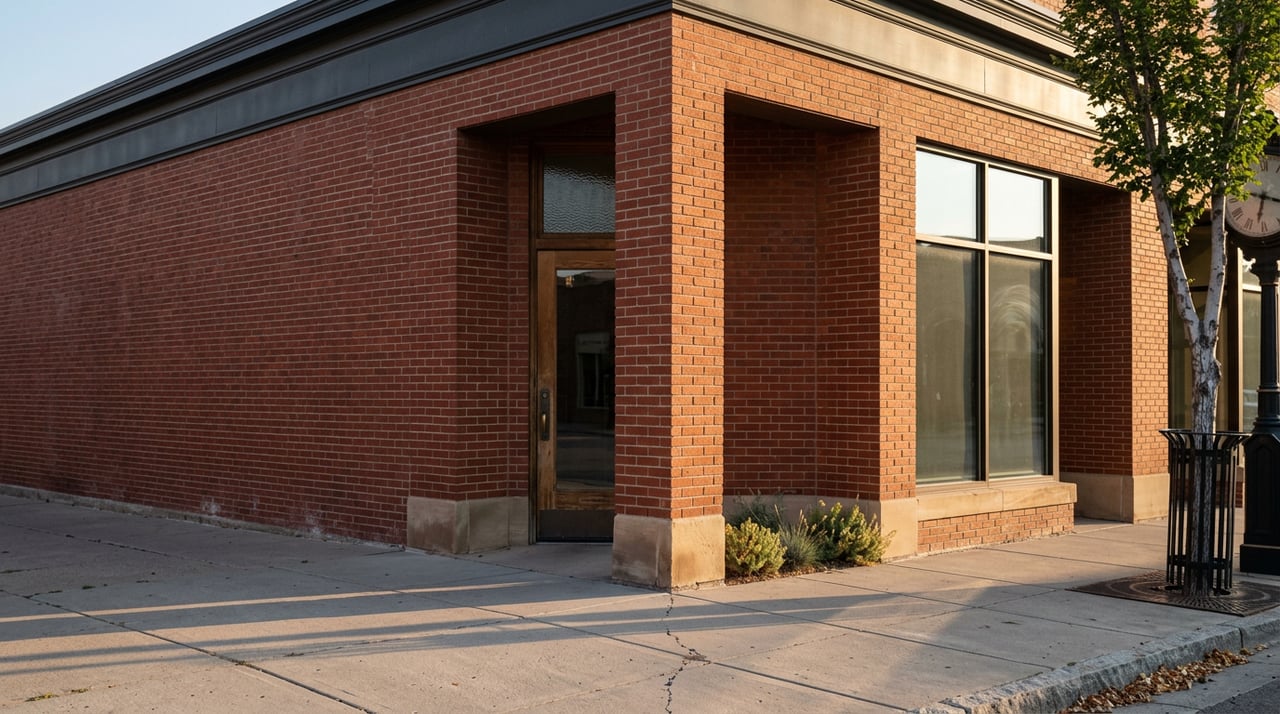
What changed is everything behind it. On August 4, the board of the Museums of Western Colorado voted to make this building, at 550 Jurassic Court, the permanent and only home for the entire museum system. The Museum of the West, currently anchoring the corner of Fifth and Main in downtown Grand Junction, will close. Cross Orchards Historic Site in Fruitvale will step back from operating as one of the system's primary museum facilities. The Museum of the West's exhibits, spanning topics from the Colorado Plateau's paleontology to pioneer history, are headed to Fruita.
If you've lived here a while, that direction of travel should catch your attention. Museums and cultural institutions in this valley have historically gravitated toward Grand Junction, the bigger population base with the bigger downtown. This time the flow runs the other way.
The vote, and what it actually triggers
The board's approval wasn't unanimous. Two members abstained, and one of them, a board member named Kennedy, told the Grand Junction Sentinel he'd argued at the board's retreat for keeping both Dinosaur Journey and the Museum of the West running. He added afterward that he hopes the decision "sparks a broader conversation about how we continue preserving and sharing those stories in the heart of our city."
The mechanics of the plan, as laid out by the museum system, work like this. The Museum of the West's exhibits will transition to the Fruita campus over the course of 2027, with the downtown building tentatively closing late that year. Cross Orchards will end its run as a primary exhibit site in early 2027, though the orchard, the historic buildings, and the railroad equipment aren't disappearing. Community events tied to the property, including things like the Colorado Honey Bee Festival that relocated there this past spring, are expected to continue in some form. What ends is its status as one of the system's three staffed museum locations.
Executive Director Shenna Hayden has been careful about the word choice here. "What we're looking at is not a consolidation," she told Fruita's city council back in March. "Consolidation has a negative connotation to it, which we don't dig into a whole lot because what we're doing is not something that's negative. We're creating a revitalized museum." Whatever term lands with residents, the practical result is the same: one campus, one budget, one address off I-70.
Why the highway exit beat the historic downtown
The decision came down to a handful of factors Hayden and her staff have been candid about, and none of them are sentimental. The dinosaur-centric facility's own revenue was one. The availability of adjacent land in Fruita for future expansion was another, something downtown Grand Junction's built-out block doesn't offer. Tourist popularity was a third. And then there's the interstate.
"We have I-70 access right here that is worth quite a bit," Hayden said at that same March work session. "It's hard to navigate people off the highway to a downtown space if that's not where they're going." For an organization trying to capture drive-through tourist traffic heading toward Utah and the national monuments, a location one block south of Exit 19 does something a Main Street storefront can't.
The other driver is less visible but just as real. All three sites are aging, and running three separate buildings on one nonprofit budget has been a slow bleed. Museum leadership has spent more than a year on feasibility studies and community roundtables trying to find a way to keep the collections intact without continuing to prop up three roofs, three HVAC systems, and three sets of utility bills.
What Fruita is being asked to put in
Getting named the future home of the system isn't the same as getting a museum for free. At that March council session, Hayden laid out what she'd need from the city: help securing a long-term storage facility, the ability to purchase the existing Dinosaur Journey property along with some adjacent city-owned land, and a possible ballot measure asking voters to approve a dedicated sales tax to fund the expansion.
Council members didn't commit to anything that night, and some raised the obvious concern about asking residents for another tax increase. But the council agreed to keep the conversation going, which means the next real milestone for anyone paying attention isn't a groundbreaking. It's whatever shows up on a future Fruita ballot.
The case for Fruita, made by someone who already worked there
Retired Museums of Western Colorado director Mike Perry, who lives in Fruita, showed up to that same meeting to make the case in plainer terms than the feasibility studies could. He pointed out that Fruita already functions as the staging ground for Dinosaur Hill and the Fruita Paleo Area, the actual dig sites the museum's lab work depends on. "This is where the resource is," he said. "You take that away and move it somewhere else and look at what you've lost."
It's a reminder that the paleontology here isn't a branding exercise. The fossils on display in that sandbox came out of the ground a few miles from where they're kept.
What's already visible, and what's still thirteen years out
Hayden has described this as a thirteen-year plan, not a quick renovation. The version of Dinosaur Journey she's sketched for the future includes a major addition with new attractions, among them a dinosaur climbing structure she's compared to one at the Indianapolis Children's Museum. None of that exists yet.
What does exist is the first, smaller signal of where this is headed. In January, the museum brought back its animatronic dinosaur exhibit through a donor campaign called Return of the Roar, funded entirely by community gifts rather than city or state money. It was framed at the time as the start of something larger, and in hindsight it reads as the opening move in the same push that led to the August vote. A dinosaur sculpture has also been announced for the Grand Junction Regional Airport, which museum officials have described as another early piece of the same new chapter.
None of this changes what a visit to Dinosaur Journey looks like this month or next. Seasonal hours are unchanged. The paleontology lab is still viewable. The Dino Dig programs are still booking. The real disruption plays out over 2027, when the downtown Grand Junction building goes quiet and its exhibits start arriving in Fruita, and over the following decade, as the addition Hayden has described actually gets designed, funded, and built.
For a town of Fruita's size, absorbing a downtown museum's entire collection and eventually adding a major new wing to a facility a block off the interstate is not a small civic event. It's the kind of decision that, ten years from now, longtime residents will point to as the moment the town's identity as a paleontology destination stopped being informal and became load-bearing for the whole regional museum system.
If you want the details straight from the source, the Grand Junction Sentinel's coverage of the board's August 4 vote and its March report on the city council discussions lay out the record in full. KJCT8's coverage of the approved revitalization plan has Hayden's own framing of the thirteen-year timeline. And if you just want to plan a visit while all of this plays out, Dinosaur Journey's own page has current hours and programs.
We follow stories like this one because they shape what it feels like to live here long after the vote is old news. If you're curious how shifts like this one connect to the rest of what's happening in Fruita and the Grand Valley, Sorrel Properties keeps a close eye on the ground here. Let's Connect.