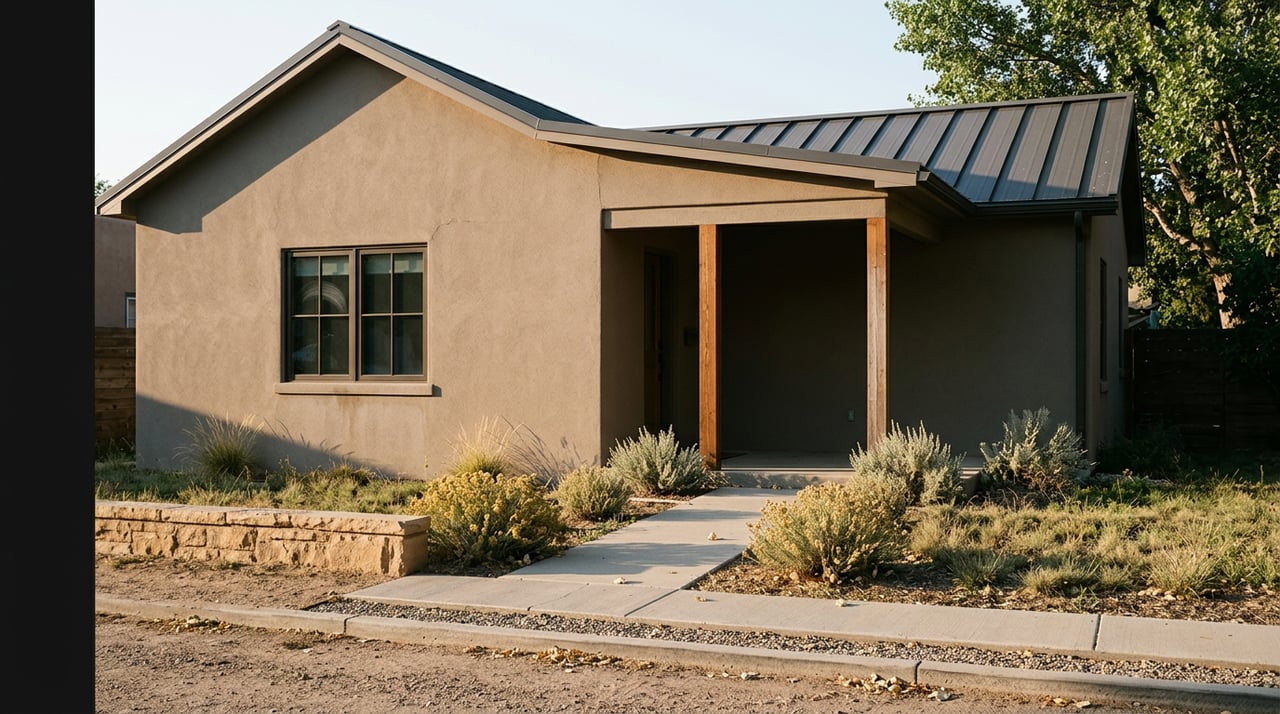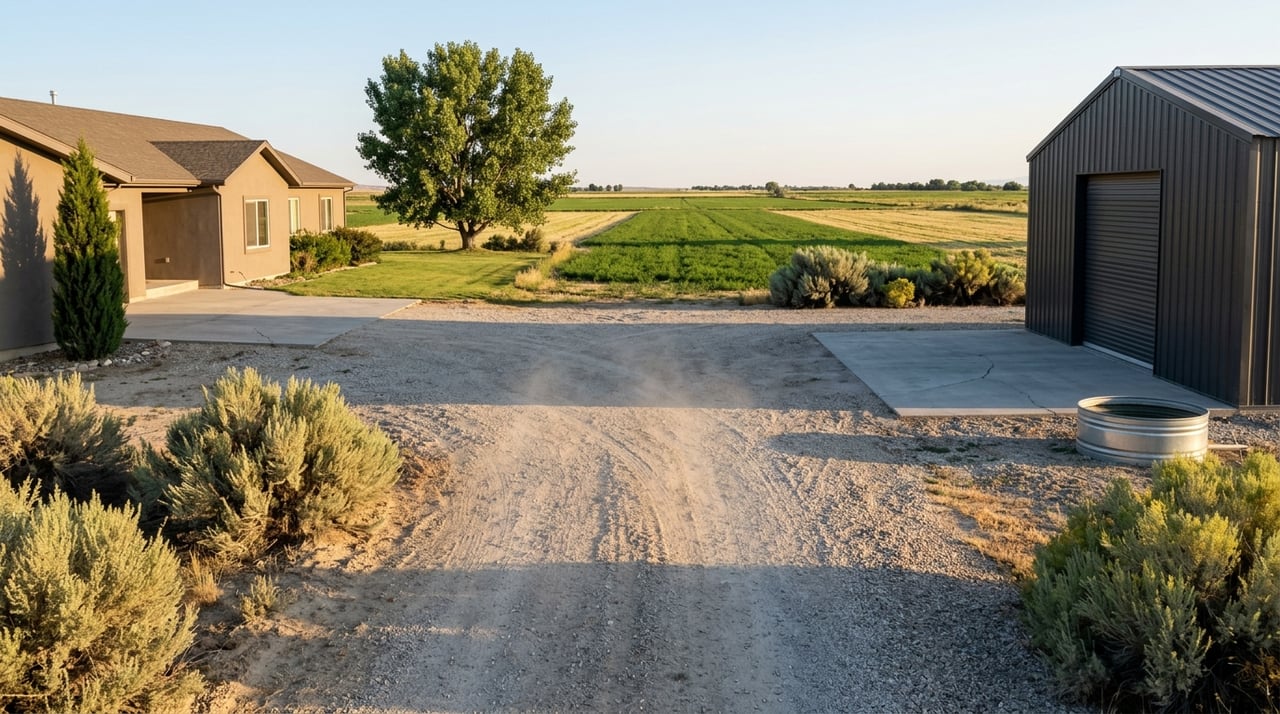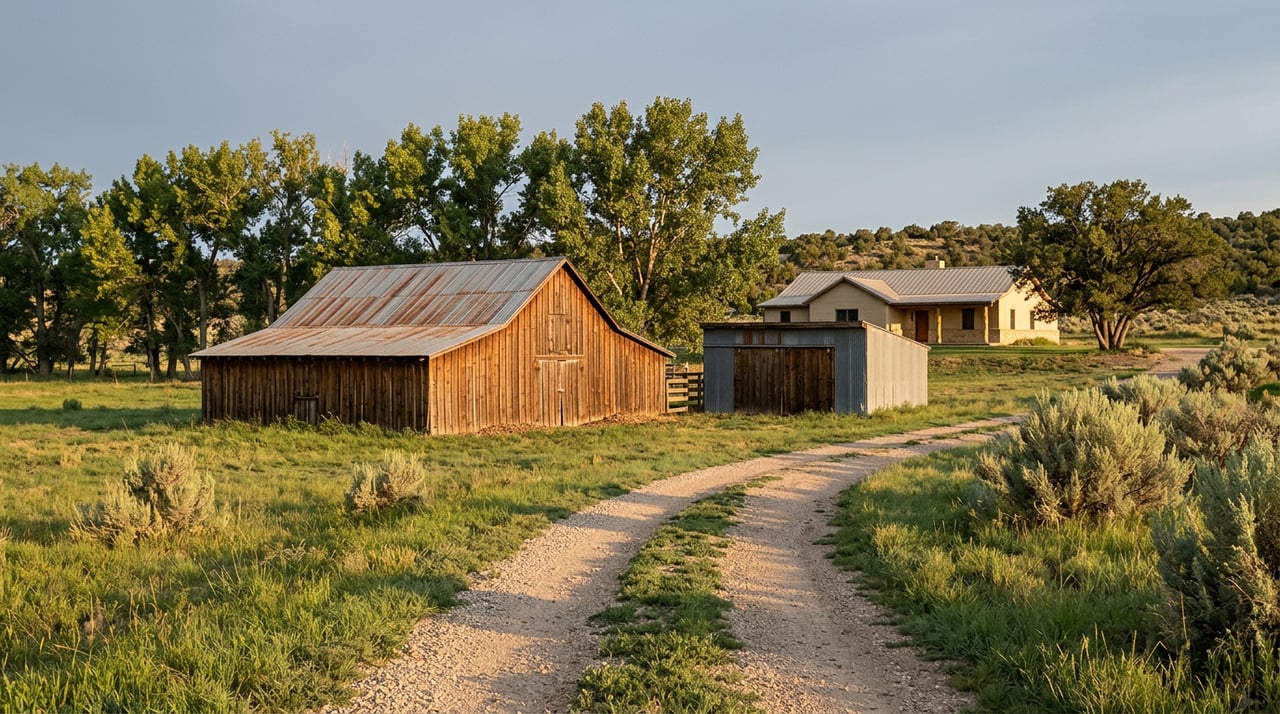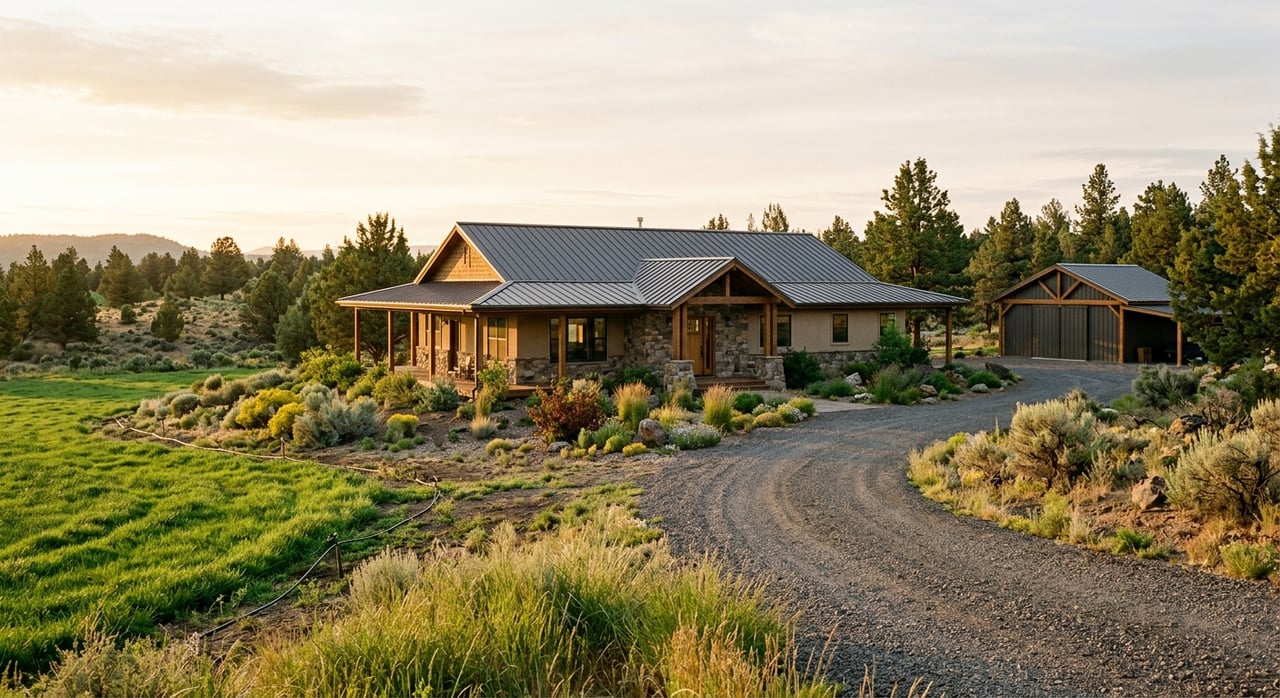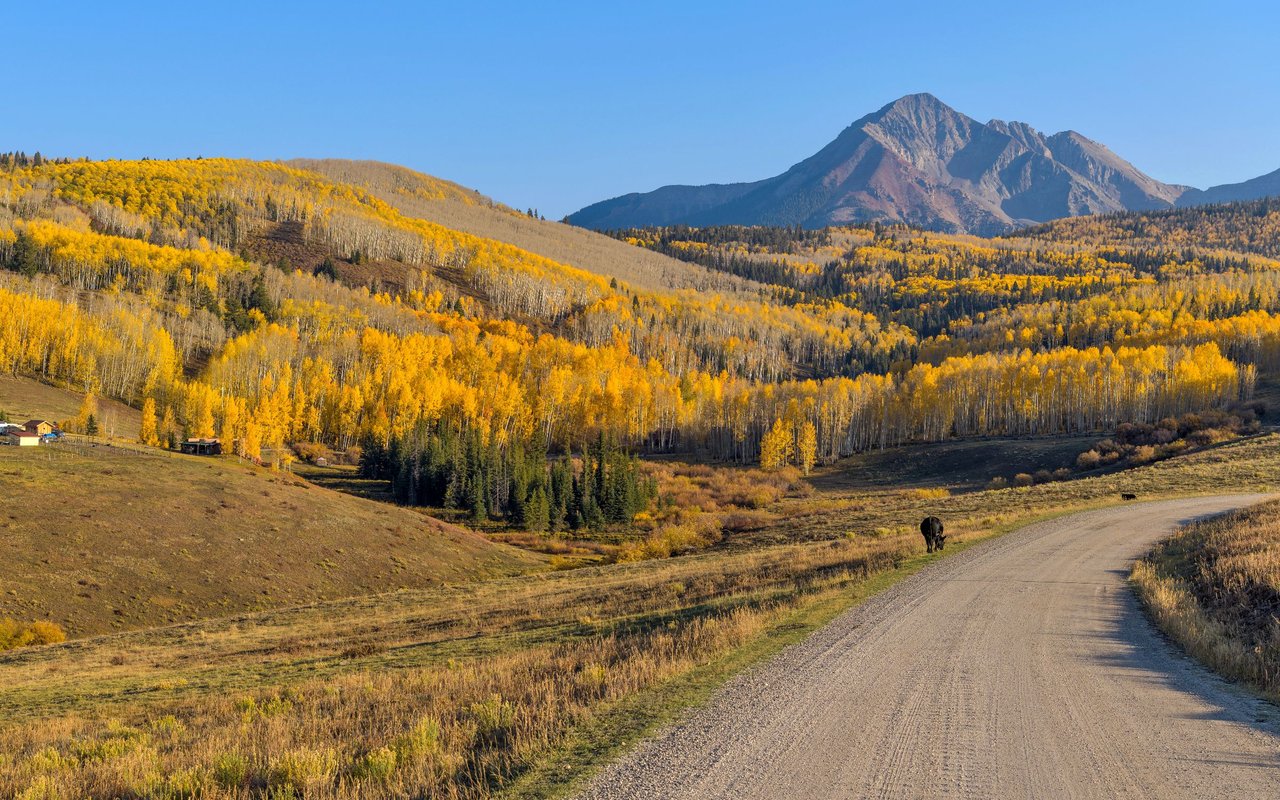
If you are eyeing orchard or vineyard land near Palisade, it is easy to fall for the views first. The mesas, river corridor, and neat rows of vines or fruit trees create a picture that feels both beautiful and full of possibility. But if you want acreage that truly fits your goals, you need to look past the scenery and understand how the land works. Let’s dive in.
Why Palisade draws land buyers
Palisade sits at the east end of the Grand Valley, about 10 miles east of Grand Junction and around 4,700 feet in elevation. The area is known for an arid climate, with about 9 inches of annual precipitation, and nearby CSU research data points to roughly 182 frost-free days.
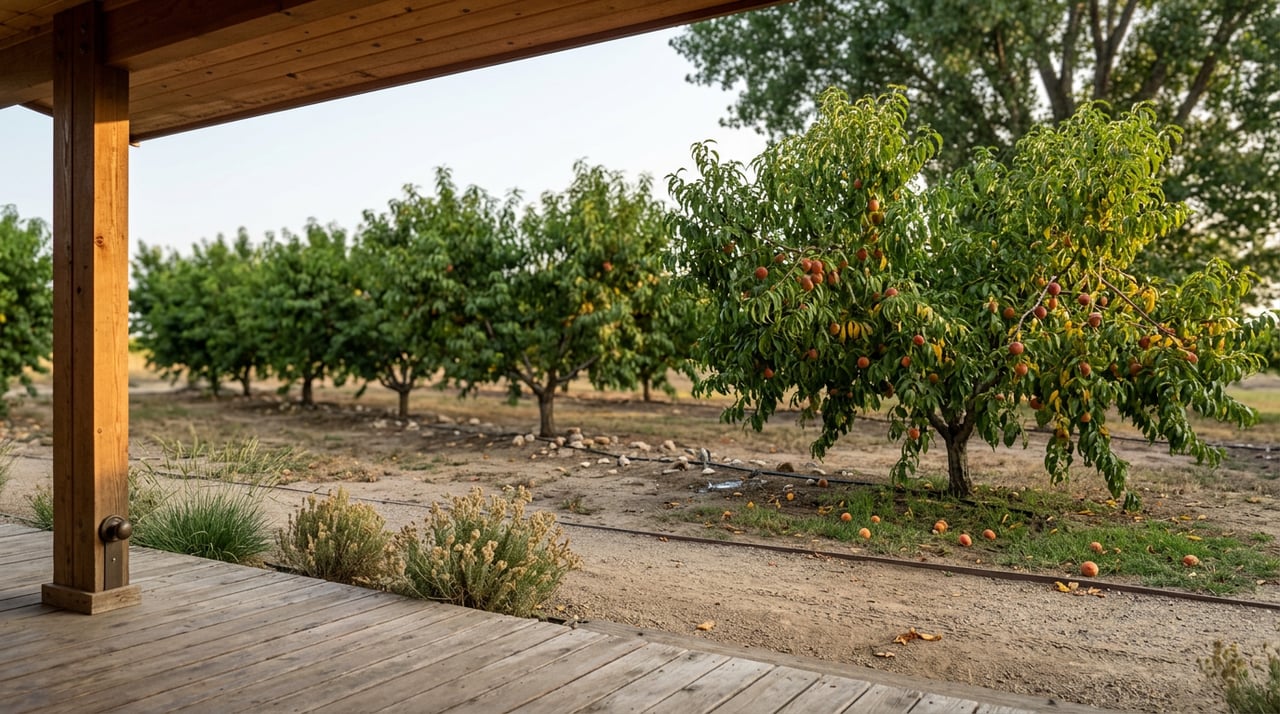
That combination helps explain why Mesa County identifies East Orchard Mesa and the Palisade area as especially well suited to orchards and vineyards. For you as a buyer, that means the right parcel can offer real growing potential, not just a rural lifestyle setting.
Know your goals first
Before you compare listings, get clear on what you want the land to do. A small hobby orchard, a boutique vineyard block, and a more production-focused setup can all need different site conditions, water planning, and access.
This matters because parcel-by-parcel differences in slope, drainage, water access, and road access can change what is practical. Two properties may look similar online, but function very differently once you get into the details.
Common buyer goals
- A personal orchard for fruit trees and seasonal enjoyment
- A small vineyard tied to a rural lifestyle property
- Ground for more serious agricultural production
- Land that offers privacy now with future ag use potential
Land features that matter most
When you are considering orchard or vineyard ground near Palisade, the basics are not really basic. They are the foundation of whether the property will support your plans over time.
Slope and drainage
Slope affects much more than the view. It can shape cold-air movement, irrigation design, erosion risk, and how easy the land is to maintain or plant.
Drainage is just as important. Poor drainage can affect rooting depth and contribute to salt buildup in western Colorado soils, especially where irrigation is not well managed.
Soils and rooting depth
CSU Extension notes that grape sites generally do best with deep, well-drained soils, roughly 3 to 5 feet or more, that are not overly fertile. It also recommends checking for hardpans and other barriers that can limit root growth.
In practical terms, you want to know what is happening below the surface before you commit. A parcel may have enough acreage on paper, but if rooting conditions are limited, its usable growing potential may be much smaller.
Aspect and sun exposure
Many buyers assume south- or west-facing slopes are always best. CSU says those exposures can be warmer, but they are not required for grape ripening in Colorado.
In fact, warmer winter soil conditions on those slopes can reduce winter survival in some cases. That is a good reminder that the “warmest” site is not always the best site.
Soil chemistry can shape performance
Western Colorado soils are often calcareous, and saline soils can become an issue where drainage is poor or irrigation allows salts to accumulate. Irrigation water for orchards in western Colorado also commonly starts around pH 7.6 and can rise to 8.3 by harvest.
For you, that means soil and water chemistry may affect micronutrient availability and long-term crop performance. This is one reason a visual walk of the property should never replace actual site review.
A smart first step
Before making an offer, review the parcel through the NRCS Web Soil Survey. It is the official soil mapping tool for looking up soil information by location and can help you spot issues worth exploring further.
Geology changes quickly in this area
The Palisade quadrangle includes river terraces, gravel deposits, pediment surfaces, and landslide deposits. In real-world terms, drainage, slope stability, and rooting depth can shift quickly from one parcel to the next.
That does not mean a parcel is unsuitable. It means you should treat each property as its own case and avoid broad assumptions based on a nearby listing or general area reputation.
Water is one of the biggest questions
In Colorado, water rights follow prior appropriation, often described as “first in time, first in right.” The Colorado Division of Water Resources explains that water rights are treated as property rights and are administered through the state water court system.
If you are buying orchard or vineyard land near Palisade, water is not a side topic. It is central to the land’s value, use, and long-term practicality.
How irrigation works around Palisade
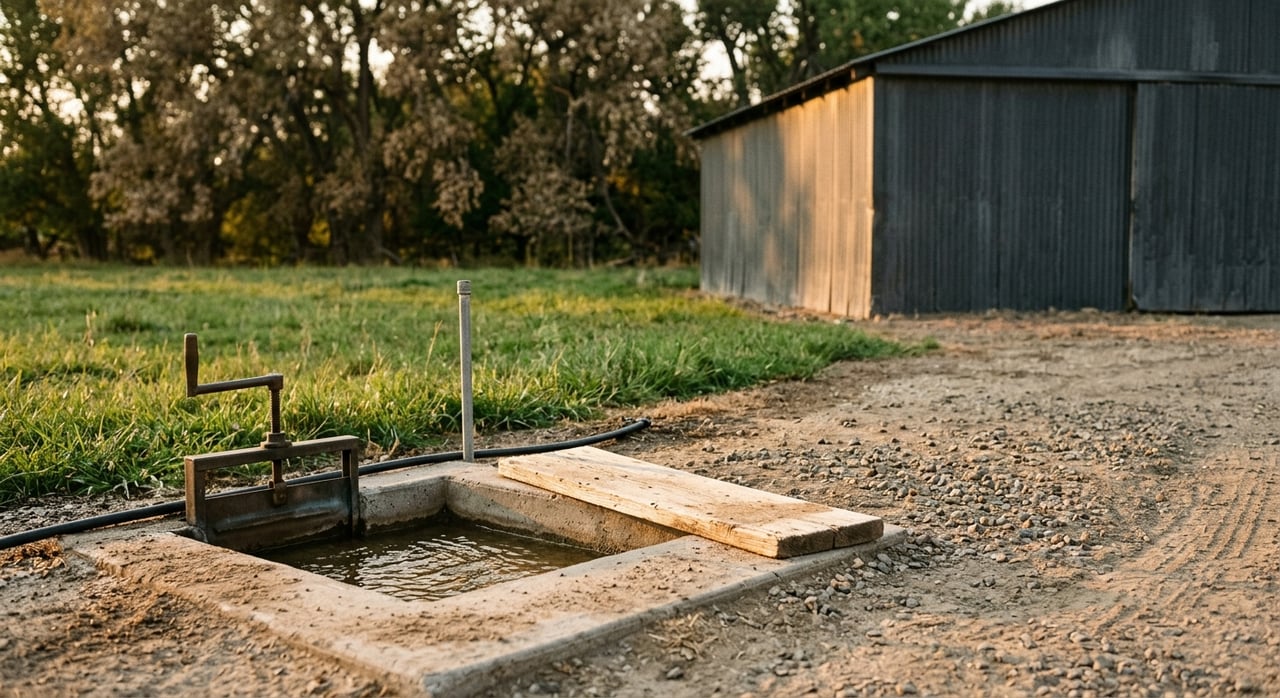
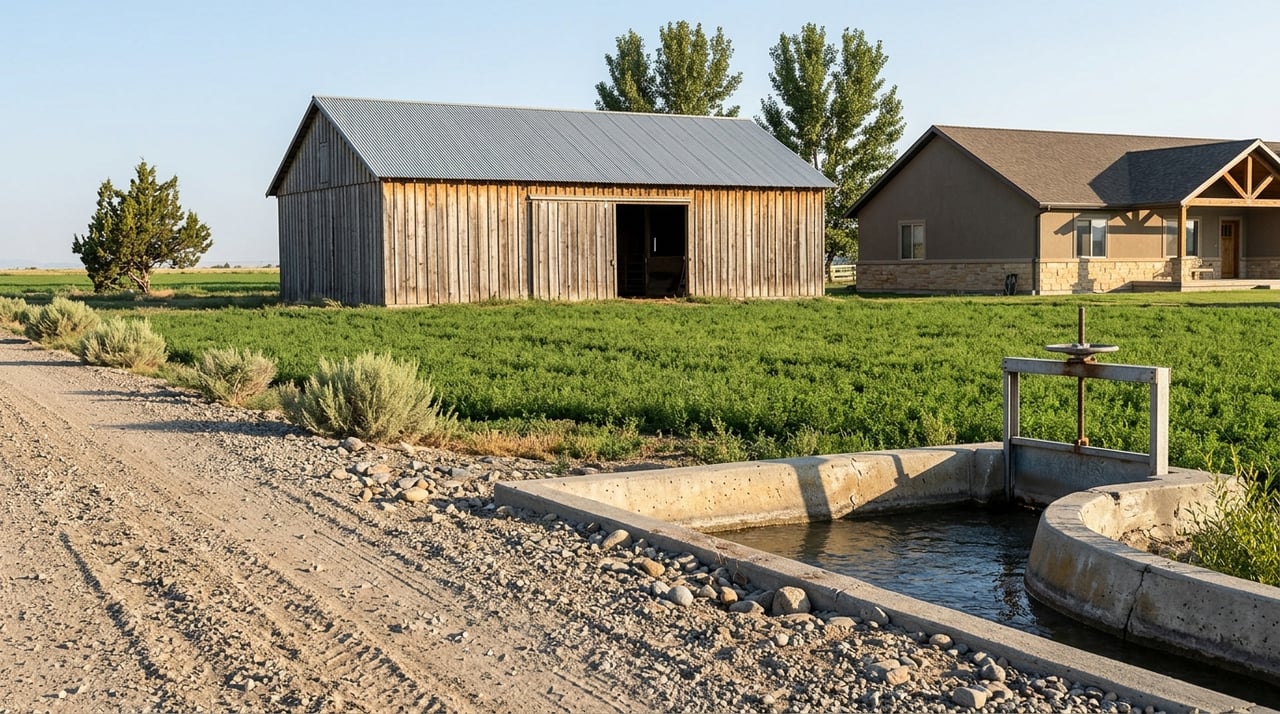
The Grand Valley Water Users Association diverts Colorado River water east of Palisade and operates the Government Highline Canal, along with laterals and drains that serve the Orchard Mesa, Mesa County, and Palisade irrigation districts.
The Palisade Irrigation District delivers raw irrigation water to agricultural enterprises in the eastern Grand Valley, including orchards and vineyards. Its guidance notes that the district’s water is attached to the land, shares are not transferable, and some parcels may need rotation because not everyone can irrigate at the same time.
Seasonal timing matters
The Palisade Irrigation District says the irrigation season generally runs from the first two weeks of April through the last week of October. If you are new to irrigated acreage, this is an important operational detail.
You will want to understand not just whether water is available, but how it is delivered, when it is delivered, and what responsibilities come with that setup.
Owner responsibilities do not stop at the headgate
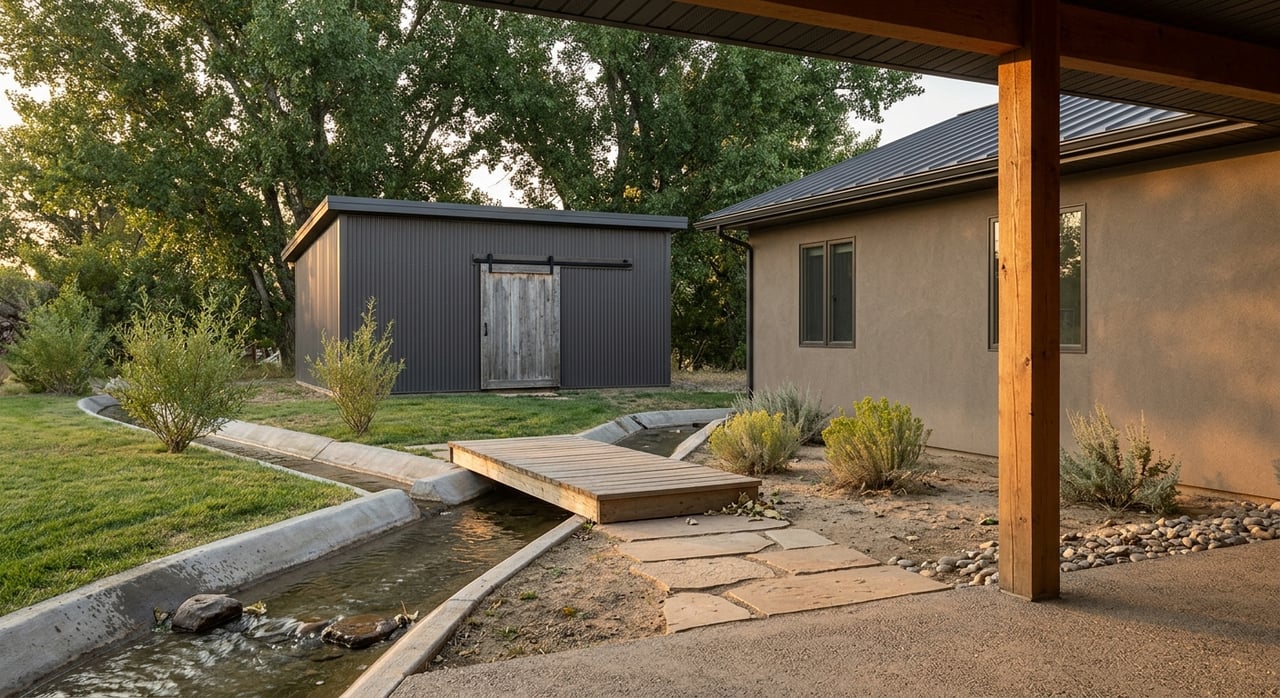
GVWUA states that canals, ditches, and related facilities are private property. It also notes that landowners are responsible for delivery-system parts beyond the headgates.
That means your due diligence should include more than confirming that water exists. You should also look at the condition, layout, and maintenance needs of the on-property delivery system.
Irrigation setup affects usability
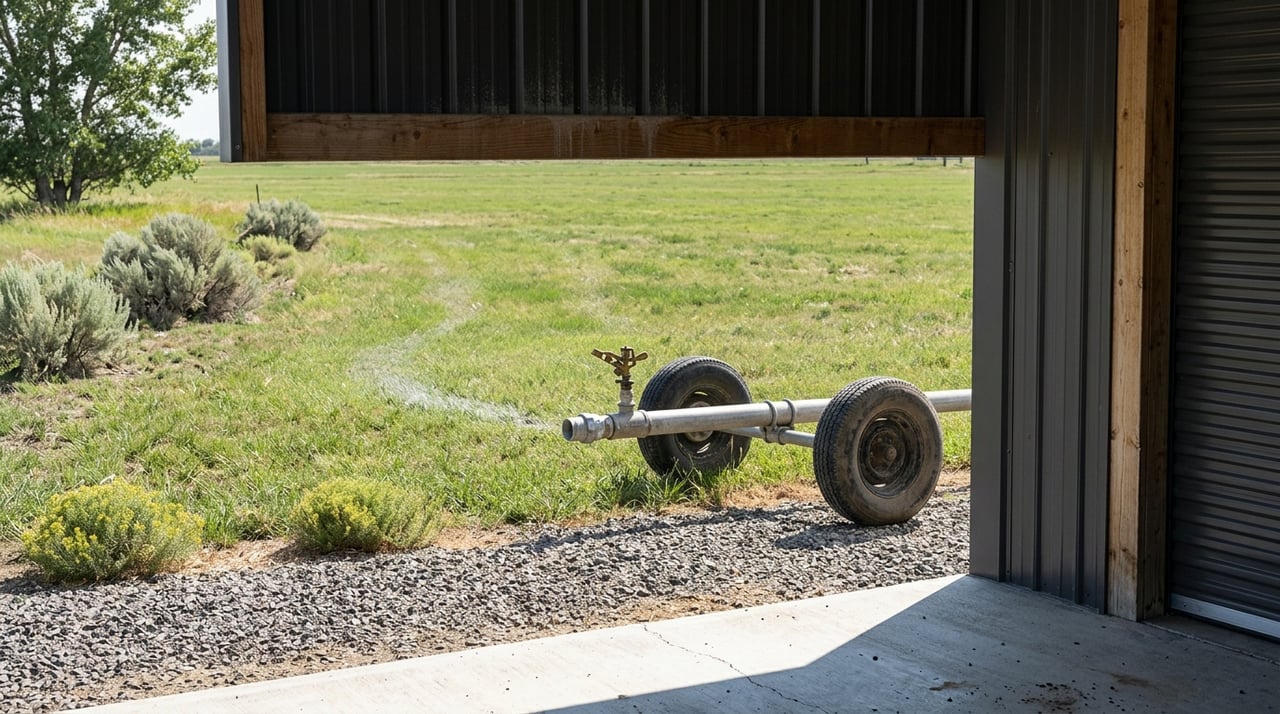
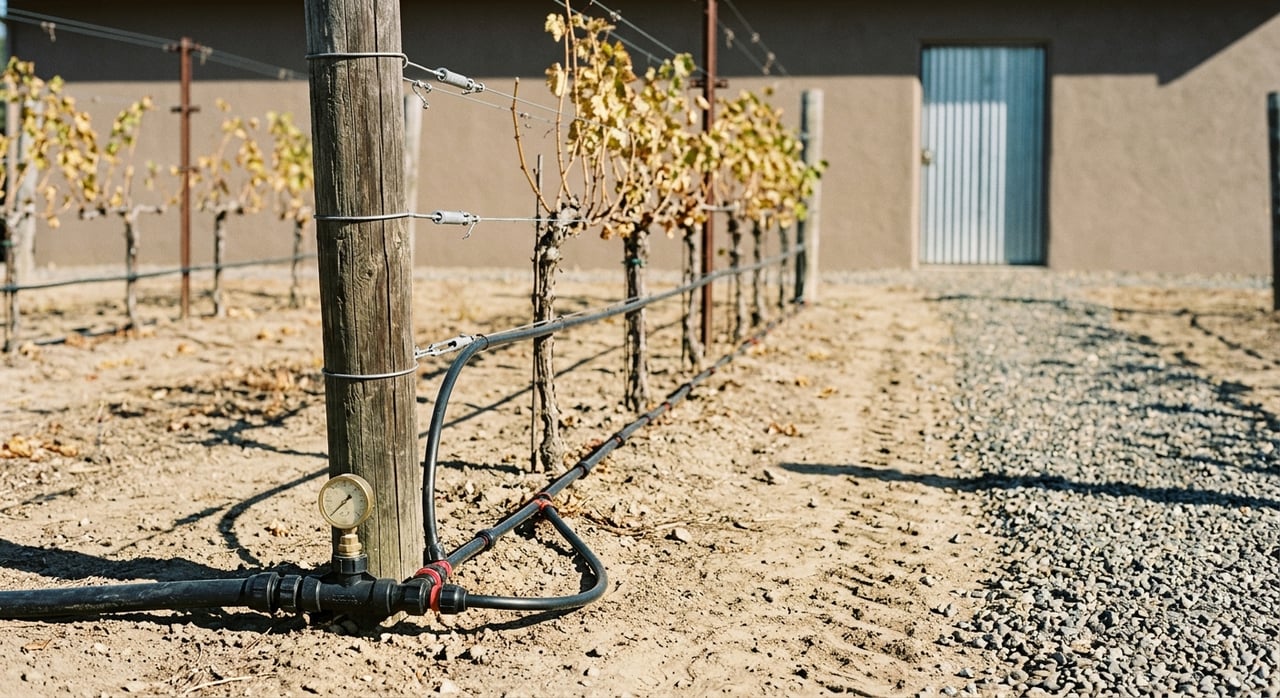
For smaller orchard or vineyard blocks, CSU Extension says micro-sprinkler irrigation can be a good fit for high-value crops. When managed well, it can use about 30% to 50% less water than gated pipe or furrow irrigation and can be especially useful on sloping or irregular blocks.
That does not mean every parcel should use the same method. It does mean irrigation design should match the ground, crop goals, and management style you actually want.
Rural planning and development limits
Mesa County’s rural master plan treats East Orchard Mesa and parts of the Palisade buffer as areas intended to remain largely agricultural. The county notes these areas are composed almost entirely of fruit orchards and vineyards, and that infrastructure such as water, fire flow, and high-capacity roads is often limited.
The plan also says rural residential development and multi-lot subdivision are discouraged in these areas. If part of your interest in acreage includes future split potential, that is something to examine very carefully before you move forward.
Ag classification is about use, not looks
Some buyers assume a property qualifies as agricultural land simply because it is rural or planted. Mesa County Assessor guidance makes clear that agricultural classification can depend on current or recent farm or ranch use, conservation restoration, or certain decreed water-right-based production uses.
In other words, classification can depend on actual use and water rights, not just zoning or appearance. That can affect carrying costs and should be reviewed early in the process.
Lifestyle tradeoffs are real
Acreage near Palisade can offer privacy, views, and production potential, but it often comes with more self-management than in-town living. Mesa County notes that many rural roads are private, farm equipment and large trucks are common, gates should be left as found, and canals are dangerous and not intended for recreation.
Palisade itself offers conveniences like a library, community facilities, and other town services, but county planning documents still point out that infrastructure can be limited outside town. For many buyers, the real question is not just “Can I buy acreage?” but “Do I want the daily responsibilities that come with it?”
Check hazards before you commit
Mesa County’s hazard mitigation planning identifies wildfire, flood, and landslide or rockfall as significant hazards in the Palisade area. The plan also notes the town lies near the Bookcliffs.
That does not automatically rule out a property. It does mean hazard exposure should be part of your review right alongside soils, water, and access.
Build the right due diligence team
With orchard or vineyard land near Palisade, value is tied closely to function. Water rights, district rules, irrigation delivery, soil conditions, and agricultural classification can all change how a property performs and what it costs to own.
That is why early review by a water attorney or ditch company representative, a tax professional, and a farm or horticulture specialist is prudent before closing or before removing contingencies. If you want to buy wisely, you need a clear picture of how the land lives and works.
When you are evaluating land in this part of Mesa County, practical guidance matters. That is where local experience with acreage, water considerations, and rural property details can make the process feel much more manageable. If you are considering orchard or vineyard land near Palisade, Sorrel Properties is here to help you look beyond the listing photos and evaluate the property with clarity.
FAQs
What makes Palisade land good for orchards and vineyards?
- Palisade and East Orchard Mesa are identified by Mesa County as areas with soils and micro-climates especially suited to orchards and vineyards, supported by the area’s arid climate and growing season.
What should you check first on orchard or vineyard land near Palisade?
- Start with the parcel’s slope, drainage, soils, water access, road access, and irrigation setup, because those factors can strongly affect whether the property fits your intended use.
How do water rights affect Palisade agricultural land?
- In Colorado, water rights are property rights with priority dates, and in the Palisade Irrigation District, irrigation water is attached to the land and shares are not transferable.
Can every Palisade acreage parcel be split or developed further?
- No. Mesa County’s rural master plan says parts of the Palisade area are meant to remain largely agricultural, and rural residential development and multi-lot subdivision are discouraged in those areas.
Does agricultural classification in Mesa County depend only on zoning?
- No. Mesa County Assessor guidance says agricultural classification can depend on qualifying farm or ranch use, conservation restoration, or certain decreed water-right-based production uses.
What professionals should you consult before buying Palisade orchard or vineyard land?
- A water attorney or ditch company representative, a tax professional, and a farm or horticulture specialist are prudent contacts before closing or before removing contingencies.