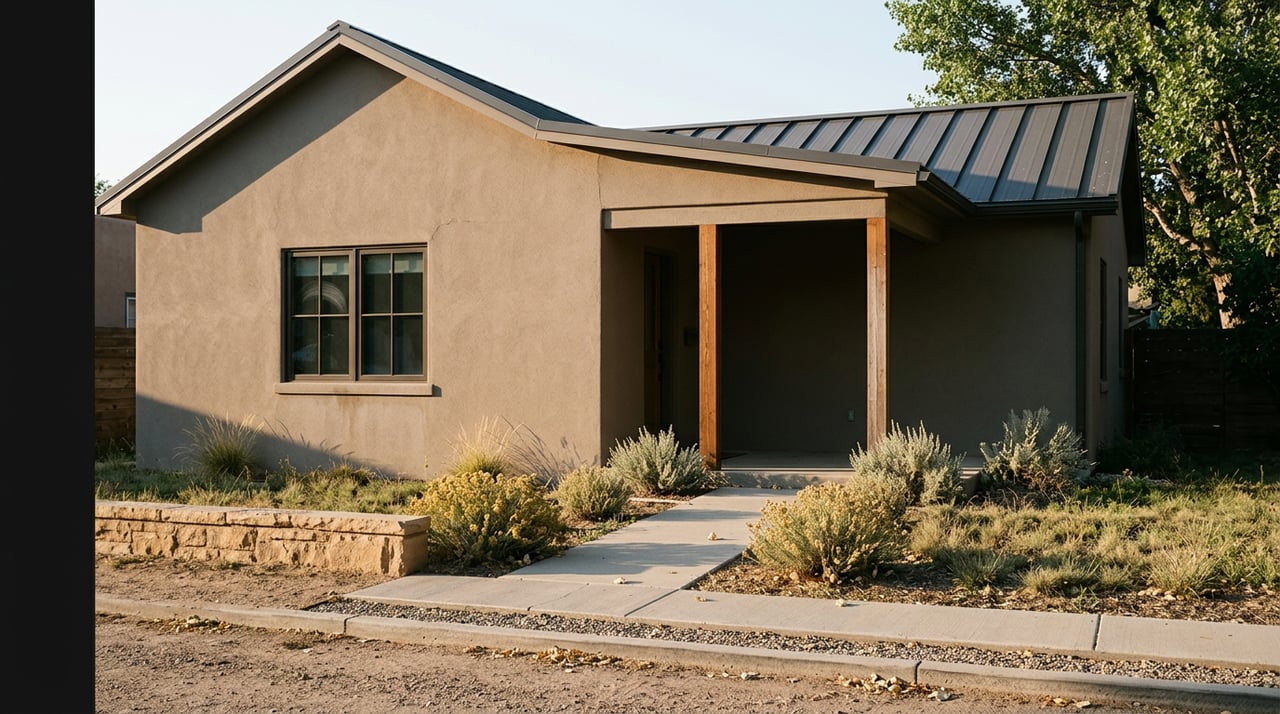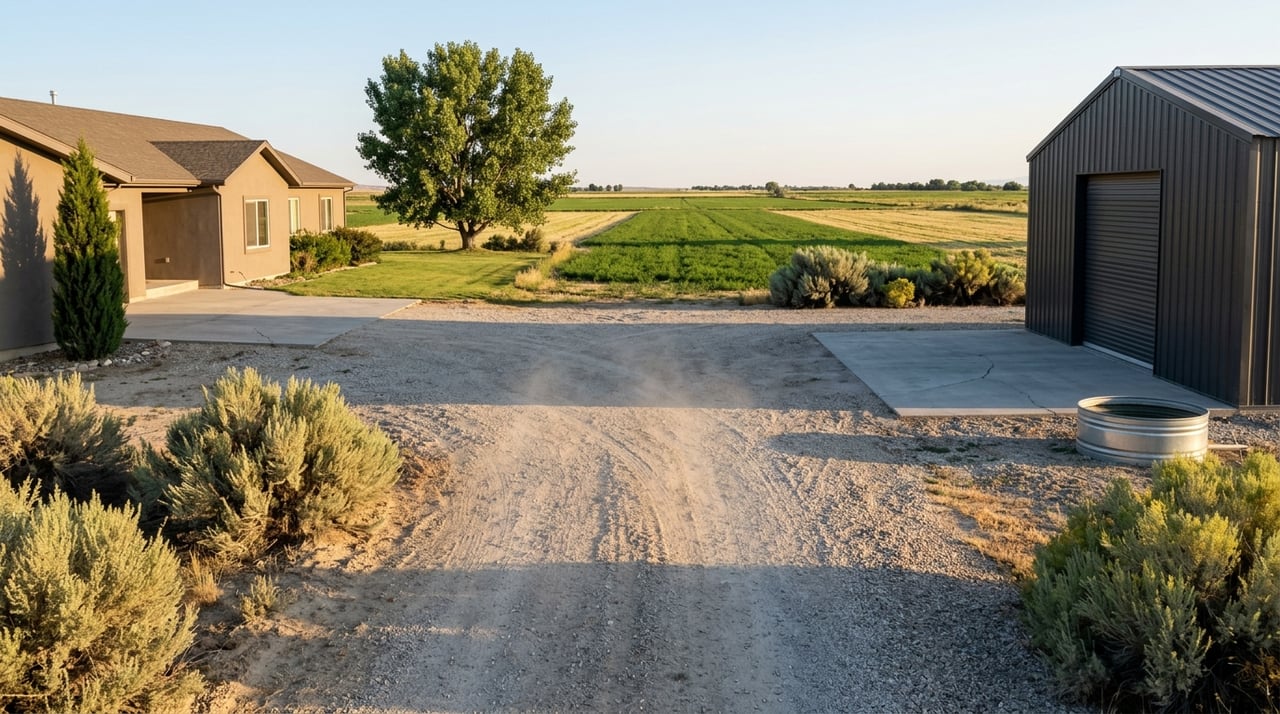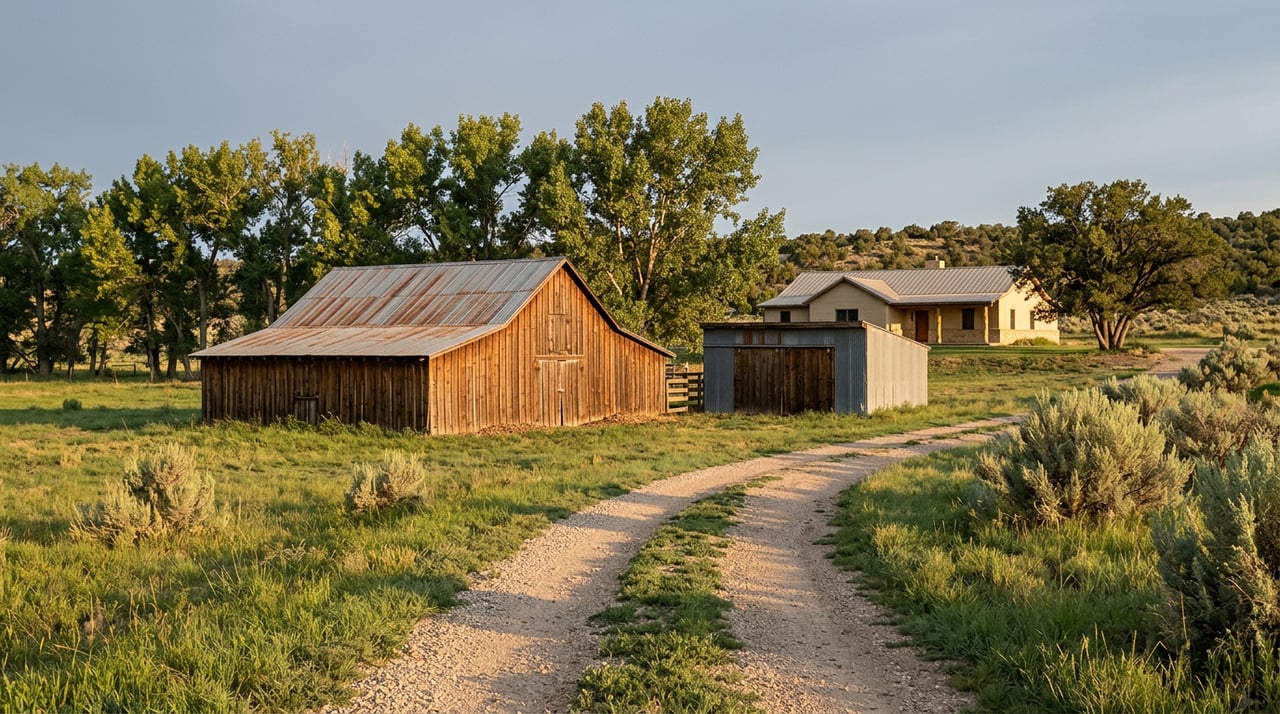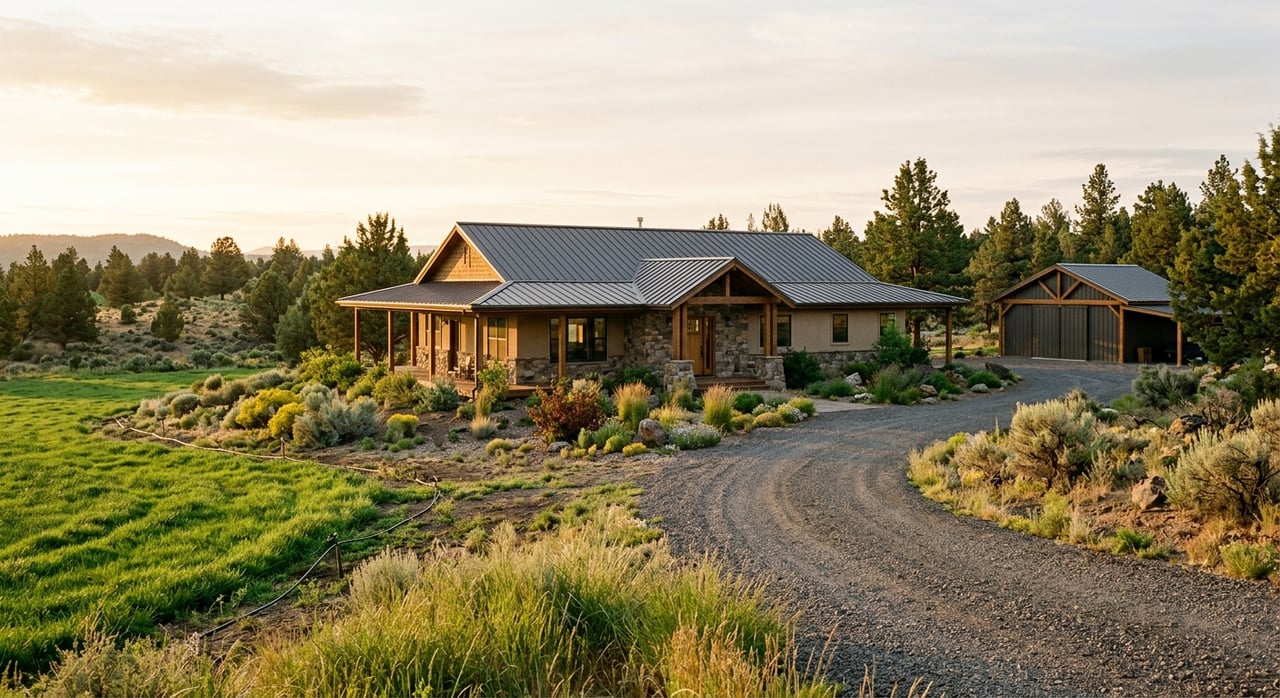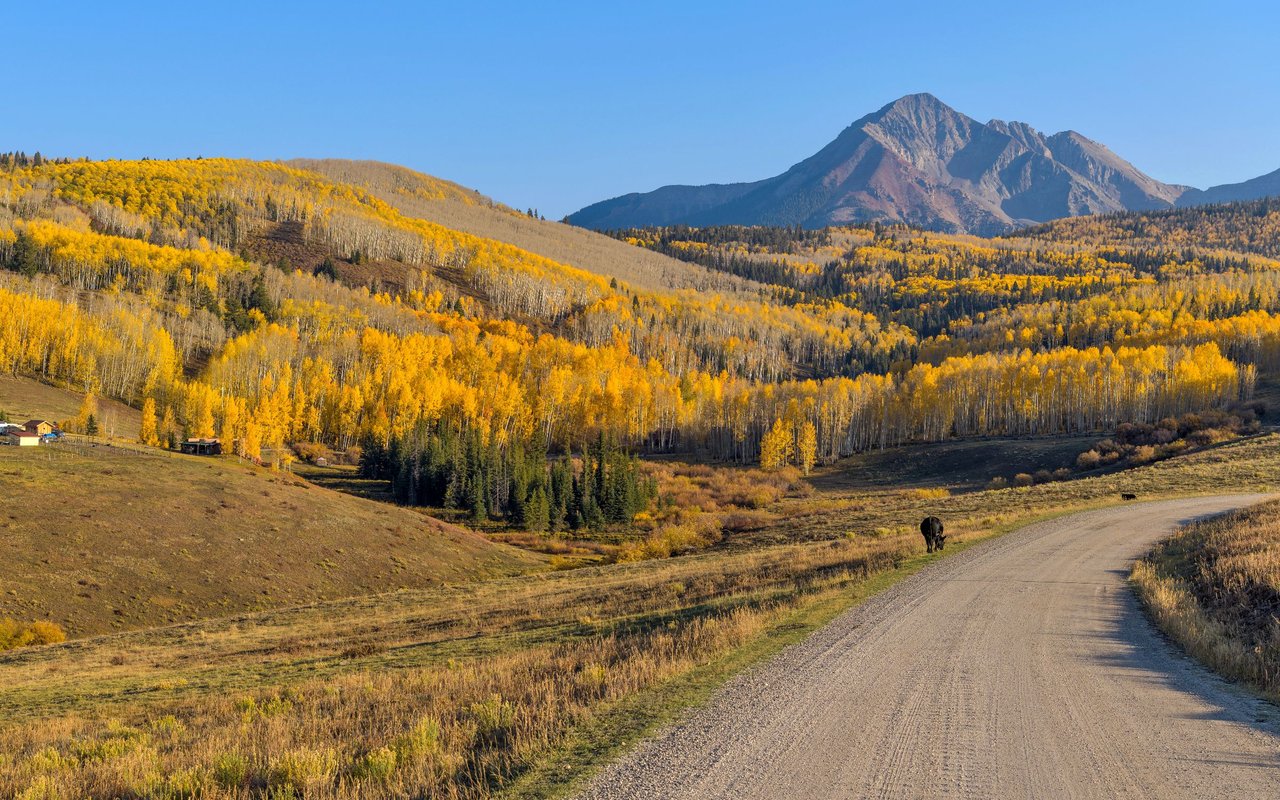
If you are selling a horse property in Loma, looks alone will not carry the day. Buyers in this part of Mesa County usually want more than a pretty view. They want to understand how the place works for horses, how the land is watered, and how much effort it may take to maintain. When you prepare your property with those questions in mind, you make it easier for the right buyer to see both value and fit. Let’s dive in.
Start With How Loma Buyers Think
Loma sits in Mesa County, where much of the land is unincorporated and the climate is semi-arid. That matters because horse-property buyers here often look past curb appeal and focus on practical questions like water source, pasture use, and how the setup handles dry conditions.
Colorado State University Extension notes that dryland small-acreage pastures can be hard to maintain and are sensitive to grazing pressure and hoof traffic. In the Grand Valley, irrigation also plays a major role in land productivity, which is why many buyers will ask about water early in the conversation.
Make Horse Facilities Feel Easy To Use
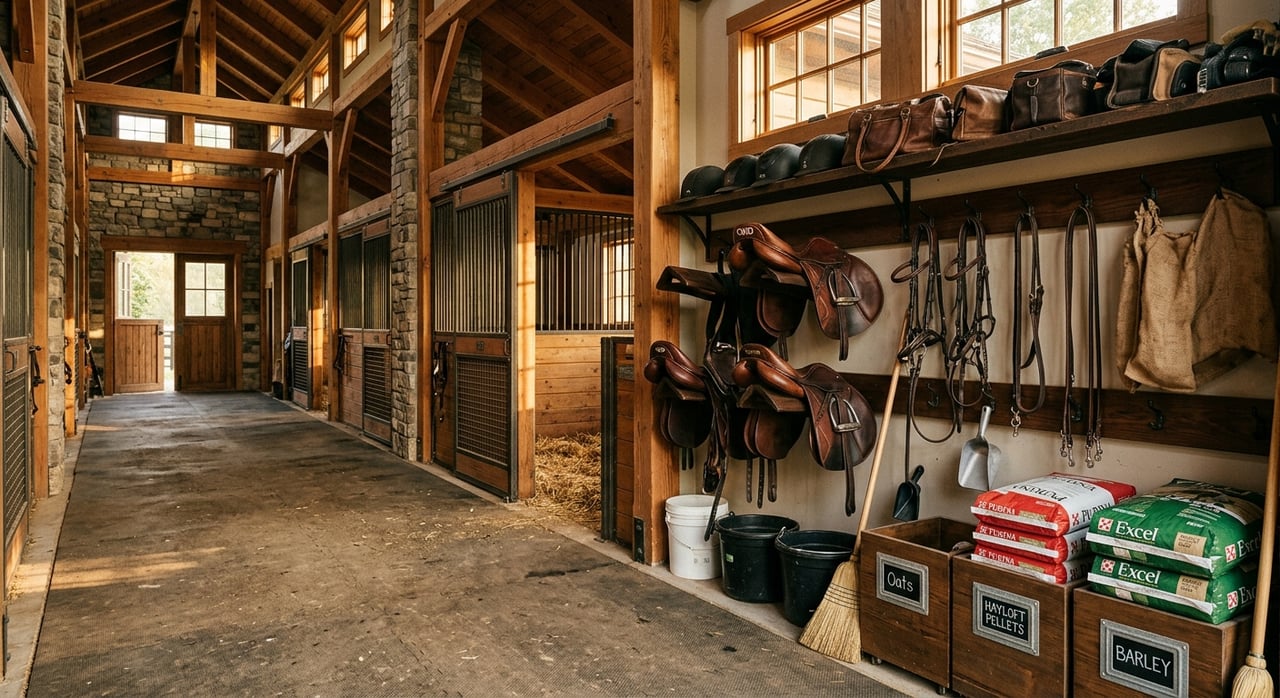
A buyer should be able to walk through your barn and quickly understand how daily horse care happens there. The goal is not to make the property look fancy. The goal is to make it look cared for, organized, and simple to manage.
Clean Barn Spaces Matter
CSU Extension recommends dedicated horse equipment and regular cleaning of shared surfaces like tack-room doors, handles, crossties, hoses, and feed rooms. Before photos or showings, remove extra clutter, wipe down visible surfaces, and make sure the barn reads as orderly.
If certain items will stay with the property, label or group them clearly. That helps buyers see function instead of guessing what belongs where.
Tidy Feed And Tack Areas
Feed storage says a lot about overall property care. CSU Extension advises keeping feed fresh and safe, storing it off the floor, and sealing doors against pests.
For showings, stack hay neatly, organize grain containers, and clear out anything broken or unnecessary. A clean tack room and feed room can make the entire horse setup feel more dependable.
Keep Visitor Parking Separate
Parking may seem like a small detail, but it shapes first impressions. CSU Extension recommends keeping visitor parking away from the main horse-housing area.
If you have room, direct vehicles to a clear, clean parking area that does not interfere with stalls, paddocks, or barn traffic. That simple step can make the property feel safer and better planned.
Refresh The Arena Before Showings
If your property has an arena, buyers will notice its condition right away. Even if they are not professionals, they can usually tell the difference between a maintained riding surface and one that has been ignored.
University of Kentucky Extension explains that arena surfaces depend on footing, base, and sub-base layers, and that outdoor arenas benefit from good drainage and regular maintenance. Footing and additives also break down over time, and dust often increases as footing ages.
Focus On Visible Maintenance
Before a showing, drag the arena, smooth out ruts, and remove manure. If the surface looks graded and intentional, buyers are more likely to view it as usable from day one.
You do not need to overpromise what the arena is. You do need to present it in a way that shows care and makes it easy to assess.
Help Buyers Understand Drainage
In a place like Loma, drainage and dust control matter. If your arena has a crown or another drainage feature, be ready to point that out in simple terms.
The more clearly you can explain what the footing is like and how it is maintained, the more confidence buyers tend to have in the setup.
Show The Land As Usable, Not Just Scenic
Horse buyers are often trying to answer one core question: can this land actually support the way I want to live with horses? Your job is to help them see the layout clearly.
That means your acreage should look intentional, not random. Pens, turnouts, pasture edges, and gates should all suggest a property that has been actively managed.
Clean Up Pastures And Turnouts
CSU Extension recommends rotational grazing, recovery periods, and designated sacrifice areas so grass has a chance to regrow. It also notes that dryland Colorado pastures often need rest, and during drought conditions horses may need to be confined to a sacrifice area with supplemental hay or grain.
For listing prep, mow where needed, pick up manure, clear brush, and straighten portable fencing. When turnout areas look defined and maintained, buyers can more easily picture how they would use them.
Make Separation Areas Obvious
Many horse owners want the ability to separate animals when needed. That could be for feeding, turnout management, or introducing new horses carefully.
CSU Extension notes that paddocks should be kept 3 feet apart to reduce horse-to-horse contact. If your layout includes separate pens, a dry lot, or a quarantine-style area away from resident horses, make sure that function is easy to spot during a showing.
Clean Water Troughs And Edges
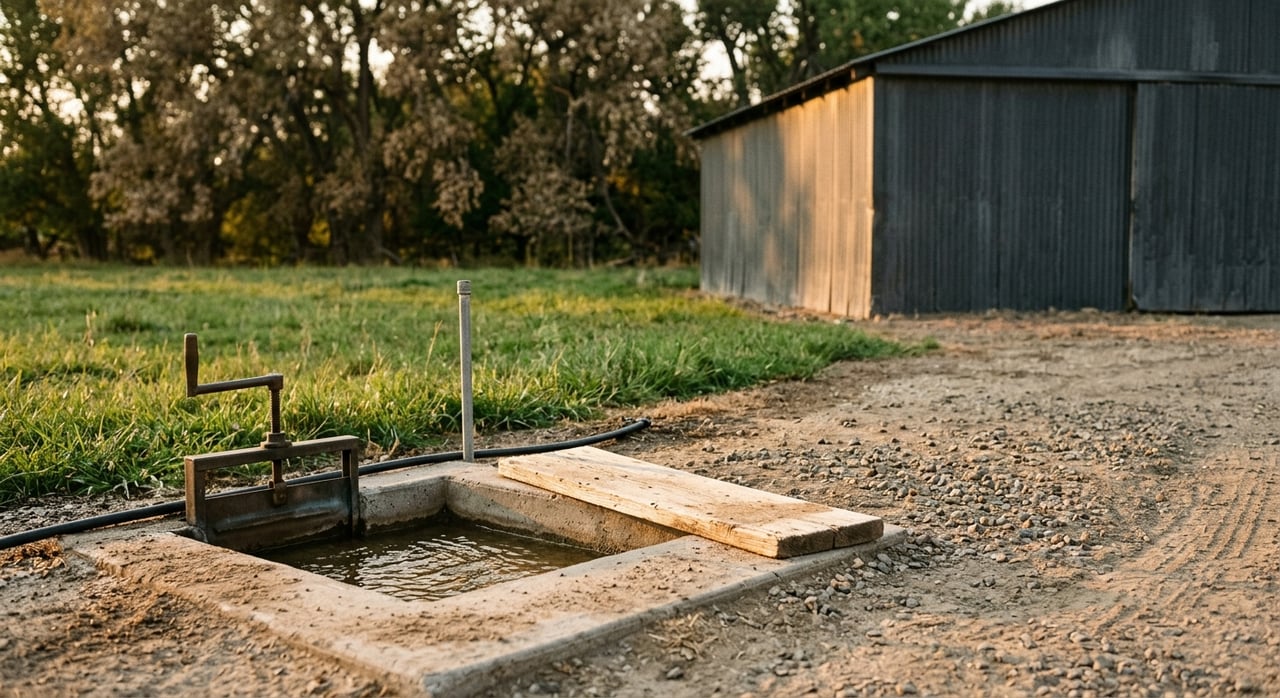
Water areas can quickly shape a buyer’s impression of the whole property. CSU Extension recommends cleaning group-turnout water troughs at least weekly.
Before a showing, scrub troughs, clear mud buildup where possible, and tidy the surrounding ground. Clean water points suggest steady care and responsible management.
Organize Water Information In Advance
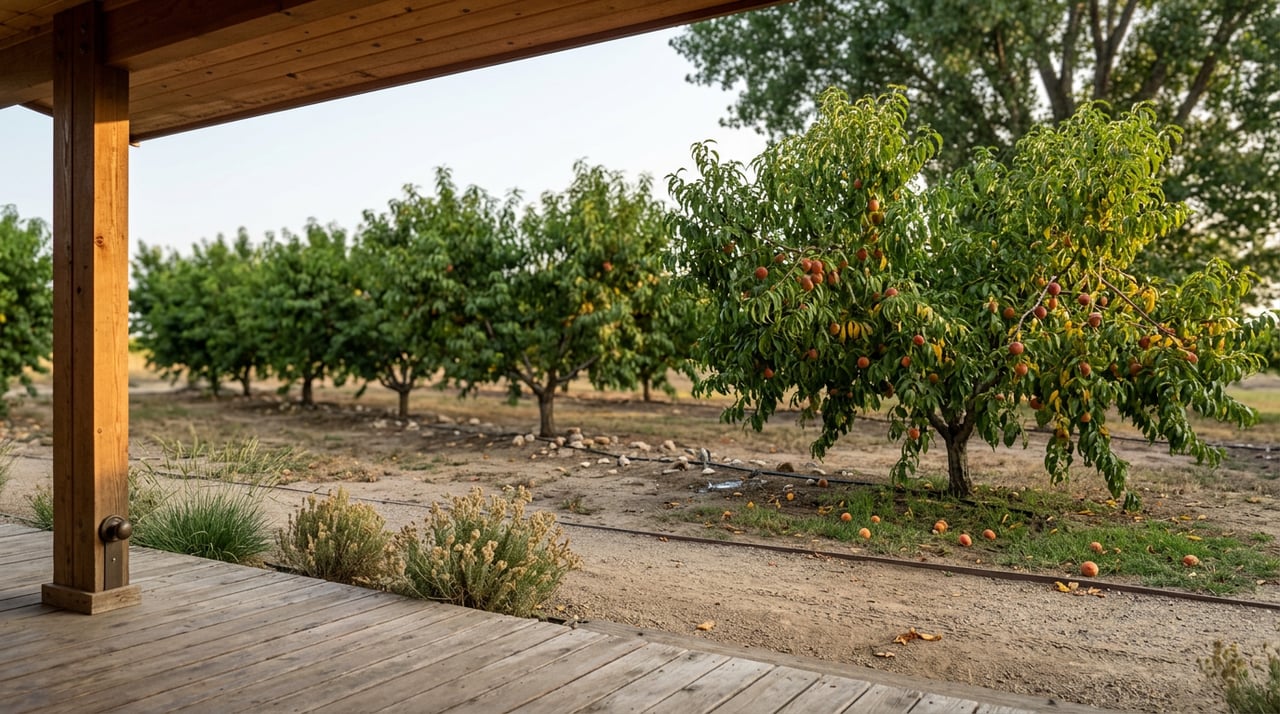
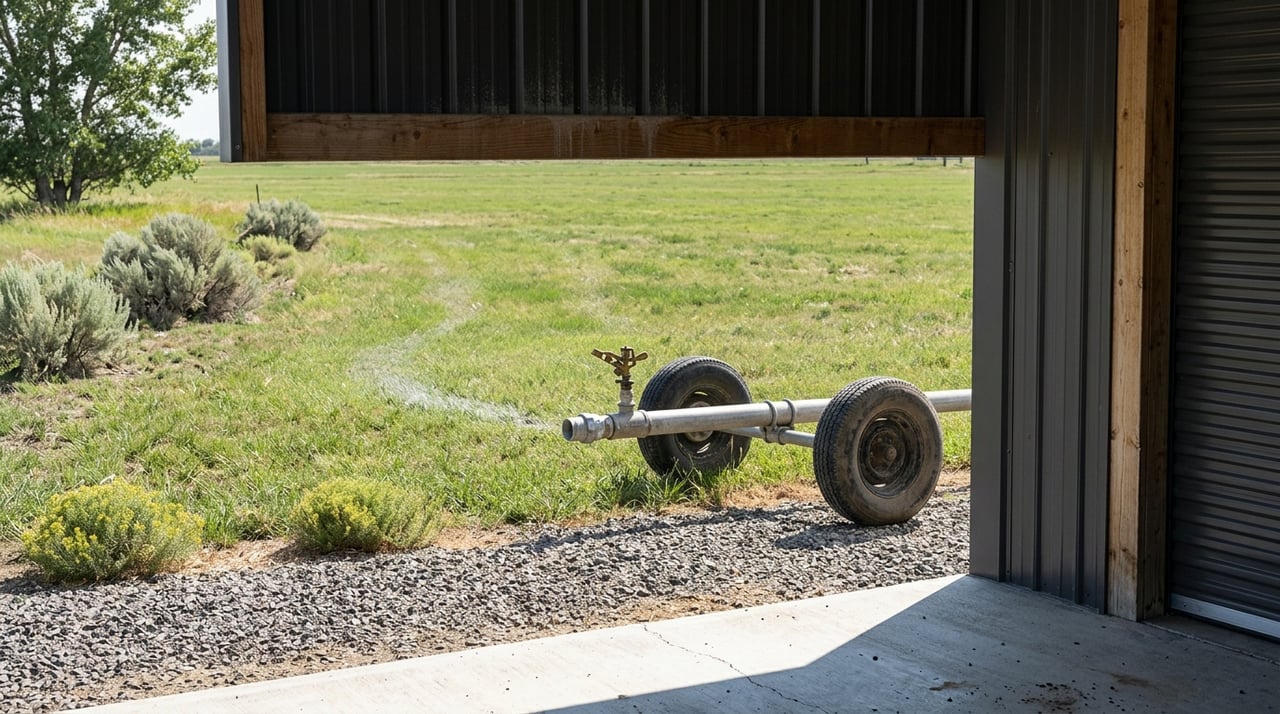
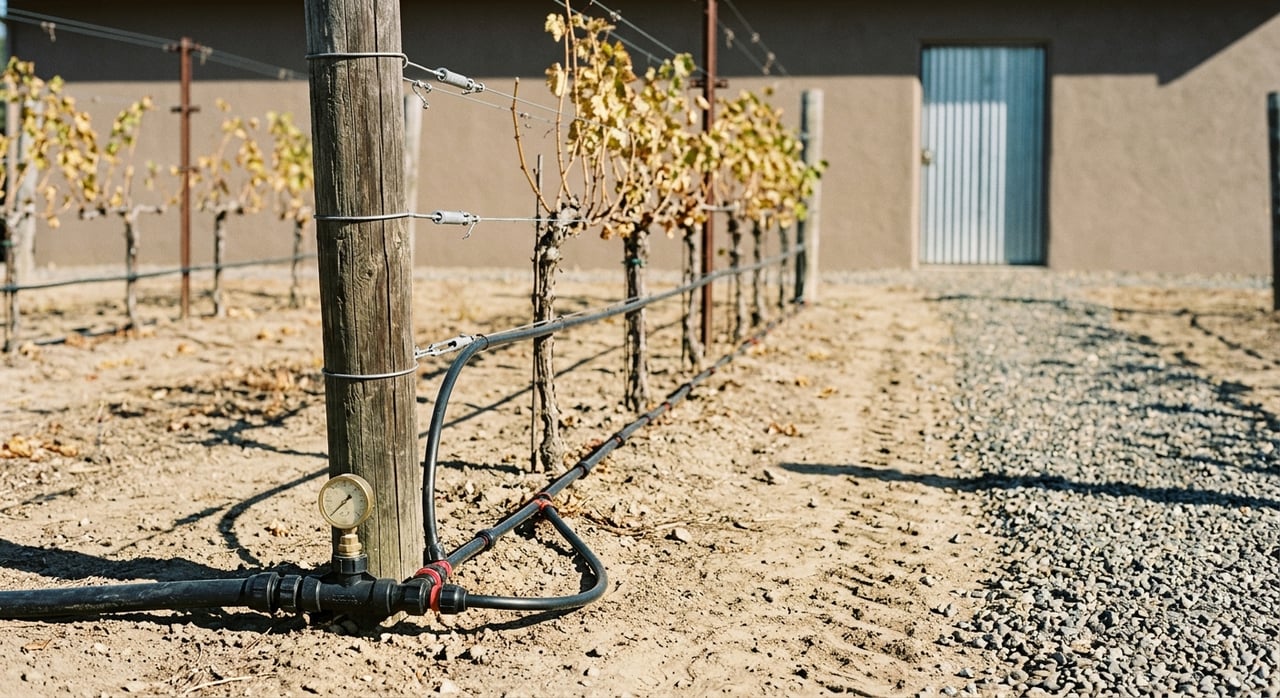
In Loma, one of the first serious buyer questions is often about water. Not just whether the property has it, but where it comes from and how it serves the land.
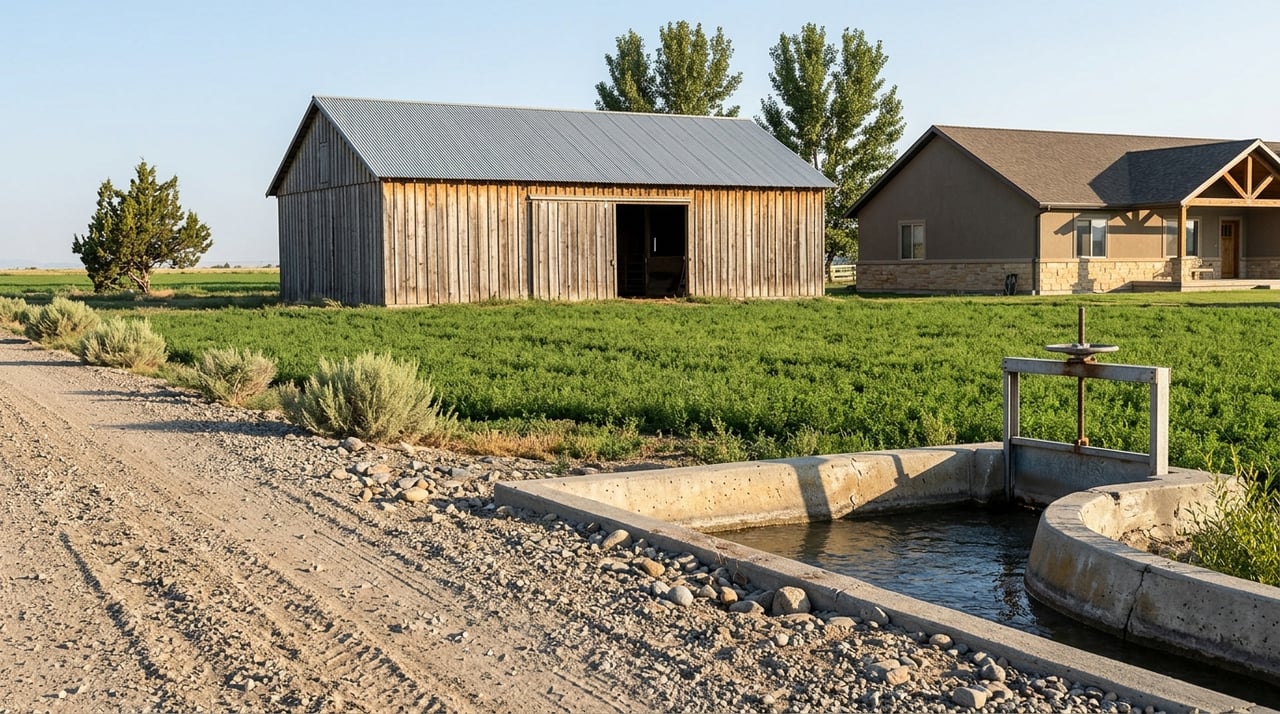
Mesa Conservation District lists six major irrigation providers serving about 85,000 acres in the Grand Valley. These include Grand Valley Irrigation Company, Grand Valley Water Users Association, Palisade Irrigation District, Orchard Mesa Irrigation District, Redlands Water and Power, and Mesa County Irrigation District.
Be Ready To Explain The Source
If your property receives irrigation water, know which provider serves it and how that water reaches the land. For example, Grand Valley Irrigation Company says its canal system is nearly 100 miles long and delivers irrigation water to roughly 40,000 acres from Palisade to Mack. Mesa County Irrigation District says its water is diverted from the Colorado River at Cameo Diversion Dam and carried through the Government Highline Canal to serve more than 33,000 acres.
You do not need a long speech. You just need a clear, accurate explanation that helps buyers understand the system behind the property.
Gather The Basics Buyers Expect
Mesa County’s agricultural questionnaire gives a good picture of the facts buyers often want to know. That includes whether the property holds irrigation or water rights, what the water source is, whether the land is adequately fenced, whether gates are locked, how many months the property is accessible to vehicles, and whether outbuildings are present.
When you organize this information before listing, you reduce confusion and make the property easier to evaluate. It also signals that you understand the working parts of rural ownership.
Answer The Practical Questions Early
The strongest horse-property listings in Loma usually do one thing very well. They remove guesswork.
Buyers are likely to ask how much acreage is irrigated versus dry lot, what the arena footing is like, how much tack and feed storage the property offers, where trailers can park, and whether horses can be separated cleanly if needed.
Use A Simple Property Map
CSU Extension recommends using a map that shows stall and paddock locations, property lines, and water sources. A simple map can help buyers understand the setup faster than a long verbal explanation.
It does not need to be fancy. It just needs to be clear enough to show how the property functions.
Pay Attention To Manure Management
Buyers often notice the details that suggest how much upkeep a property requires. CSU Extension advises that clean water should be diverted away from corrals and manure storage, and that manure should be kept away from water bodies and wells.
A tidy manure area and clean drainage paths can help the property feel better maintained overall. It also helps buyers assess day-to-day management more confidently.
Focus On Clarity Over Perfection
You do not need your Loma horse property to look like a show barn to attract the right buyer. You do need it to tell a clear story about where horses live, how the land is used, and how water supports the property.
In a semi-arid part of Western Colorado, that kind of clarity matters. When the barn is clean, the arena is maintained, the turnout layout makes sense, and the water information is ready, buyers can focus on the opportunity instead of the unknowns.
If you want help preparing a Loma horse property for market with a grounded understanding of land, water, fencing, and equine use, Sorrel Properties is here to help.
FAQs
What do Loma horse-property buyers care about most?
- Buyers often focus on usable land, water source, irrigated acreage, fencing, horse facilities, storage, trailer access, and how easy the property is to manage in a semi-arid climate.
How should you prepare a barn for horse-property showings in Loma?
- Clean shared surfaces, reduce clutter, organize tack and feed areas, store feed off the floor, seal storage areas against pests, and make the barn feel orderly and functional.
What should you do with an arena before listing a horse property in Mesa County?
- Drag the arena, smooth ruts, remove manure, and present the footing as maintained and intentional so buyers can better judge usability.
Why is water information so important for Loma horse properties?
- In the Grand Valley, irrigation strongly affects pasture productivity and land use, so buyers often want clear details about water source, provider, and how the property is served.
What land details should you organize before selling a Loma horse property?
- Have basic facts ready about irrigation or water rights, fencing, gate security, vehicle access, outbuildings, paddock layout, and where horses can be separated if needed.
How can you make horse acreage look more usable to buyers?
- Mow pasture edges, pick up manure, clear brush, arrange portable fencing neatly, clean water troughs, and make pens and turnouts look deliberate rather than improvised.