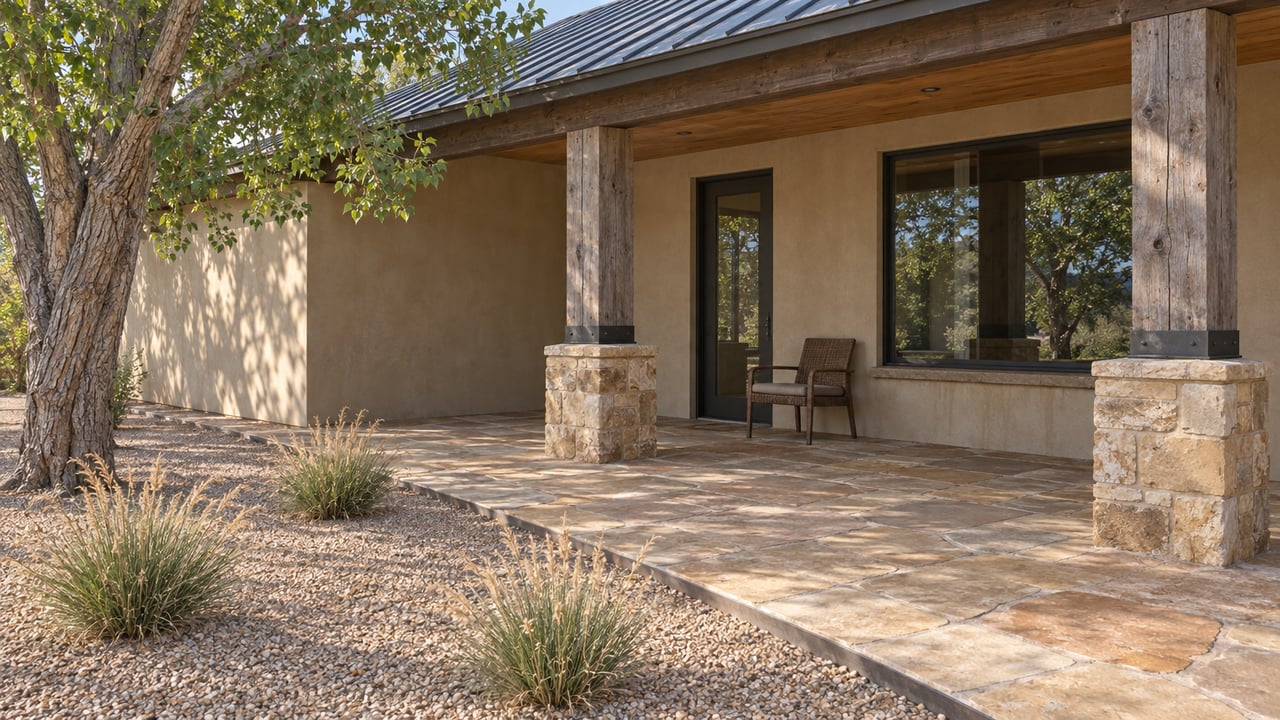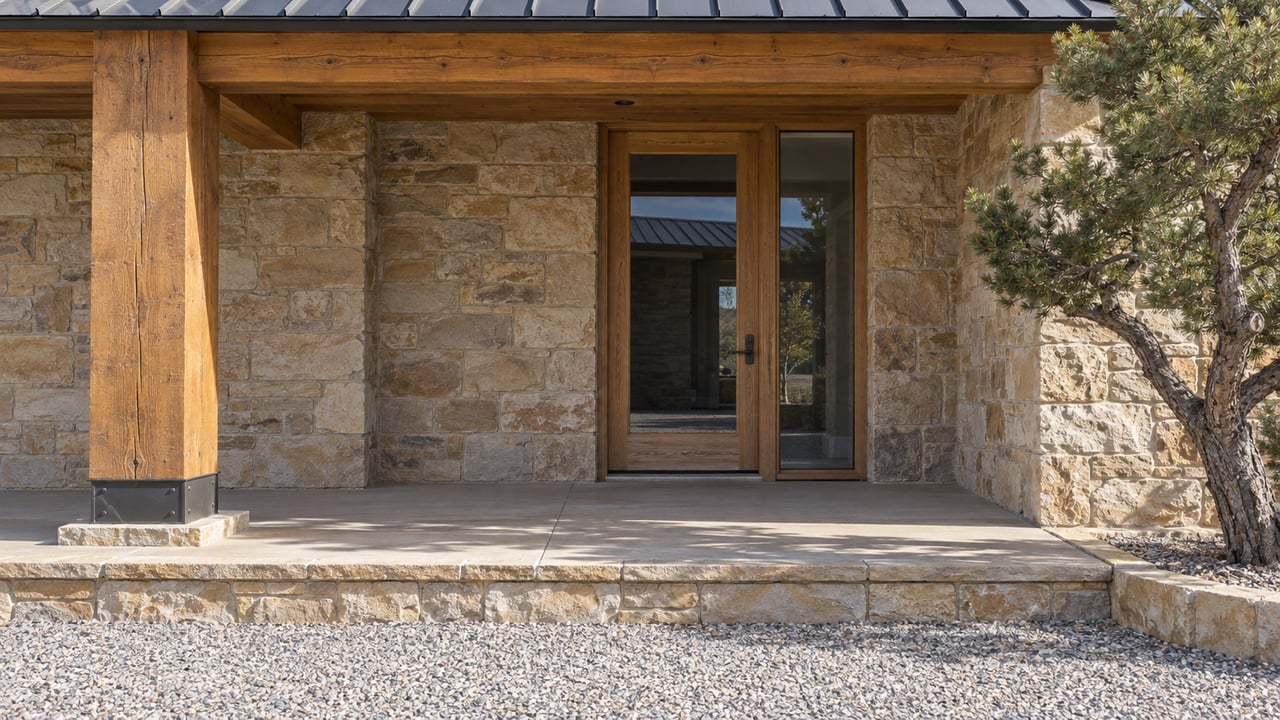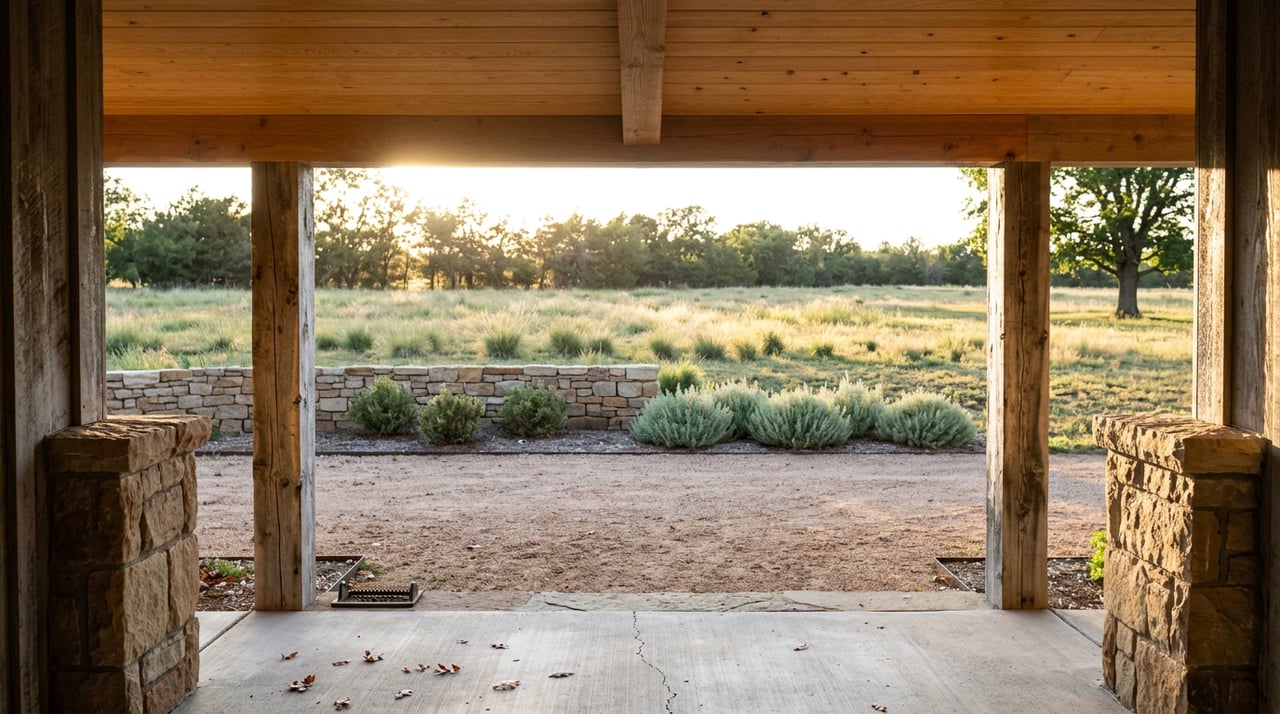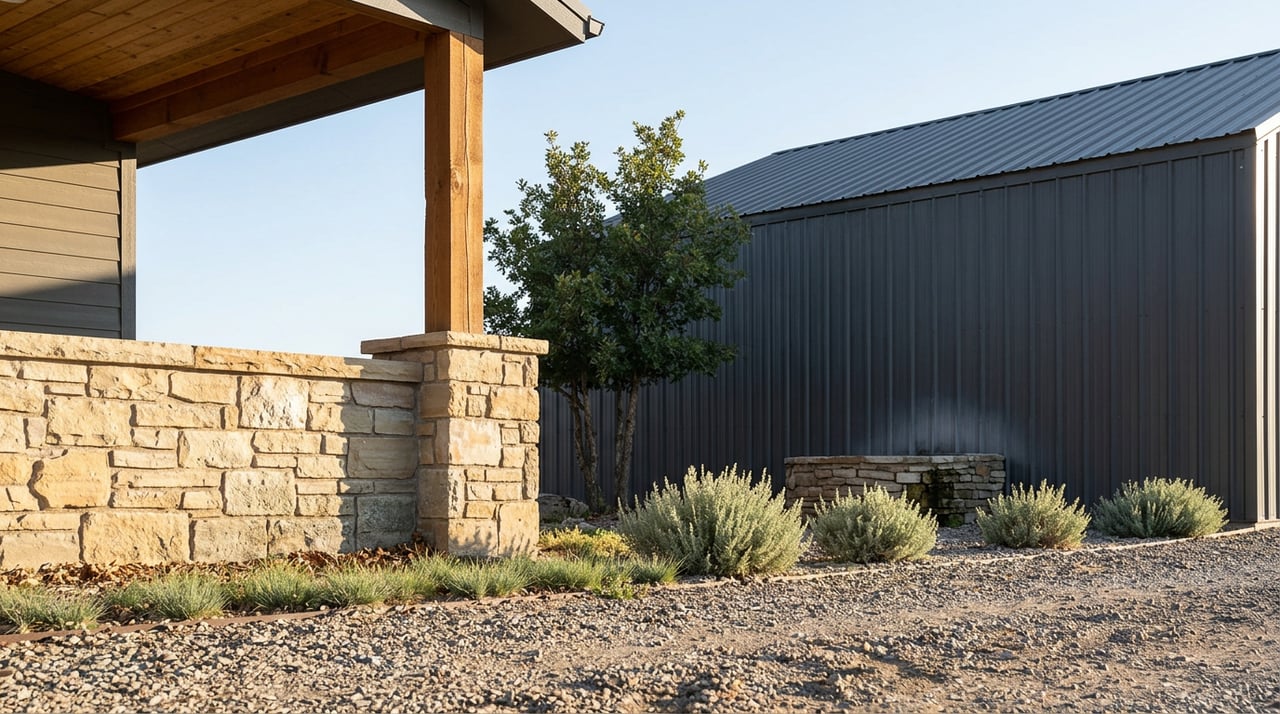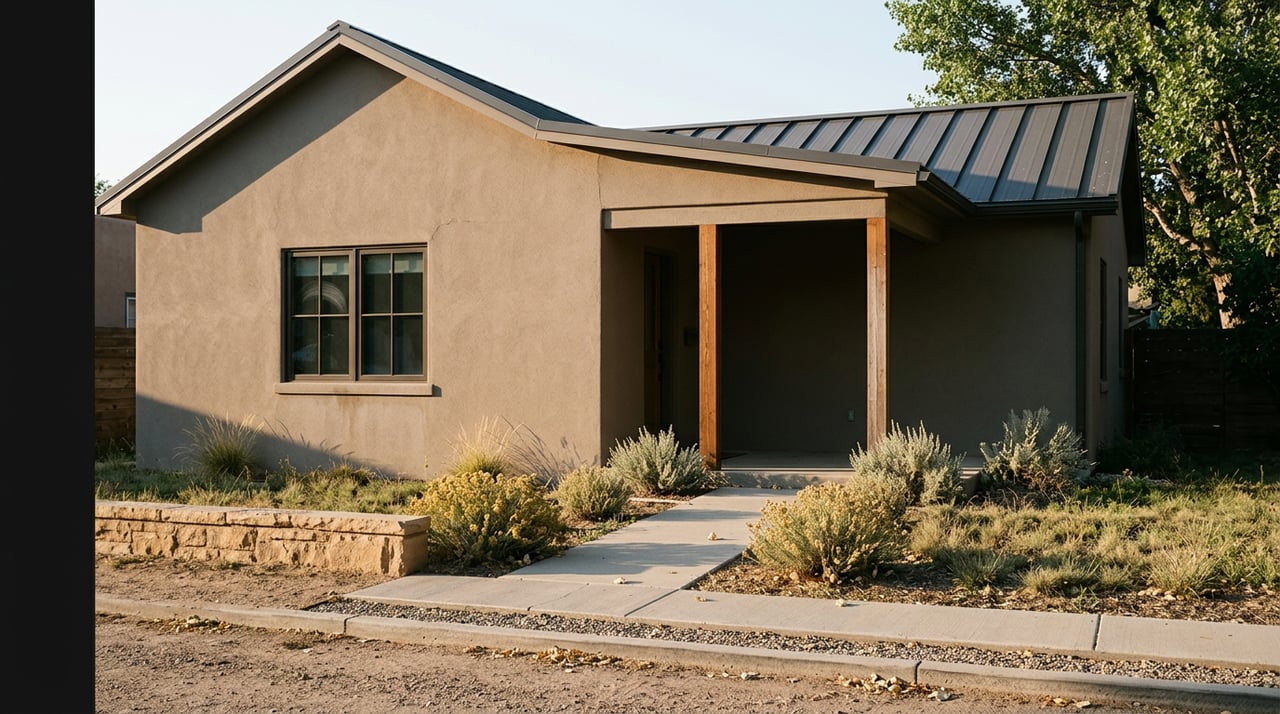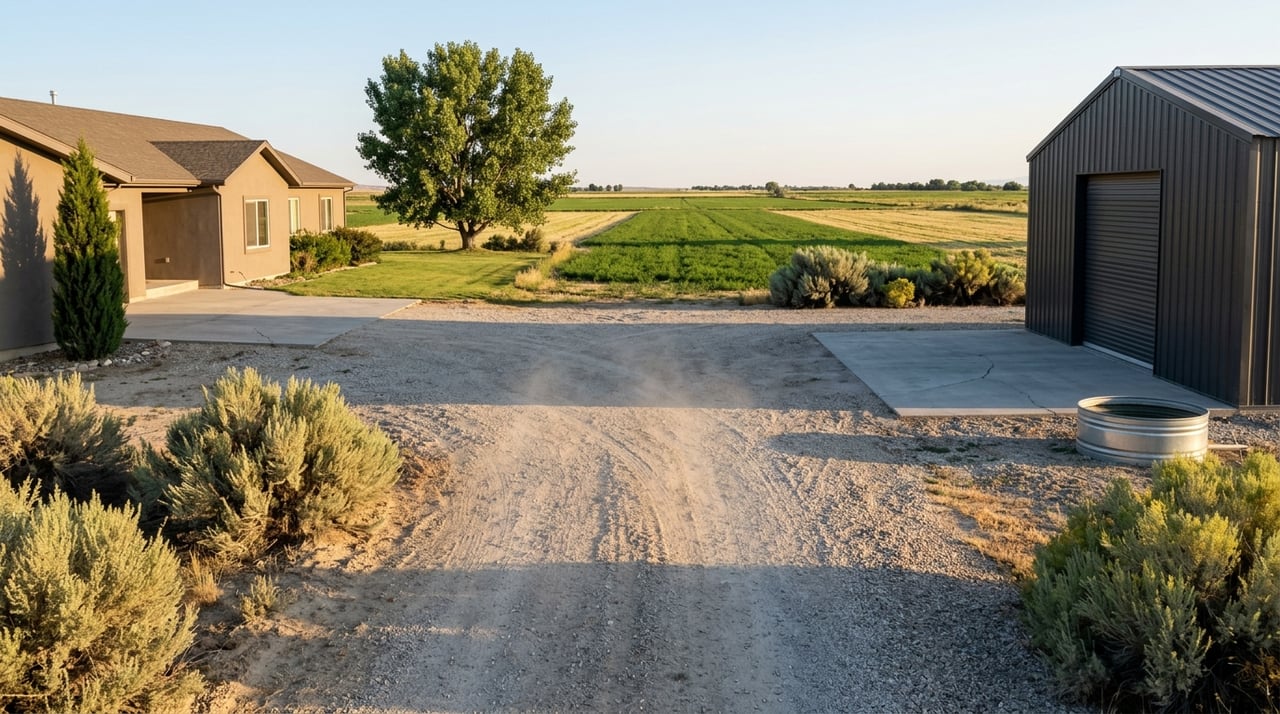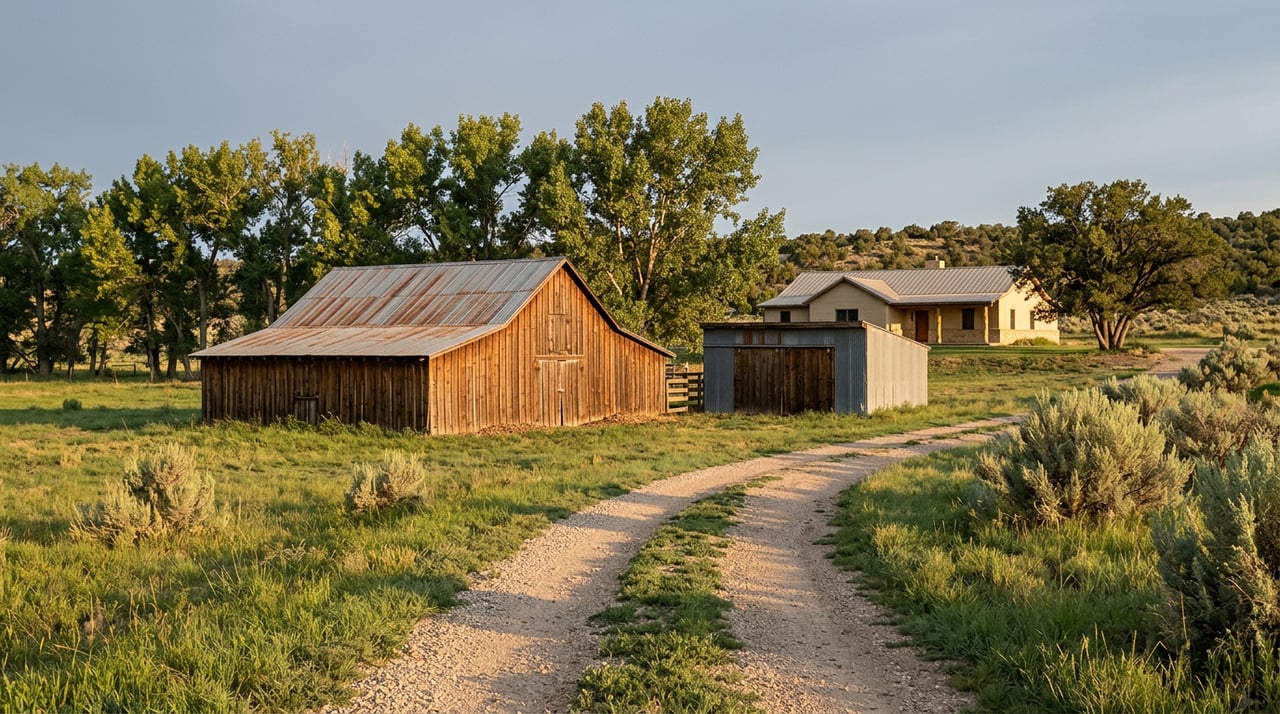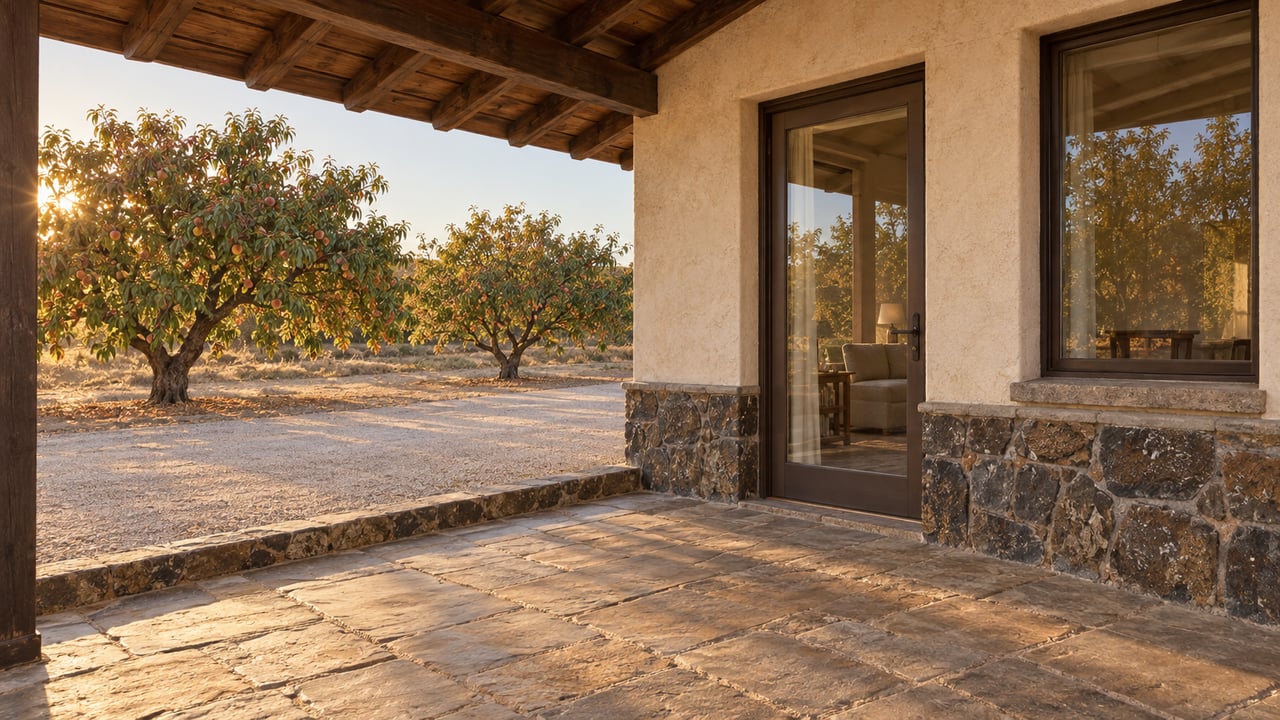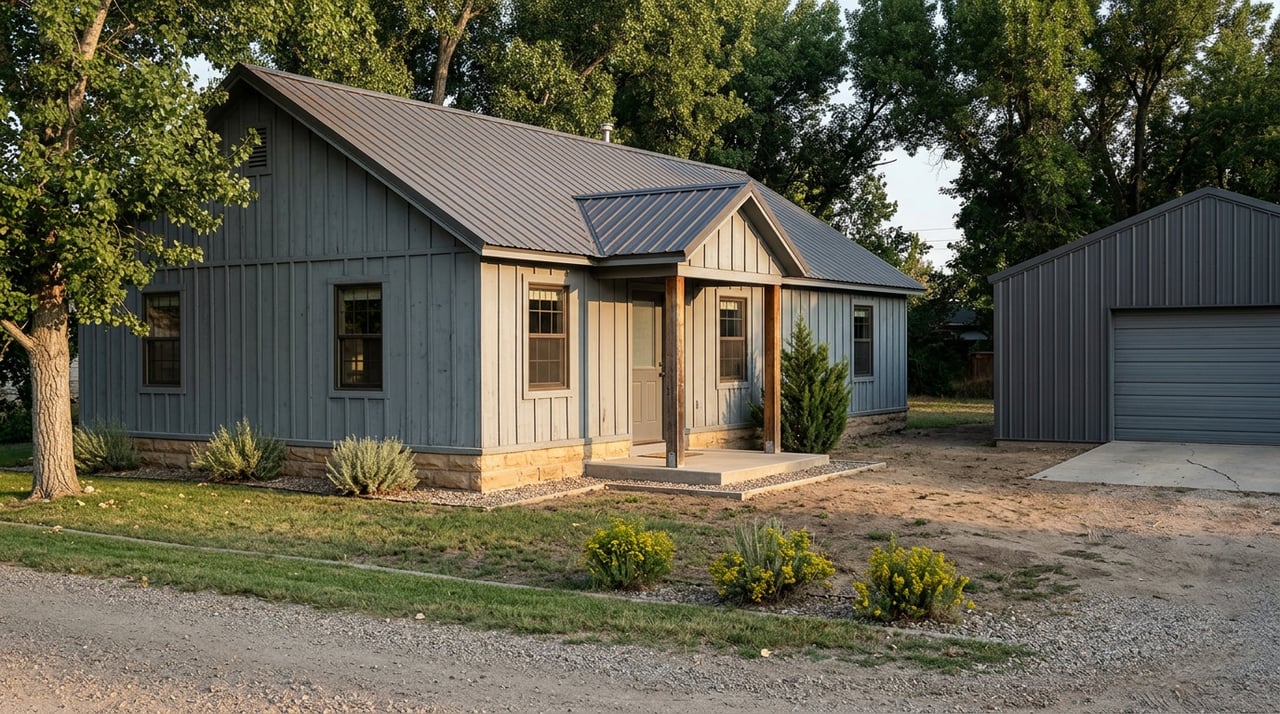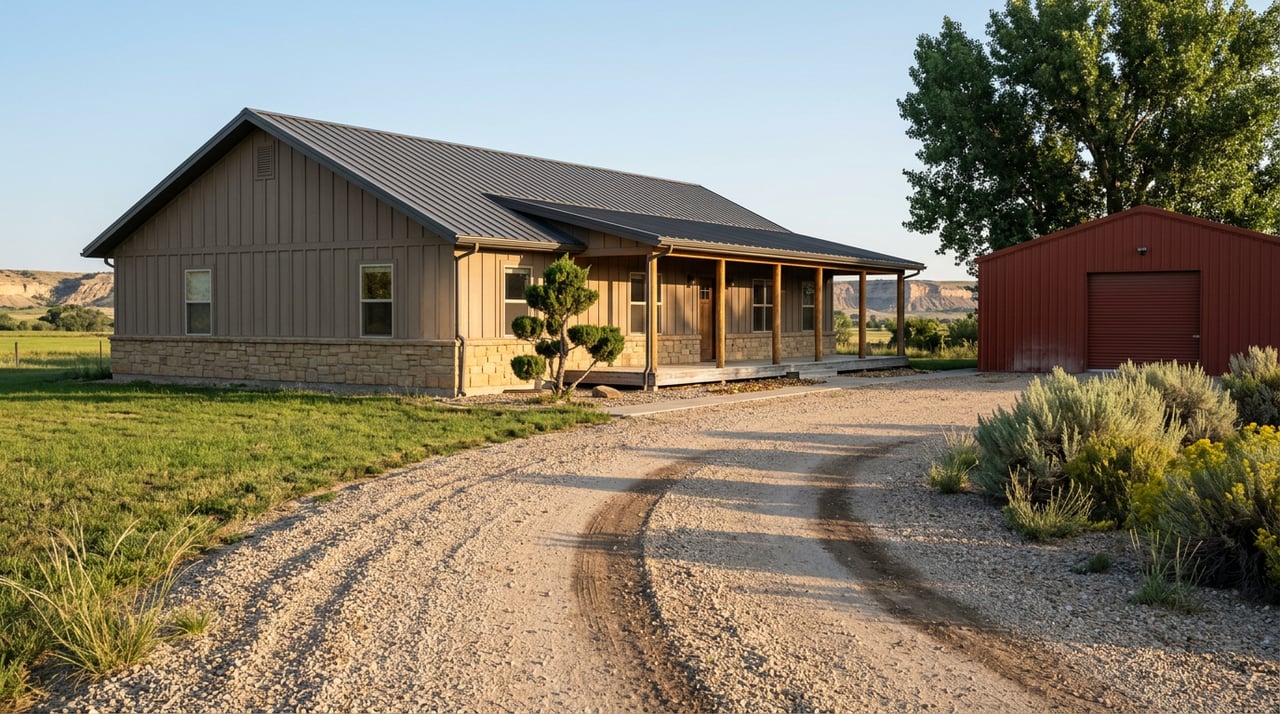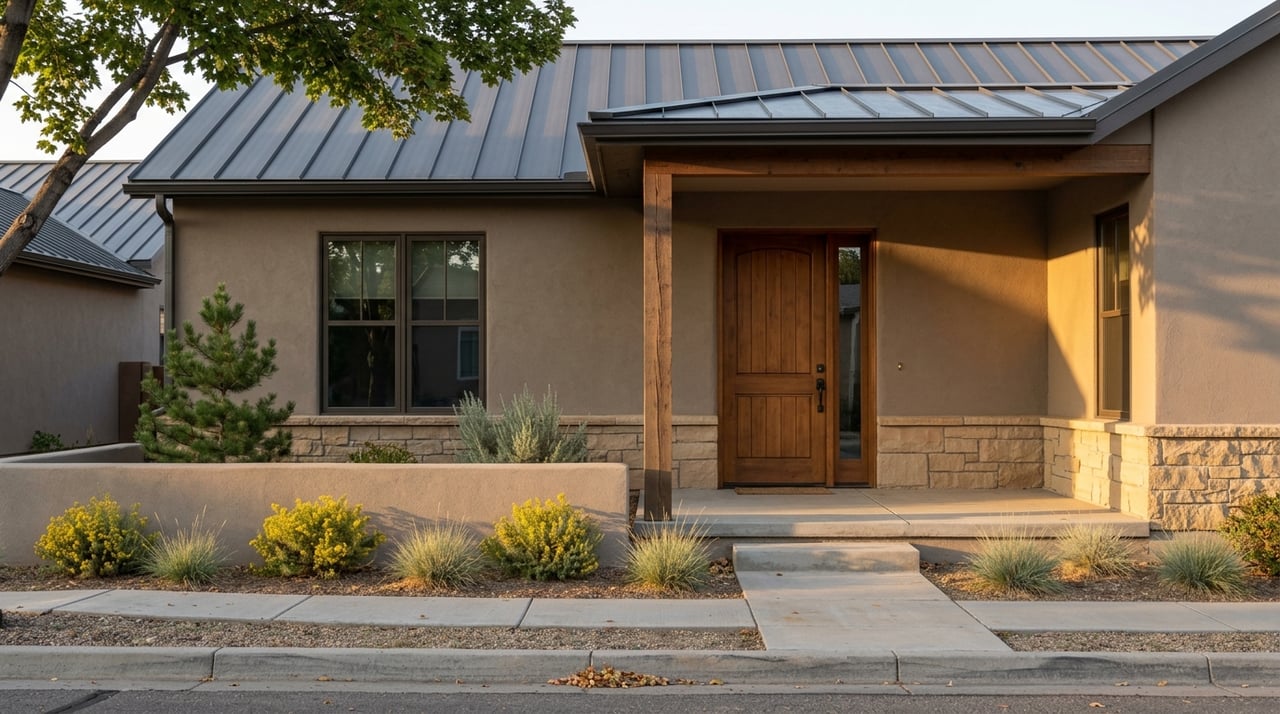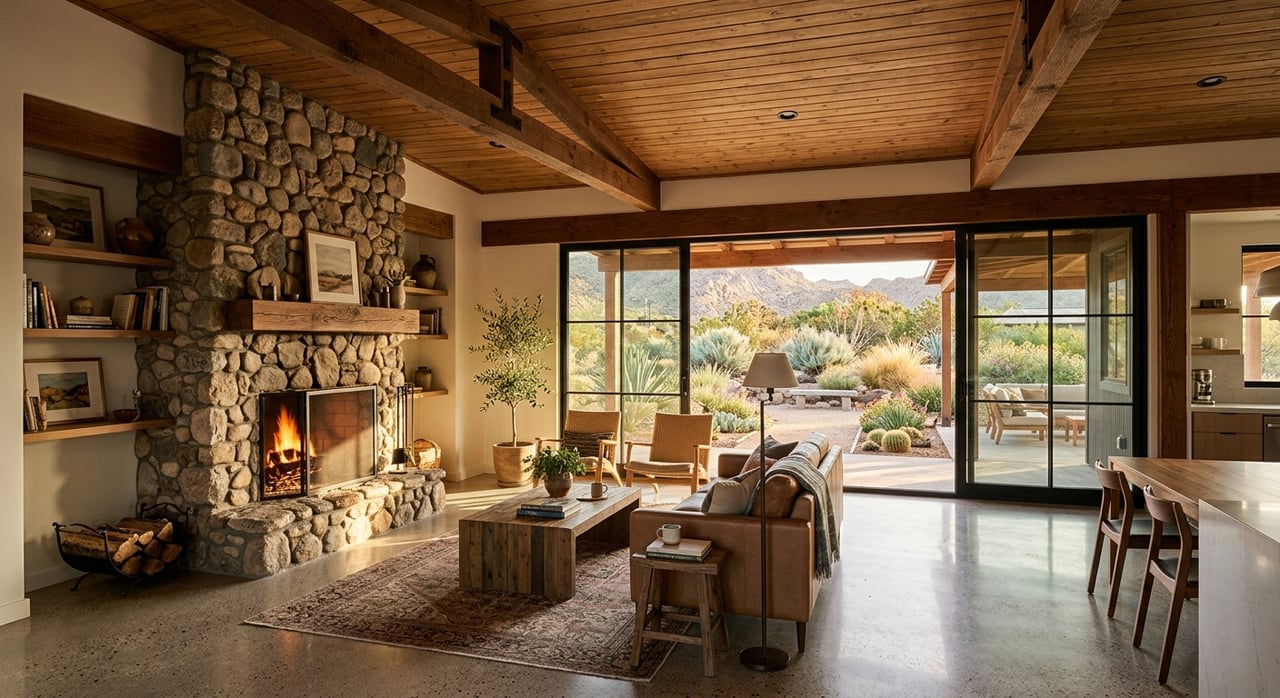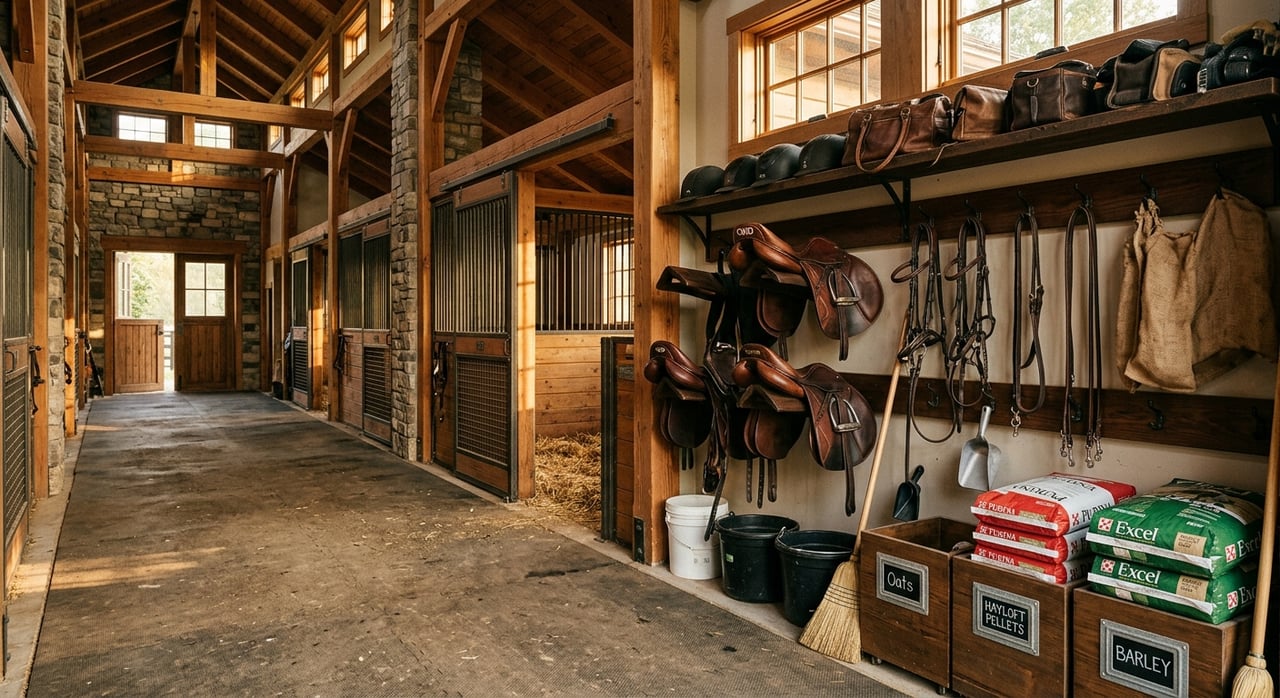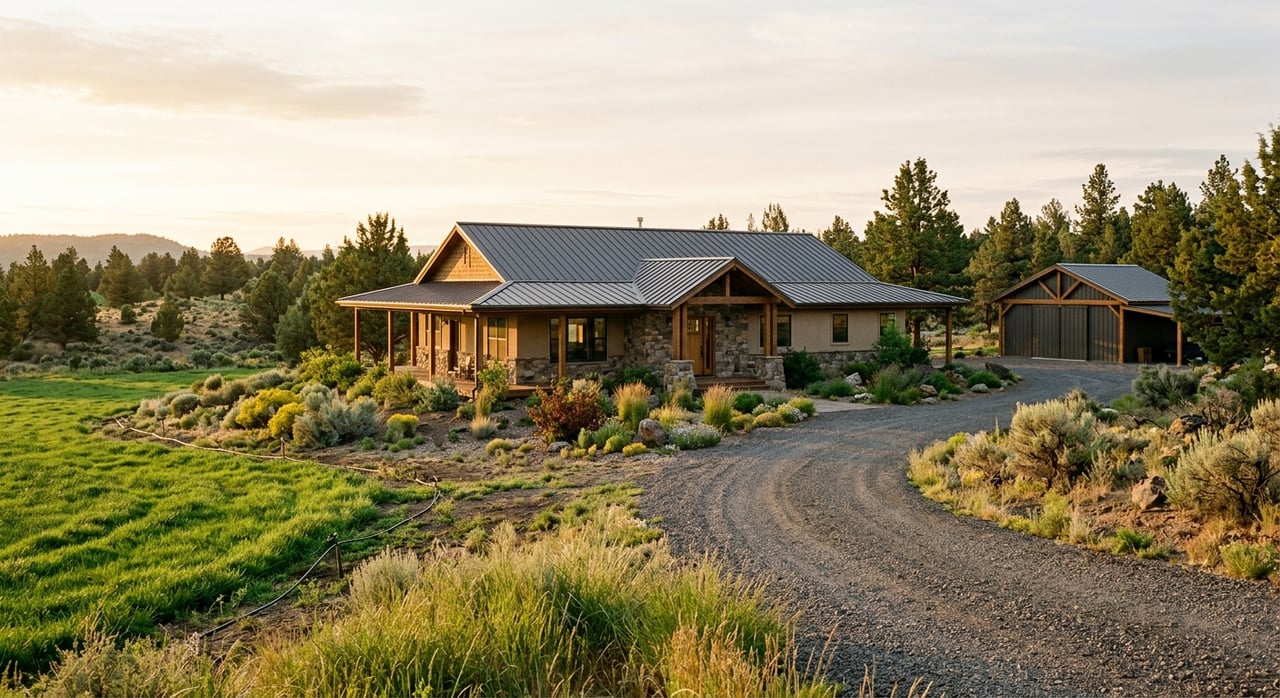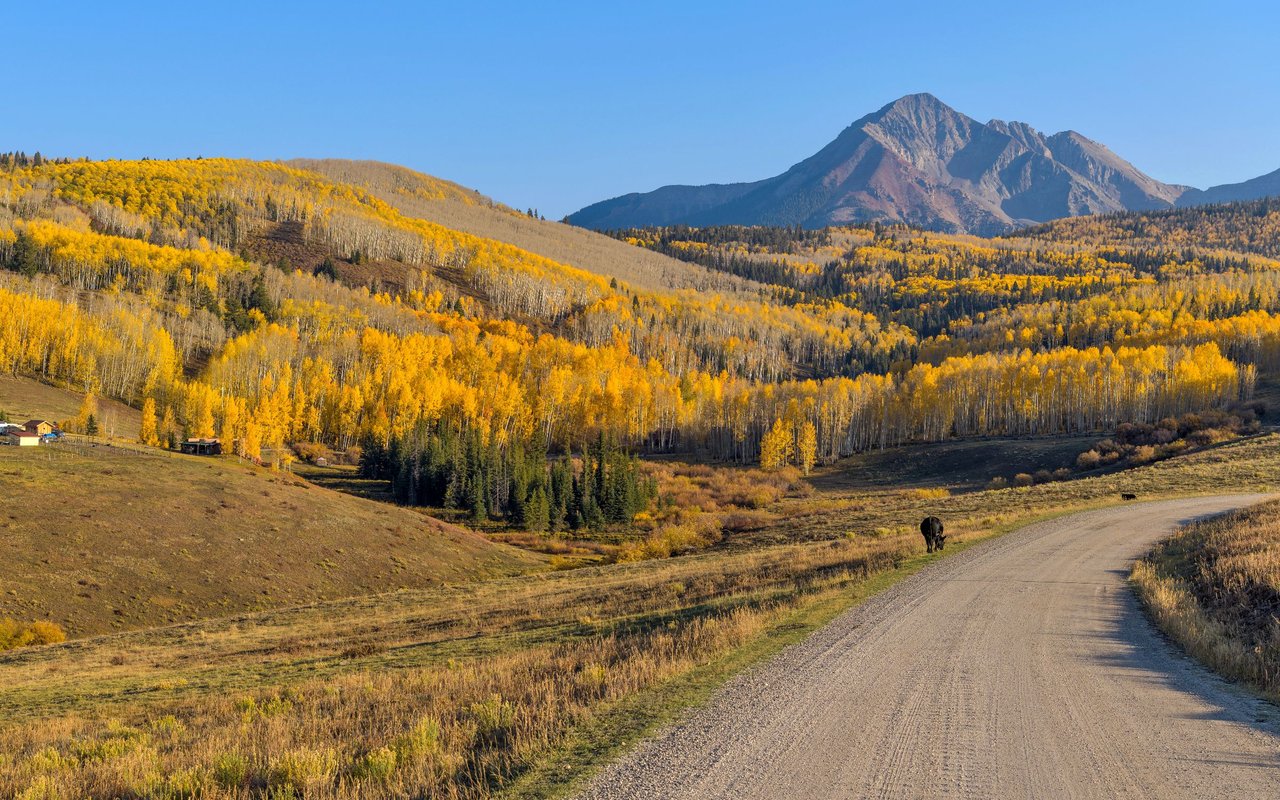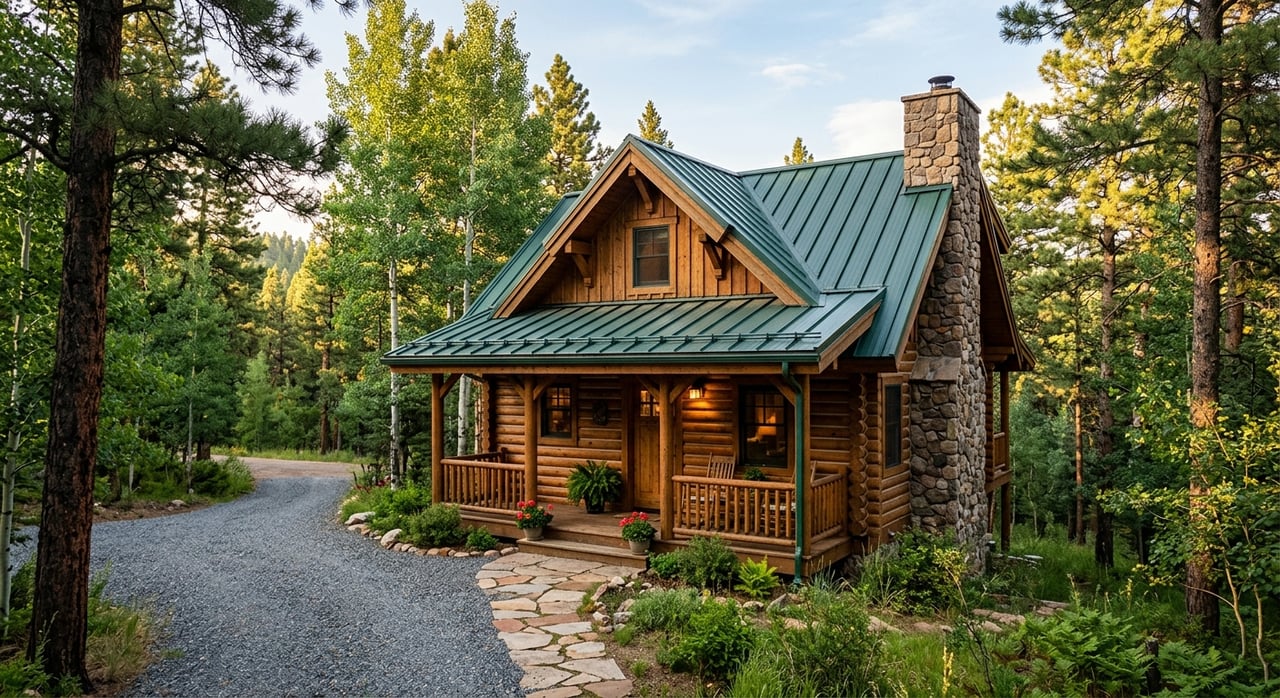
Looking at mountain ranch and cabin properties around Collbran can feel exciting and a little tricky at the same time. A parcel may offer stunning views, room to roam, and direct access to Western Colorado recreation, but the real question is how that land will actually live for you through every season. If you are comparing a working ranch, a rural homestead, or a cabin tract near public land, this guide will help you focus on the details that matter most. Let’s dive in.
Why Collbran Properties Need a Different Lens
Collbran sits in Plateau Valley in eastern Mesa County, between Battlement Mesa and Grand Mesa. Local planning materials describe the area as semiarid, with about 13 inches of annual precipitation in Collbran and roughly 20 to 40 inches on the higher mesas. Snowpack often begins in late October, and snowmelt can continue into early July.
That climate shapes how land functions. In this area, elevation, snow exposure, and runoff timing are not small details. They can affect access, pasture use, road conditions, and how often you can enjoy or work the property.
Collbran also has a strong rural identity. Current local planning emphasizes preserving agricultural land and maintaining rural character while allowing for new development. That means buyers are often choosing between land that serves different purposes, not just different price points.
Property Types Around Collbran
A helpful way to think about Collbran-area listings is to sort them by intended use. In practical terms, many buyers are comparing working ranch and hay ground, rural-acreage homesites, and mountain-edge cabin or recreational tracts. Mesa County’s rural zoning framework supports this kind of distinction by accounting for agriculture, forestry, low-density housing, and terrain or service limits.
Working Ranch and Hay Ground
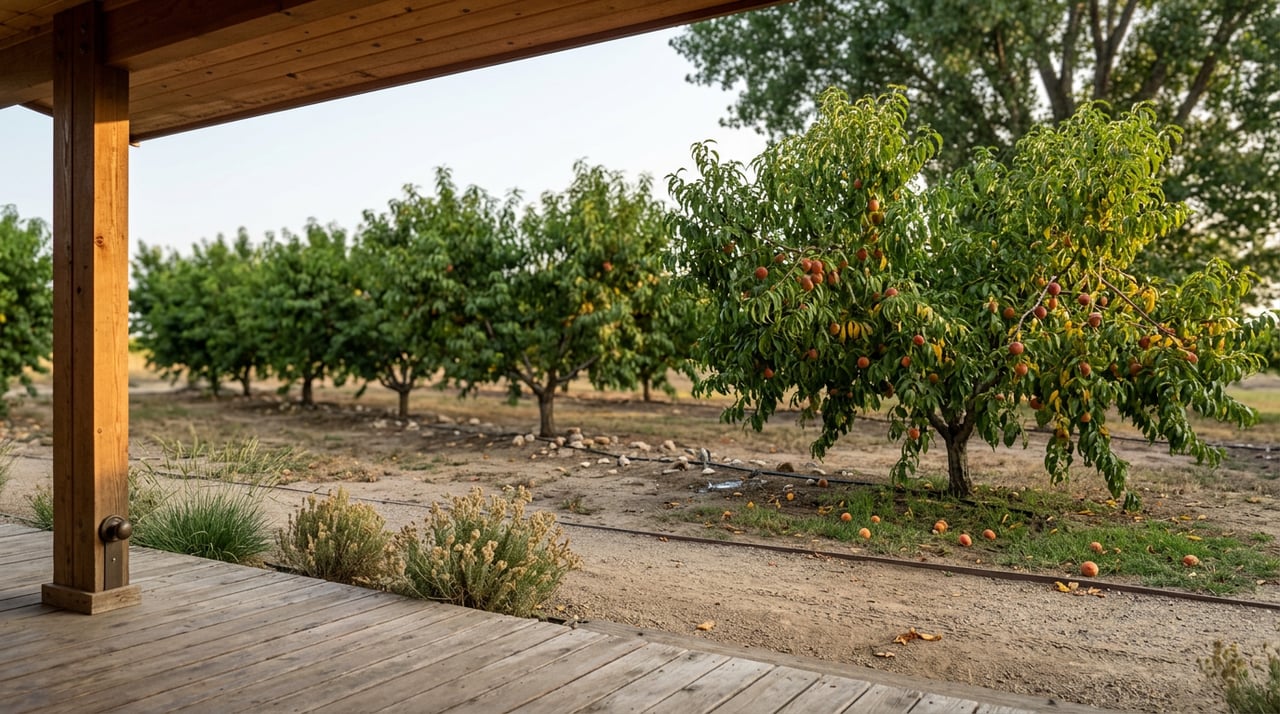
These properties are usually valued for day-to-day function. If you want pasture, hay production, livestock use, or room for rural operations, lower valley parcels may offer more straightforward access and more consistent utility. In many cases, the beauty of the property matters, but the function matters more.
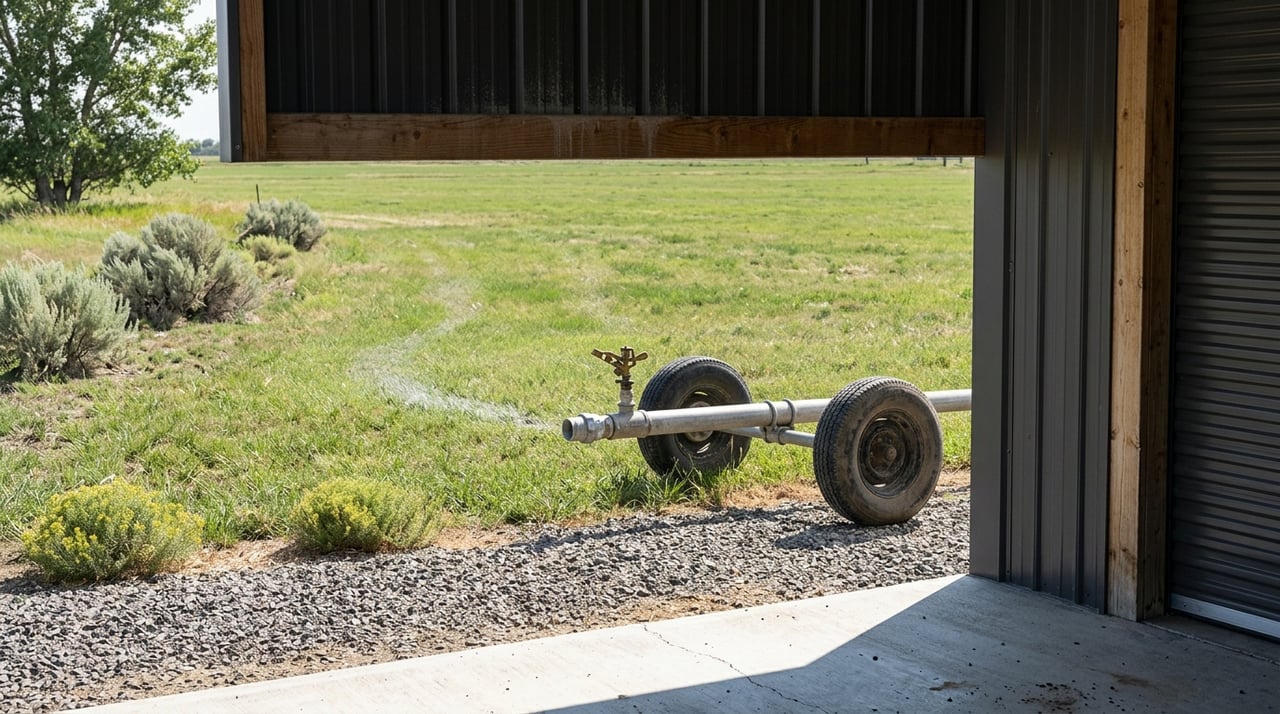
With these properties, you will want to look closely at water delivery, irrigation infrastructure, and realistic land productivity. Acreage alone does not tell you how useful the ground is.
Rural-Acreage Homesteads
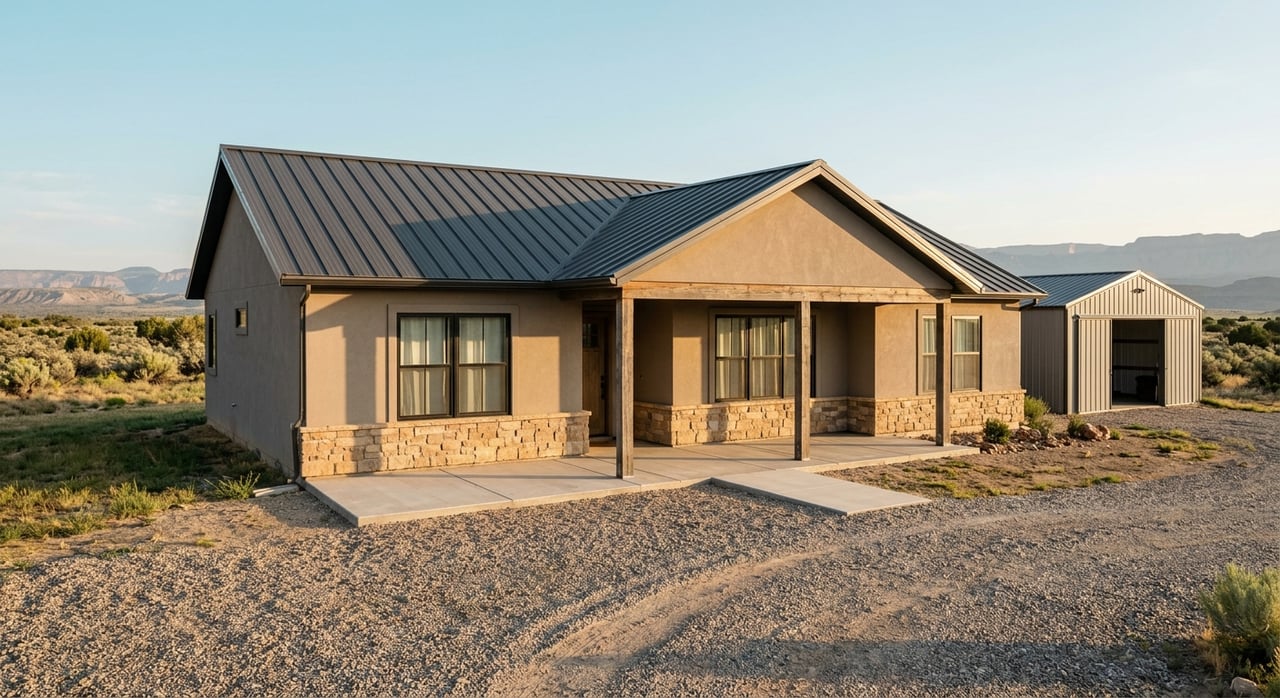
These properties often appeal to buyers who want privacy, open space, and a more land-based lifestyle without needing a full-scale ranch. They can offer a strong middle ground between town living and agricultural use. Still, the same practical questions apply, especially around access, snow, and water.
If you are moving from a more suburban setup, this property type can feel like the right fit. It gives you breathing room, but it also asks you to think differently about roads, maintenance, and seasonal changes.
Cabin and Recreational Tracts
Mountain-edge parcels and cabins near the Grand Mesa and the broader GMUG National Forest system are often a different product entirely. The area supports hiking, horse riding, camping, fishing, OHV use, scenic drives, winter sports, and cabin recreation, with more than 3,500 miles of trails and routes in the system. That kind of access can be a major draw.
But a recreational tract should not be judged by the same standard as valley-floor acreage. One may be ideal for seasonal enjoyment and public land access, while the other may be better suited for regular commuting, grazing, or year-round use.
Access Can Change the Whole Value Picture
In the Collbran area, access is part of the property, not just the drive to it. Seasonal road conditions can have a big effect on whether a parcel works for your plans. This is especially true for cabins and recreational land closer to forest roads or higher elevations.
The Forest Service notes that many GMUG roads close during muddy spring conditions to protect roads, wildlife, and water quality. It also reported temporary closure orders on selected Mesa County forest roads through April 1, 2026. That means a road that looks open and simple in one season may not function the same way in another.
Mesa County also warns that many rural roads appear public even when they are private. For buyers, that is a reminder to verify maintenance responsibility, gate access, snowplowing, easements, and whether a route is truly usable year-round.
Access Questions Worth Asking
- Is the road county-maintained, privately maintained, or seasonal forest access?
- Is winter access realistic for your intended use?
- Are there gates, easements, or shared-road agreements that affect entry?
- Who handles snow removal and road maintenance?
- Does the route depend on a road segment with seasonal restrictions?
Water Matters More Than Acre Count
One of the biggest mistakes buyers make with rural property is assuming more acres automatically means more value or utility. Around Collbran, water can be just as important as the land itself. That is especially true if you are looking at pasture, hay ground, or any property with agricultural potential.
Colorado’s agricultural classification rules state that land may qualify as agricultural if it is used as a farm or ranch, meets certain forest or conservation criteria, or if a farm or ranch uses a decreed water right or final groundwater permit for agricultural production. The state also notes that assessors may request grazing leases or an on-site inspection.
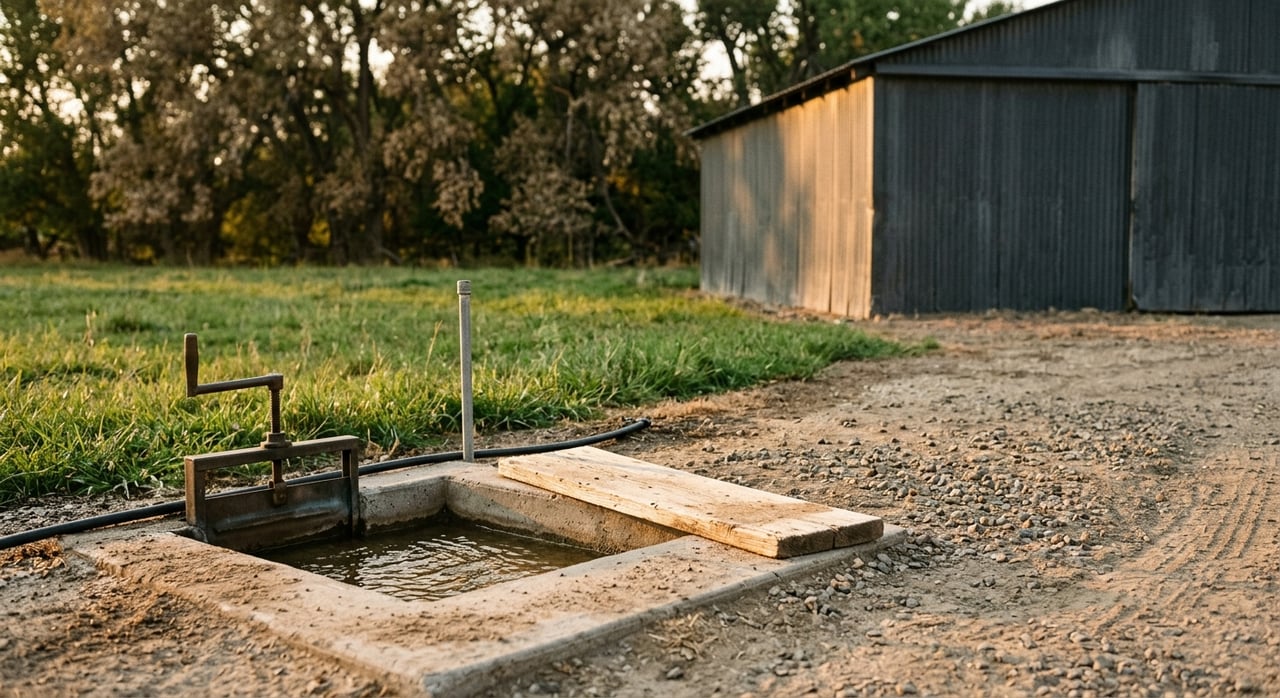
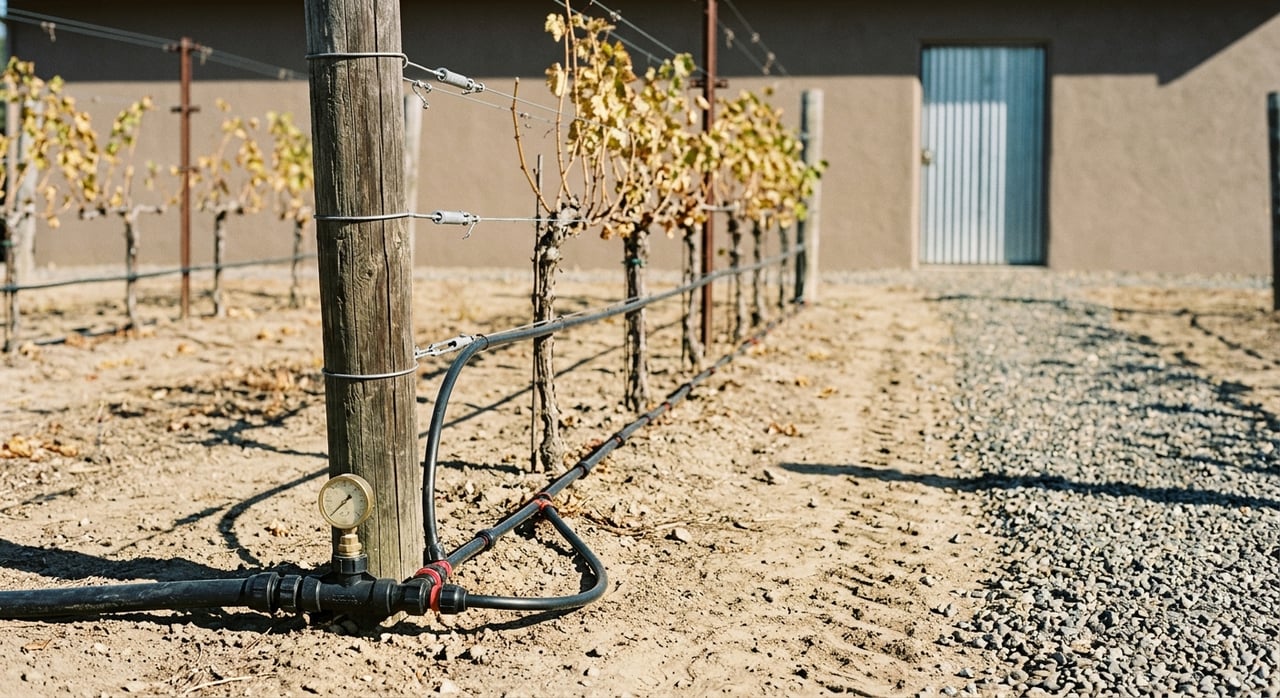
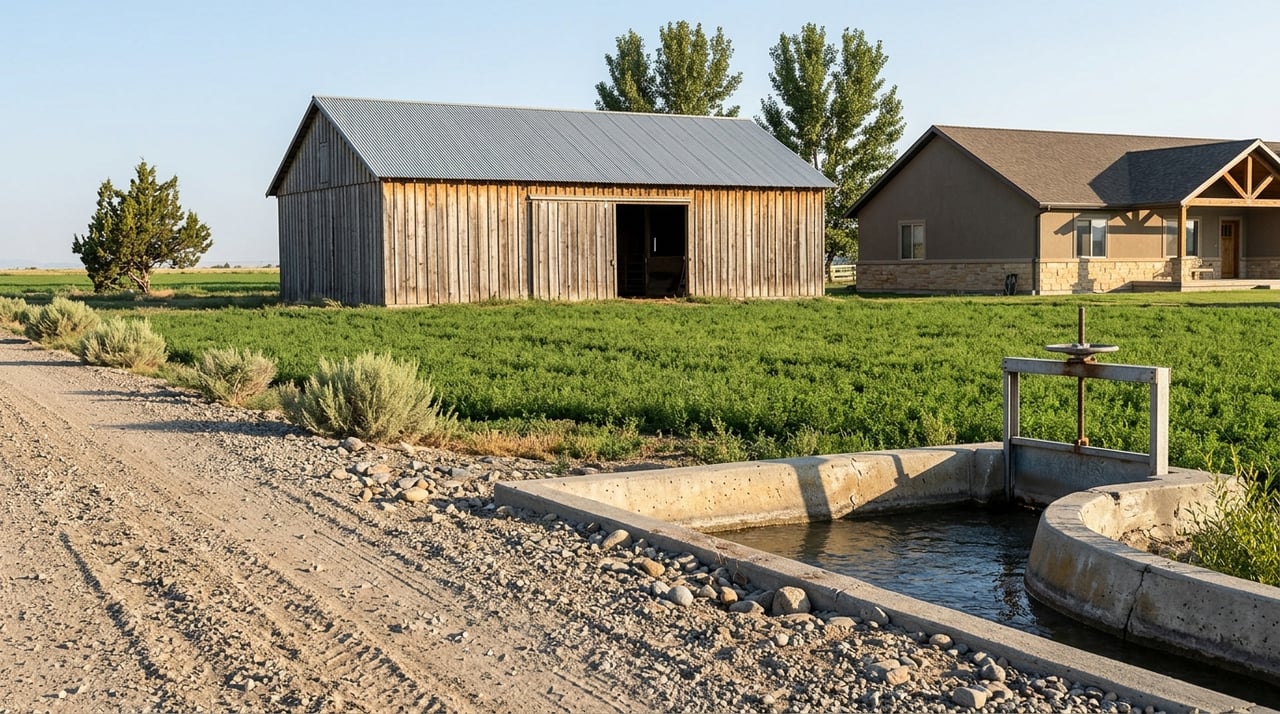
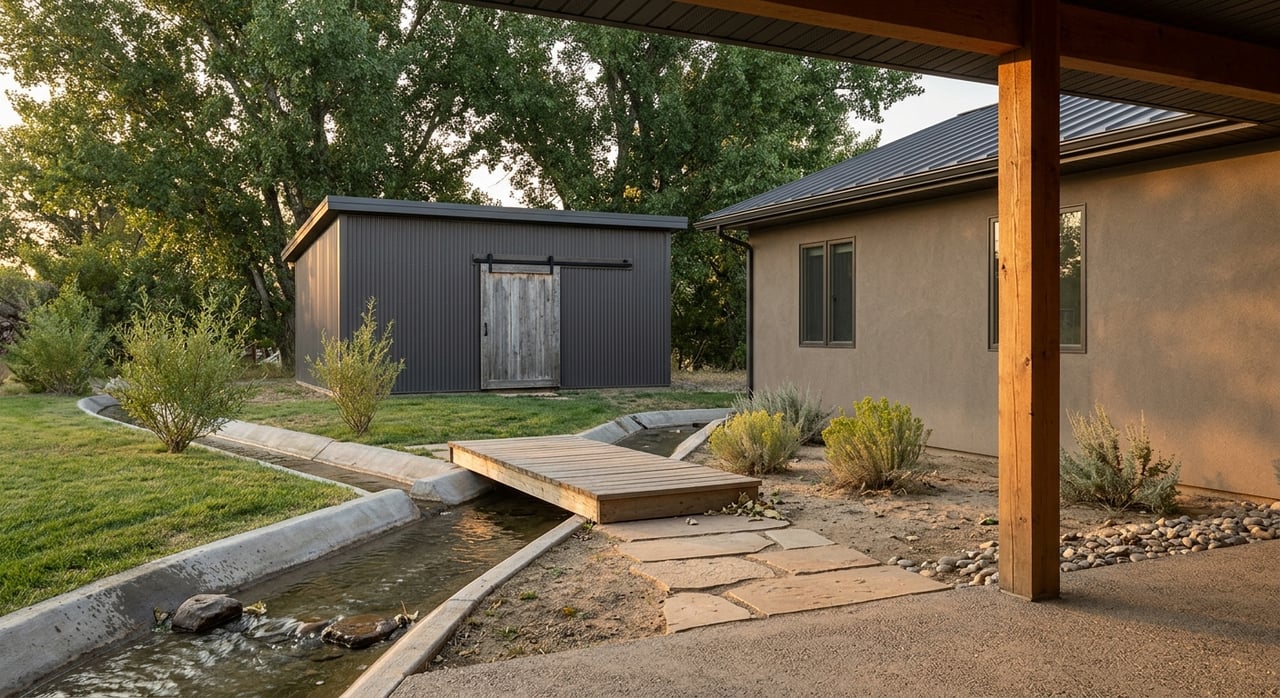
Mesa County’s rural water guidance adds another important layer. Irrigation ditches, pipes, easements, and rights-of-way are legal access corridors, and canals are privately owned by irrigation entities. In practical terms, that means you should understand not only whether water rights or ditch shares exist, but also how water is actually delivered to the ground.
Water Items to Review
- Whether the property includes a decreed water right or ditch share
- Where ditches, pipes, or irrigation easements run
- Whether water delivery is active and usable for the land’s intended purpose
- Any maintenance duties tied to ditches or irrigation access
- How water availability supports pasture or hay production in real conditions
Pasture at Elevation Works Differently
If you are shopping for grazing land near Collbran, elevation changes the conversation. Colorado State University Extension notes that mountain ranges are dominated by grasses that grow best below 75 degrees Fahrenheit. It also explains that spring moisture and slow snowmelt are critical, with forage growth slowing by early July at the highest elevations and by late June around 6,500 to 8,500 feet.
That means a larger high-country parcel may still have a shorter grazing window than a lower parcel with better moisture or irrigation. Land can look expansive on paper and still perform modestly if the forage season is short. For buyers, this is a reminder to look beyond maps and ask how the ground actually produces.
Hazards Are Part of Ownership Planning
Mountain property can be rewarding, but it also comes with conditions you should plan for. Mesa County’s hazard profile rates wildfire and winter storm as high hazards in the Collbran area. Flood, avalanche, landslide or rockfall, and lightning are also part of the local risk picture.
This does not mean mountain property is a bad fit. It means your evaluation should include defensible space, emergency access, snow management, and how the property handles seasonal weather. These details are part of ownership, not just part of inspection.
Practical Risk Checks
- Ask about wildfire mitigation already in place
- Review driveway and emergency access during snow season
- Look at slope, drainage, and runoff patterns
- Consider how winter storms may affect regular use
- Match the property’s setting to your comfort with seasonal maintenance
How to Match the Property to Your Goals
The best Collbran property for you depends on what you want the land to do. A cabin tract near public land may be a great fit for hunting, summer use, or snow-based recreation. A lower valley parcel may be more practical for livestock, hay, easier access, or more regular year-round use.
This is where a clear framework helps. Instead of asking only whether a property is scenic, ask whether it supports your lifestyle, your schedule, and your long-term plans. In this market, fit matters as much as setting.
A Smart Buyer Checklist for Collbran
Before you move forward on a mountain ranch, cabin, or acreage property around Collbran, focus on a few core questions:
- What is the intended use of the property?
- How reliable is year-round access?
- Is there a real water right, ditch share, or usable irrigation setup?
- How many months of forage production are realistic?
- What seasonal road, snow, or hazard conditions could affect ownership?
- Does the parcel function more like a recreation property or an operational landholding?
When you answer those questions early, you make a better decision. You also avoid comparing very different property types as if they should perform the same way.
If you are considering mountain ranch and cabin properties around Collbran, it helps to work with someone who understands how land lives and works in Western Colorado. The right guidance can bring clarity to water, access, usability, and the practical side of rural ownership. When you are ready to talk through your goals, connect with Sorrel Properties.
FAQs
What makes Collbran properties different from other Mesa County acreage?
- Collbran-area properties are shaped heavily by elevation, snow exposure, runoff timing, and rural land-use patterns, which can affect access, pasture use, and seasonal usability.
What should buyers know about access for cabin properties around Collbran?
- Buyers should verify whether access is county-maintained, privately maintained, or seasonal forest access, and confirm gate status, snow removal, and any road closure issues.
Why is water so important when buying ranch land near Collbran?
- Water rights, ditch shares, and actual irrigation delivery can directly affect how useful the land is for pasture, hay, or agricultural use, sometimes more than the total acre count.
How does elevation affect pasture and grazing near Collbran?
- Higher-elevation pasture often has a shorter forage season because growth depends on spring moisture, slow snowmelt, and cooler temperatures, with production slowing by late June or early July in many areas.
Are mountain properties around Collbran good for year-round living?
- Some can be, but buyers should look closely at winter access, snow management, road maintenance, and hazard exposure before assuming a property will function well in every season.
What hazards should buyers consider for mountain ranch and cabin properties near Collbran?
- Mesa County identifies wildfire and winter storm as high hazards in the area, with flood, avalanche, landslide or rockfall, and lightning also present.